
Companion Plants
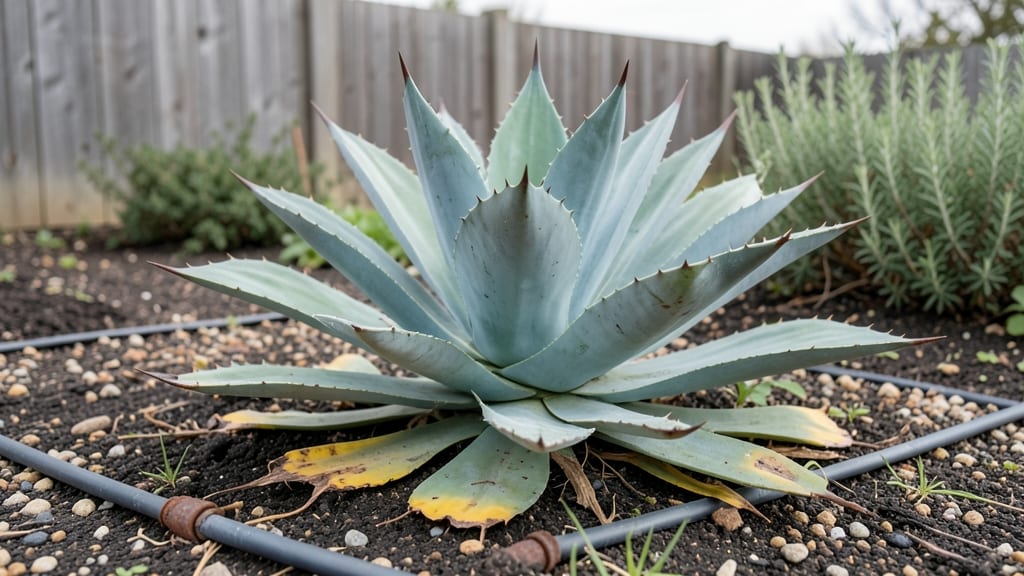
Hot climate plants don't just survive—they flourish with the right choices. 🌵 I learned this the hard way after watching my first batch of shade-loving plants wilt under 110-degree sun, but these drought-resistant varieties turn heat into their superpower.
The secret isn't complicated: match plants to their natural habitats, prep the soil right, and water smarter than you think.
Start with native desert species like yuccas and agaves—they've evolved to handle extreme heat and neglect. Succulents like sedum and echeveria store water in their leaves, while bougainvillea thrives on heat and blooms like crazy with minimal care.
Even your soil matters: amend with coarse sand or gravel to improve drainage, and mulch heavily to keep roots cool.
You'll end up with a garden that stays lush even when summer turns brutal. The air smells fresher, the colors pop brighter, and you spend less time fussing over watering schedules.
These plants reward patience with vibrant blooms, silvery foliage, and that satisfying "I didn't have to do much" feeling every gardener craves.
Works in full sun zones from Arizona to Texas, with adjustments for coastal heat or high desert conditions. The same principles apply whether you're planting a full desert landscape or just adding heat-tolerant containers to your patio. Let's get those roots established!
📚 In This Guide
- What you need
- Instructions
- Tips and common mistakes
- Wrapping up and next steps
What you need
- ● Drought-resistant plants (5–10 varieties) – Choose from agave, yucca, lavender, bougainvillea, cacti, or succulents like Aloe vera or Sedum. Aim for 3–5 mature plants per variety for full coverage.
- ● Well-draining soil mix (50–100 sq. ft. coverage) – Use a blend of cactus/succulent soil (60%), perlite or pumice (20%), and compost (20%) to prevent root rot.
- ● Mulch (organic or inorganic, 2–3 inches thick) – Options: gravel, crushed stone, or wood chips (avoid organic mulch in extreme heat). Cover 100% of soil surface.
- ● Drip irrigation system or soaker hoses – Install 1/4-inch tubing with emitters spaced 12–18 inches apart for efficient watering.
- ○ Container pots (optional, 1–3 gallon size) – Use terracotta or fabric pots for mobility and better drainage (1 pot per small plant).
- ● Garden gloves – Heavy-duty, heat-resistant pair to protect hands.
- ● Hand trowel & pruning shears – Stainless steel for durability.
- ● Shovel or spade – For digging holes (12–18 inches deep for most plants).
- ○ Wheelbarrow (optional) – For hauling soil or mulch (1–2 cubic feet capacity).
- ● pH testing kit – Ensure soil pH is 6.0–7.0 (most drought-resistant plants prefer neutral soil).
- ● Sun protection (hat, sunglasses, sunscreen) – Working outdoors in heat? Stay safe!
- ● 💡 Test soil moisture before watering—stick your finger 2 inches into the soil. If dry, it’s time to water!
- ● 🌡️ Water deeply but infrequently—aim for 1–2 inches per week (adjust for rain).
- ● ✨ Group plants by water needs—cluster high-thirst plants (like bougainvillea) together for efficiency.
How to select and plant drought-resistant plants for hot climates
Let’s focus on the hardiest, sun-loving plants that thrive with minimal fuss.
🌱 Step 1: Choose the Right Plants for Your Climate
Start with native or adapted species like agave, yucca, lavender, aloe, or bougainvillea—these handle heat and dry spells like pros. I always check the USDA Hardiness Zone map for my area to confirm suitability. For example, aloe vera thrives in Zones 8-11, while yucca does well in Zones 4-10.
Look for plants labeled "drought-tolerant" or "xeric" on nursery tags. These terms mean they store water efficiently and need less frequent watering. Avoid anything with thick foliage or glossy leaves—those often signal moisture-loving plants that’ll wilt fast in heat.
☀️ Step 2: Prepare the Soil for Water Retention
Hot climates mean soil dries out fast, so amend it with 3-4 inches of organic mulch (like shredded bark or compost) to lock in moisture. I mix in 1-2 inches of coarse sand or perlite to improve drainage—this prevents roots from sitting in soggy soil during rare rainstorms.
Test your soil’s drainage by digging a 6-inch hole, filling it with water, and timing how long it takes to drain. If it holds water for more than 30 minutes, add more sand or gravel to the mix. Sandy or rocky soils? Skip the sand and focus on mulch—it’s the best way to keep roots cool.
🪴 Step 3: Plant at the Right Depth and Spacing
Dig holes twice as wide as the plant’s root ball but only as deep as the container it came in. Planting too deep suffocates roots, while shallow holes let them dry out too fast. Gently loosen the root ball if it’s tightly packed—this encourages roots to spread into the surrounding soil.
Space plants according to their mature size: 18-24 inches apart for shrubs like lavender, 3-4 feet apart for succulents like agave. Overcrowding means competition for water, and in heat, that’s a recipe for stress. Group plants with similar water needs together—this makes irrigation easier and more efficient.
💧 Step 4: Water Deeply but Infrequently
Water once a week (or less) but soak the soil to a depth of 12-18 inches each time. I use a soaker hose or drip irrigation to deliver water slowly at the base—this prevents evaporation and fungal issues. Water in the early morning to let foliage dry before nightfall, reducing disease risk.
Check moisture by sticking your finger 2 inches into the soil. If it feels dry, water again. If it’s still damp, wait another day. Overwatering in heat is just as damaging as underwatering—it drowns roots and invites pests. Mulch helps here by shading the soil and slowing evaporation.
✂️ Step 5: Prune and Maintain for Longevity
Prune dead or damaged branches in late winter or early spring to encourage new growth. For succulents like agave, remove any yellowing or dried-out leaves immediately—they draw moisture from healthy parts. I use sterilized pruners to avoid spreading disease, and I always prune just above a leaf node or growth point.
Fertilize lightly once in early spring with a balanced, slow-release fertilizer (like 10-10-10). Too much nitrogen in heat stresses plants, so I halve the recommended dose. Focus on mulching and watering—these do more for drought-resistant plants than frequent feedings ever will.
Tips & tricks for perfect hot climate plant selection
Here's what I've learned after years of gardening in scorching conditions—these tricks will help your drought-resistant plants thrive like they're in a desert spa.
The Plant Selection Game-Changer: Don't just pick any drought-tolerant plant—look for those with silvery-blue or gray-green foliage like lavender or thick, waxy leaves like aloe. These features actually reflect sunlight and reduce water loss. I always check for plants with deep root systems too, as they can access moisture deeper underground during dry spells.
Soil Prep Secret: That 30-minute drainage test in Step 2 is crucial—if your soil drains too slowly, mix in pumice or lava rock instead of sand for better long-term moisture control. For rocky soils, create raised beds with a mix of 50% native soil, 30% compost, and 20% perlite to improve water retention while preventing compaction.
Planting Depth Rescue Strategy: If you accidentally plant too deep (which I've done more times than I'd admit), don't panic. For succulents like agave, gently remove the plant and replant at the correct depth. For woody plants, you can actually leave them slightly deeper—they'll adapt better to heat stress. Just make sure the soil line on the stem is visible above ground.
Watering Wisdom: The 12-18 inch deep watering in Step 4 works wonders, but here's the pro move: use a moisture meter to verify you're reaching that depth. I've seen many gardeners water for the full time only to find the moisture didn't penetrate deep enough. For container plants, water until it runs out the drainage holes—this ensures complete saturation.
Pro Tips for Hot Climate Plants
- Here's what I've learned after years of gardening in scorching conditions—these tricks will help your drought-resistant plants thrive like they're in a desert spa.
- The Plant Selection Game-Changer: Don't just pick any drought-tolerant plant—look for those with silvery-blue or gray-green foliage like lavender or thick, waxy leaves like aloe.
- Soil Prep Secret: That 30-minute drainage test in Step 2 is crucial—if your soil drains too slowly, mix in pumice or lava rock instead of sand for better long-term moisture control.
Frequently asked questions
Got questions about thriving plants in hot climates? You’re not alone!
Here are some of the most common queries—and their easy, expert-backed answers—to help you garden like a pro, even when the sun is blazing.
Which plants survive the hottest, driest conditions?
Look for succulents (like agave or prickly pear), cacti, and drought-tolerant perennials such as lavender, Russian sage, or yucca. These bad boys store water efficiently and thrive in 100°F+ temps with minimal fuss. Pro tip: Mulch heavily to lock in moisture!
When is the best time to plant in extreme heat?
Plant in early spring or late summer (just before fall) to avoid peak heat stress. If you must plant mid-summer, do it at dusk and water deeply right after. Avoid transplanting during 10 AM–4 PM—roots burn faster than you’d think!
How often should I water drought-resistant plants?
Most hot-climate plants prefer deep, infrequent watering (every 7–14 days, depending on heat). Let soil dry completely between waterings—overwatering is a common killer! Morning watering reduces evaporation, and drip irrigation is your best friend.
What if my plants look wilted or stressed?
Wilting can mean root shock, underwatering, or sunburn. First, check soil moisture—if dry, water deeply. If leaves are yellow or crispy, it’s likely sun damage. Move potted plants to partial shade for a few days and trim damaged foliage. Most bounce back with TLC!
Are there any low-maintenance alternatives to cacti?
Try sedum (stonecrop), ice plant, or blanket flower—they’re zero-fuss, colorful, and bloom like crazy with almost no water. For shade lovers, elephant ear or snake plant handle heat surprisingly well. Bonus: No pruning required!
Wrapping up and next steps
Transforming your garden into a vibrant oasis in hot climates is totally doable—especially with the right drought-resistant plants! 🌵 From low-maintenance succulents to hardy herbs, these picks not only survive but thrive under the sun.
Whether you’re a beginner or a seasoned gardener, every green thumb can make a difference with these resilient companions.
Ready to take the next step? Start small—pick one or two plants from our list, test your soil, and give them a try! Soon, you’ll be reaping the rewards of a low-water, high-impact garden that’s as beautiful as it is sustainable. Happy planting! 🌿