
Companion Plants
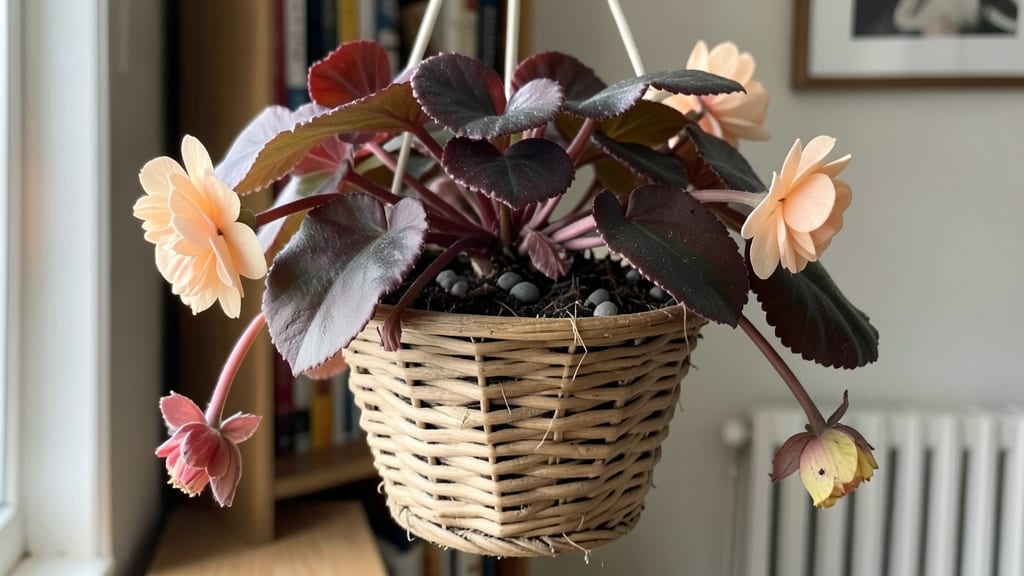
Nothing beats the sight of begonia basket plants cascading with vibrant blooms all season long. 🌸 I learned the hard way that not all begonias thrive in baskets—until I found the wax and angel wing varieties that practically beg to be grown this way.
Their trailing habit and nonstop flowers make them perfect for patios, porches, or anywhere you want instant curb appeal.
The secret starts with the right mix: lightweight potting soil blended with perlite to keep roots happy without waterlogging. A 12-inch basket gives enough room for roots to spread while keeping the plant manageable.
Choose a spot with morning sun and afternoon shade—begonias hate scorching heat but need enough light to bloom reliably. Water from the bottom to avoid soggy soil, and always use room-temperature water to prevent shock.
With proper care, your begonias will reward you with nonstop blooms from spring through fall—and sometimes even winter in mild climates. The key is pruning spent flowers to encourage new growth and fertilizing every 4-6 weeks with a balanced liquid feed.
Pollinators like bees and butterflies will flock to the bright blooms, turning your basket into a tiny ecosystem. Just watch for slugs and powdery mildew, which love the humid basket environment.
This setup works for beginner gardeners and experienced growers alike—just remember, begonias in baskets need more frequent watering than in-ground plants. Once you master the basics, you can experiment with color combinations and even overwinter them indoors. Let’s get those baskets blooming!
📚 In This Guide
- What you need
- Instructions
- Tips and common mistakes
- Wrapping up and next steps
What you need
- ● Begonia plants: 3–5 fibrous-rooted begonias (e.g., Begonia boliviensis or Begonia socotrana) for a lush, cascading look.
- ○ 1–2 tuberous begonias (e.g., Begonia × tuberhybrida) for vibrant blooms (optional but recommended for color).
- ● Hanging basket: 1 12–18-inch diameter basket with drainage holes (plastic, ceramic, or coconut fiber).
- ● Growing medium: 1 1-quart bag of peat-based or coco coir potting mix (well-draining and slightly acidic, pH 5.5–6.5).
- ● ½ cup perlite or orchid bark (for aeration).
- ● Tools: 1 pair of clean pruning shears or scissors.
- ● 1 spoon or small trowel for planting.
- ● 1 watering can with a fine rose (to avoid disturbing soil).
- ● Companion plants: Add 1–2 trailing plants like fuchsias or sweet potato vine for texture.
- ● Slow-release fertilizer: 1 2–3 month granular fertilizer (e.g., 10-10-10) to feed begonias.
- ● Moss or sphagnum: Line the basket bottom for moisture retention (great for humid climates!).
- ● Decorative elements: Ribbon, pebbles, or a saucer for a polished look.
How to create stunning begonia basket plants for year-round color
Here’s my foolproof method for cultivating lush, pollinator-friendly begonia baskets that bloom continuously.
🪴 Step 1: Select the Right Containers and Drainage
Choose 4 hanging baskets with 10-12 inch diameters—just the right size for begonia roots to spread without becoming top-heavy. Ensure each has multiple drainage holes (at least 3) to prevent root rot, which is the #1 killer of basket plants. I line the bottom with 1 inch of moss to filter debris while allowing water to pass freely.
If your baskets lack drainage, drill extra holes yourself—begonias despise soggy roots. A lightweight coconut fiber liner (if used) should have slits cut into it to prevent waterlogging. This step is non-negotiable: without proper drainage, even the hardiest begonia will decline within weeks.
🌱 Step 2: Layer Soil and Plant Begonia Tubers
Fill each basket one-third full with moistened potting mix, pressing lightly to eliminate air pockets. Begonias thrive in well-aerated soil—packing it too tightly restricts root growth. Next, place 2-3 tubers (depending on size) on top, spacing them 2-3 inches apart. Cover them with another 1-2 inches of potting mix, leaving the top ½ inch exposed—this ensures they won’t rot while still encouraging sprouting.
I like to water gently after planting to settle the soil around the tubers. Avoid soaking—begonias need consistently moist but never waterlogged conditions. If your tubers feel dry to the touch, add a light mist until the soil is evenly damp. This is the moment that matters: proper moisture balance now sets the stage for vigorous growth.
☀️ Step 3: Position for Optimal Light and Humidity
Place baskets in bright, indirect light—think east or west-facing windows or under 50% shade cloth outdoors. Begonias tolerate morning sun but will scorch in hot afternoon rays. If growing indoors, supplement with a grow light positioned 12-18 inches above the plants for 12-14 hours daily. You’ll know the light is right when leaves stay deep green (not yellow or pale).
Mist the foliage daily to maintain 60-70% humidity, especially in dry climates. A pebble tray with water beneath the baskets adds extra moisture without overwatering. Here’s the thing—begonias are tropical plants at heart. Low humidity leads to crispy edges and stunted blooms. I’ve seen baskets double their flower production just by adding a humidifier nearby.
💧 Step 4: Water and Fertilize for Continuous Blooms
Water when the top inch of soil feels dry—this usually means every 2-3 days in warm weather, but adjust based on your environment. Water from the bottom (by placing baskets in a saucer of water for 10 minutes) to encourage roots to spread evenly. Dumping water from above can dislodge tubers and cause rot. I always check the soil moisture by sliding a finger in—if it’s damp 1 inch down, wait another day.
Feed with a balanced liquid fertilizer (10-10-10) every 2 weeks during the growing season (spring through fall). Reduce to once a month in winter when growth slows. The key is consistency: begonias respond to regular feeding with bold, vibrant blooms that last for months. If you skip fertilizer, you’ll get leaves but few flowers—don’t skip this (I learned the hard way).
✂️ Step 5: Prune and Maintain for Year-Round Beauty
Deadhead spent blooms weekly to encourage new flowers. Simply pinch off the faded blossoms at the base with your fingers—no sharp tools needed. This simple habit extends the blooming season by 4-6 weeks. I also trim leggy stems back by ⅓ in early summer to promote bushier growth. Begonias are forgiving, but neglecting pruning leads to sparse, straggly plants.
In winter, reduce watering to once every 7-10 days and move baskets to a cool (55-65°F) but bright spot. Begonias go semi-dormant but stay alive with minimal care. Watch for yellowing leaves—this is normal in winter, but mushy stems mean you’re overwatering. With proper winter care, your baskets will burst back into bloom come spring.
Tips & tricks for perfect begonia basket plants
These game-changing tips will help you transform your begonia baskets from ordinary to extraordinary—with fewer common pitfalls along the way.
Drainage is Non-Negotiable: In Step 1, when selecting containers, prioritize baskets with at least 4 drainage holes (not just 3). I've seen begonia tubers rot within days when using baskets with insufficient drainage—trust me, it's a heartbreaking sight. If your baskets lack holes, drill them yourself using a 1/4-inch bit spaced evenly around the bottom. This prevents the #1 killer of begonia baskets: root rot.
Soil Aeration Matters More Than You Think: During Step 2, when layering your potting mix, resist the urge to pack it down tightly. Begonias need well-aerated soil to thrive—think "fluffy" rather than "compacted." I press the soil lightly with my fingers to eliminate air pockets, but I never tamp it down. You'll notice new shoots emerging faster and more vigorously when the roots aren't struggling for oxygen.
Light Positioning Secret: For Step 3, when placing your baskets, position them so they receive morning sun only—never hot afternoon rays. I've seen begonia leaves develop sunburn spots after just 2 hours of direct afternoon sun. If you must place baskets in south-facing windows, use a light sheer curtain to diffuse the intensity. The ideal spot is 3-5 feet from an east-facing window where they'll get gentle morning light all day.
Fertilizer Timing is Critical: In Step 4, when fertilizing, always apply your 10-10-10 liquid fertilizer to moist soil (not dry). I water the baskets first, then fertilize immediately after. This prevents fertilizer burn, which manifests as brown leaf edges. Also, remember that less is more—begonias are sensitive to over-fertilization, so always dilute your fertilizer to half-strength unless specified otherwise on the package.
Pro Tips for Begonia Basket Plants
- These game-changing tips will help you transform your begonia baskets from ordinary to extraordinary—with fewer common pitfalls along the way.
- Drainage is Non-Negotiable: In Step 1, when selecting containers, prioritize baskets with at least 4 drainage holes (not just 3).
- Soil Aeration Matters More Than You Think: During Step 2, when layering your potting mix, resist the urge to pack it down tightly.
Frequently asked questions
Got questions about growing begonia basket plants? You’re not alone! Here are some of the most common queries—plus quick answers to keep your hanging beauties thriving all year.
How often should I water my begonia basket plant?
Begonias love moisture but hate soggy roots! Water when the top inch of soil feels dry—usually every 2–3 days in summer and once a week in winter. Hang baskets in a saucer to catch excess water and prevent root rot. Pro tip: Mist leaves daily in dry climates to mimic humidity!
Can begonia basket plants survive winter outdoors?
Most begonia varieties are tender perennials and won’t survive frost. Bring baskets indoors before temps drop below 50°F (10°C). If you must overwinter outdoors, use a heated hanging basket or move to a sheltered porch. Bonus: Prune leggy growth in early spring to encourage bushier blooms!
Are begonia basket plants pollinator-friendly?
Their bright, tubular blooms attract bees, butterflies, and hummingbirds—especially angel-wing, rex, and wax begonia varieties. For extra pollinator power, pair with lavender or salvia in the same basket. Fun fact: Some begonias even have edible flowers (like Begonia semperflorens), though they’re not a primary food source.
Why are my begonia leaves turning yellow?
Yellow leaves usually signal overwatering or nutrient deficiency. Check for:
- Soggy soil: Let it dry out between waterings.
- Low light: Move to bright, indirect light (no harsh sun).
- Pests: Inspect for aphids or spider mites—spray with neem oil if needed.
What’s a good alternative if begonias don’t thrive in my climate?
If your zone is too hot/dry or cold, try these low-maintenance basket pals:
Plant
Why It Works
Impatiens
Thrives in shade; blooms nonstop (great for hummingbirds).
Fuchsia
Pollinator magnet; loves cool evenings (ideal for coastal areas).
Lobelia
Drought-tolerant once established; spiller plant for cascading baskets.
Wrapping up and next steps
Begonia basket plants bring vibrant color, easy care, and pollinator support to your garden year-round—whether you’re a seasoned gardener or just starting out! 🌸 Their trailing beauty and low-maintenance needs make them the perfect addition to hanging baskets, patios, or even indoor spaces.
With the right placement, soil, and a little TLC, you’ll enjoy blooms that attract bees and butterflies while adding life to any setting.
Ready to transform your space? Grab a basket, pick your favorite begonia variety, and get planting! Start small with one or two baskets, experiment with colors, and watch your garden thrive with these cheerful, pollinator-friendly stars. Happy gardening! 🌿✨