
Diseases
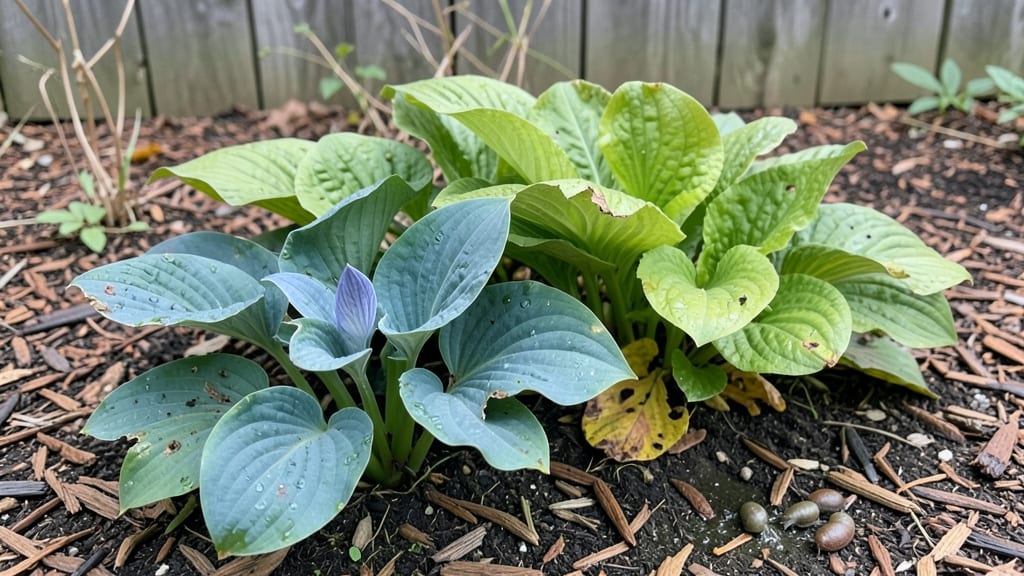
Hosta plants pests and diseases can turn your lush foliage into a chewed-up mess faster than you’d expect. 🌿 I’ve watched my own hostas go from velvety green giants to skeleton leaves in just a few nights—usually thanks to slugs or fungal infections.
The key to keeping them thriving isn’t just reacting when you see damage; it’s catching problems early before they spread.
Most issues start with moisture—whether from overwatering, shade, or rain. Slugs love damp leaves, while fungal diseases thrive in stagnant air. Deer might munch on your hostas like they’re salad, and aphids can turn foliage sticky overnight.
The good news? Once you recognize the signs—ragged edges, black spots, or chewed leaves—you can act fast with organic sprays, barriers, or cultural fixes.
By the end of this guide, you’ll spot trouble before it takes hold and know exactly how to stop it. We’re talking foolproof methods like copper tape for slugs, neem oil for fungal spots, and strategic planting to deter deer.
Your hostas will stay shockingly lush all season long—no more sad, ragged plants.
This works for backyard gardens, containers, or even those tricky shady spots where hostas really shine. Let’s get those plants back to their best before pests or diseases get the upper hand.
Root Causes Of Hosta Struggles
Hostas are beloved for their lush foliage and hardiness, but when pests and diseases strike, they can quickly turn your garden into a battleground. Understanding why these issues arise is the first step to prevention. Below, we break down the science—and the real-world factors—that make hostas vulnerable.
Hostas thrive in moist but well-draining soil. When water pools around their roots for too long, it creates the perfect conditions for fungal infections like leaf spot (Alternaria or Septoria) and root rot (Phytophthora). Here’s why it happens:
- Oxygen Deprivation: Roots need oxygen to respire. Waterlogged soil suffocates them, weakening the plant’s defenses. - Fungal Feast: Excess moisture encourages spores to germinate.
Fungi like Rhizoctonia and Botrytis multiply rapidly in damp, shaded conditions. - Soil Compaction: Heavy or clay-based soils trap water, worsening drainage issues.
Actionable Fix: Amend soil with compost or perlite, and ensure containers have drainage holes. Avoid watering at night to allow foliage to dry quickly.
Hostas adore shade, but too much of it—especially in humid climates—creates a pest and disease paradise. Here’s the breakdown:
- Slug And Snail Magnet: Dark, damp environments are ideal for these mollusks. They thrive in shaded, mulch-heavy beds where moisture lingers. - Fungal Spore Spread: High humidity (above 70%) slows evaporation, keeping fungal spores active longer.
Diseases like powdery mildew and bacterial leaf blight flourish. - Weakened Plant Stress: Low light reduces photosynthesis, making hostas more susceptible to attacks.
Actionable Fix: Space plants for airflow, use copper barriers for slugs, and prune foliage to improve circulation. If humidity is extreme, consider a fungicide spray (like neem oil) as a preventative.
Hostas are heavy feeders, but too much or too little of certain nutrients can trigger pest and disease outbreaks. Key culprits:
| Issue | Cause | Result |
|---|---|---|
| Nitrogen Overload | Excess fertilizer (especially high-N) | Soft, sappy leaves attract slugs and aphids. |
| Potassium Deficiency | Poor soil or leaching | Weakens cell walls, inviting fungal infections. |
| Magnesium Lack | Acidic or depleted soil | Yellowing leaves (chlorosis) stress plants, making them more vulnerable to pests. |
Actionable Fix: Test soil annually and balance fertilizers. A slow-release, organic option (like worm castings) supports steady growth without overfeeding.
Some pests target hostas because of their thick, tender leaves and high moisture content. Here’s how biology plays a role:
- Slugs And Snails: They’re drawn to hostas’ calcium-rich leaves (a dietary preference) and shaded, mulchy habitats. - Aphids And Spider Mites: Hostas’ sap-rich foliage is a buffet.
Warm, dry conditions (ironically, the opposite of fungal threats) trigger their populations to explode. - Japanese Beetles: These voracious chewers favor hostas because they’re easy to digest and often stressed from poor growing conditions.
Actionable Fix: Disrupt their life cycles—remove mulch from plant bases, use diatomaceous earth for slugs, and introduce beneficial predators (like ladybugs) for aphids.
Pests and diseases often strike during transitional seasons when hostas are adjusting to temperature or moisture changes:
- Spring: New growth is tender and nutrient-rich, attracting slugs, aphids, and fungal spores from winter-dormant soil.
- Fall: Cool, damp weather reactivates fungal spores and slugs seek shelter in mulch.
- Summer Heatwaves: Drought-stressed hostas produce bitter, damaged leaves, inviting Japanese beetles and leaf miners.
Actionable Fix: Monitor hostas closely in spring and fall, and water deeply but less frequently in summer to avoid stress.
Sometimes, well-meaning gardeners accelerate problems without realizing it. Common mistakes:
- Over-Mulching: Thick mulch layers traps moisture and blocks beneficial insects that prey on pests.
- Ignoring Dead Foliage: Leaving infected leaves (e.g., with powdery mildew) lets spores overwinter and reinfect next season.
- Using Contaminated Tools: Pruners or shovels can spread fungal diseases between plants.
Actionable Fix: Remove debris in fall, sterilize tools with rubbing alcohol, and mulch lightly (2–3 inches max).
Hostas don’t get sick or get munched randomly—they’re reacting to environmental stress, nutrient imbalances, or pest preferences. By addressing the root causes (literally and figuratively), you can prevent 80% of issues before they start. 🚀
Quick Fixes for Common Hosta Problems
When pests and diseases strike your hosta plants, acting fast is key to saving your garden’s star performers. Below, we’ve mapped out practical, step-by-step solutions for the most troublesome issues—plus prevention tips to keep your hostas thriving long-term. No complicated jargon, just easy-to-follow fixes that work.
Signs: Irregular holes in leaves, silvery slime trails (especially at dawn or after rain).
🔥 Immediate Fix: Trap & Remove
- Beer Traps: Bury a shallow dish (like a yogurt cup) filled with beer near hostas. Slugs crawl in and drown—no harm to plants! 🍺
- Copper Barriers: Wrap copper tape around pots or garden beds.
The mild electric shock repels slugs naturally. ⚡ 3. Handpick at Night: Use a flashlight after dark when slugs are most active. Drop them in soapy water (humane and effective).
🌡️ Long-Term Prevention
- Mulch Smartly: Use sharp-edged mulch (like cedar chips) to deter slugs—they hate crawling over rough surfaces.
- Remove Hiding Spots: Clear debris, boards, and dense foliage where slugs hide during the day.
- Encourage Predators: Attract birds, frogs, and ground beetles with a diverse garden ecosystem.
Signs: Sticky residue (aphids), yellowing leaves, fine webbing (mites), or curled leaves.
🍳 Organic Spray Solutions 1. Soapy Water Blast:
- Mix 1 tsp mild liquid soap + 1 quart water in a spray bottle.
- Directly spray both sides of leaves (aphids love the undersides!).
Repeat every 3–4 days until gone. 💦 2. Neem Oil Treatment: - Combine 1 tbsp neem oil + 1 tsp mild soap + 1 quart water. Spray early morning or late evening (avoid direct sun—it burns leaves). - Reapply after rain.
🎯 Mechanical Control
- Blast Them Off: Use a strong stream of water from a hose to knock aphids off leaves. Do this 2–3 times a week for heavy infestations.
- Introduce Ladybugs: Buy ladybug larvae from garden centers—they devour aphids like a buffet! 🐞
✨ Prevention Tips - Space Plants Well: Overcrowded hostas attract pests.
Aim for 18–24 inches between plants for airflow. - Inspect New Plants: Quarantine newly purchased hostas for 1–2 weeks before planting to catch hidden pests. - Reflective Mulch: Use white or silver mulch to disorient mites (they hate bright light).
Signs: Brown spots with yellow halos, mushy stems, or white powdery growth (powdery mildew).
🔪 Treatment Steps 1. Prune & Dispose:
- Cut off infected leaves/stems with sterilized scissors (wipe with rubbing alcohol between cuts).
- Do not compost infected plant material—bag and trash it to prevent spread. 🗑️ 2. Fungicide Spray:
- Baking Soda Spray: Mix 1 tsp baking soda + 1 quart water + a few drops of soap.
Spray every 7–10 days. - Copper Fungicide: Follow package instructions for preventative sprays (works well for blight).
💡 Prevention is Key
- Water Wisely: Water early in the day so leaves dry quickly.
Avoid overhead watering (use drip irrigation or soaker hoses). 💧 - Improve Airflow: Thin out dense foliage and space hostas properly to reduce humidity. - Rotate Plants: Avoid planting hostas in the same spot year after year (soil-borne fungi build up).
Signs: Wilting despite moist soil, soft black stems, or foul-smelling roots.
👨🍳 Emergency Care 1. Dig & Inspect:
- Gently dig up the plant and rinse roots with water.
- Trim mushy, black roots with clean shears. Healthy roots are firm and white.
- Repot in Fresh Soil: - Plant in a new pot with sterile potting mix (or amend garden soil with compost). - Ensure the container has drainage holes—no soggy bottoms!
🏡 Long-Term Fixes
- Raise Garden Beds: If in-ground, mound soil to improve drainage.
- Avoid Overwatering: Let the top 1–2 inches of soil dry out between waterings.
Use a moisture meter if unsure. - Solarize Soil: For severe cases, cover the area with clear plastic for 4–6 weeks in summer to kill fungi.
- Feed Right: Use a balanced fertilizer (10-10-10) in early spring to boost immunity.
- Mulch Properly: Use 2–3 inches of organic mulch (like shredded bark) to suppress weeds and retain moisture—but keep it away from the crown.
- Monitor Regularly: Check undersides of leaves and new growth weekly for early signs of trouble.
Remember: Most hosta problems are preventable with good hygiene, smart watering, and regular checks. Once you spot an issue, act fast—your hostas will thank you with lush, pest-free foliage for years! 🌿✨
Frequently asked questions
Why do slugs and snails love my hostas so much?
Hostas are like all-you-can-eat buffets for slugs and snails because their calcium-rich leaves and shaded, moist habitats create the perfect dining conditions. These pests thrive in damp, mulchy areas where hostas often grow, making them a prime target. The key is to disrupt their access with copper barriers or beer traps—they can’t resist the combination of shade and moisture!
How can I tell if my hosta has a fungal disease vs. pest damage?
Fungal diseases like powdery mildew or leaf spot show up as white powdery coatings or brown/yellow spots with irregular edges. Pest damage, however, often looks like ragged holes (slugs), tiny webs (spider mites), or sticky residue (aphids). Check the undersides of leaves—pests often hide there, while fungi spread across surfaces.
Is neem oil safe to use on hostas, and how often should I apply it?
Yes! Neem oil is a gentle but effective organic solution for both pests and fungal issues. Mix 1 tablespoon neem oil + 1 teaspoon mild soap + 1 quart water and spray every 7–10 days during active growing seasons (spring to fall). Always apply in the early morning or evening to avoid leaf burn from sunlight.
Can deer really ruin my hostas, and how do I stop them?
Deer love hostas—they’re soft, tender, and easy to munch. To deter them, try physical barriers like chicken wire (buried 6 inches deep), deer repellent sprays (with rotten eggs or predator urine), or planting deer-resistant companions like ferns or lavender nearby. A quick fix is also to hang soapy water-filled balloons—deer hate the noise and texture!
What’s the best way to prevent fungal diseases in my hostas long-term?
Focus on airflow and moisture control. Space plants 18–24 inches apart to reduce humidity, water early in the day so leaves dry quickly, and avoid overhead watering. Use drip irrigation or soaker hoses instead. In humid climates, a light fungicide spray (like baking soda mix) every 2–3 weeks can be a game-changer.