
Diseases
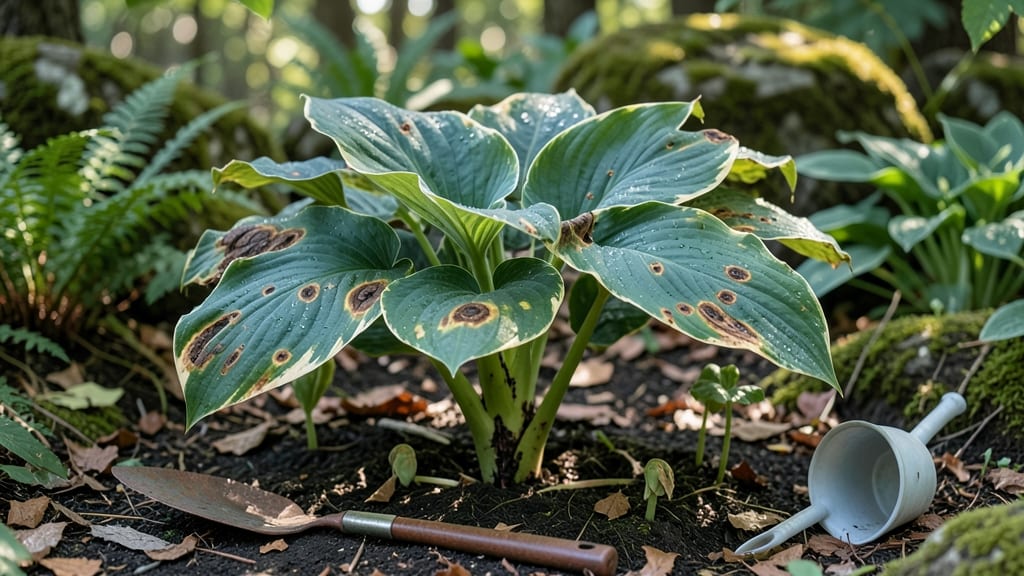
Hosta plant diseases can turn your lush foliage into a sad, spotted mess in weeks—unless you act fast. 🌱 I’ve seen healthy hostas go from vibrant green to brown and slimy in just a few hot, humid days, and the key to saving them is catching problems early.
The most common culprits are fungal infections like leaf spot and bacterial rot, but even viral issues can sneak in if you’re not careful.
Here’s the thing—most hosta diseases thrive in the same conditions your plants love: shade, moisture, and rich soil. That’s why prevention isn’t just about spraying; it’s about adjusting your care routine.
I’ll show you how to spot trouble early, treat it organically, and tweak your garden habits to keep your hostas thriving year after year. No more guessing what’s wrong or watching your plants waste away.
You’ll learn to recognize the telltale signs—like dark spots with yellow halos or mushy stems—and respond with fast, effective fixes that actually work. Within days, you’ll see the damage slow down, and with the right prevention, your hostas will stay bold, healthy, and disease-free for seasons to come.
Let’s get your plants back to their best.
This works for shady gardens, containers, or ground plantings, and I’ll cover when to call in a pro for stubborn cases. The goal? Hostas that look like they’re straight out of a nursery catalog—without the constant worry. Ready to tackle those fungal foes?
Root Causes Of Hosta Ailments
Hostas are beloved for their lush foliage and adaptability, but their susceptibility to diseases often stems from specific environmental and biological factors. Understanding these root causes is the first step in prevention and treatment. Let’s break down why these issues arise in the first place.
Hostas thrive in moist soil, but too much water creates the perfect breeding ground for fungal pathogens like Fusarium wilt and Phytophthora root rot.
Here’s why: - Standing water reduces oxygen in the soil, stressing roots and weakening the plant’s defenses. - Clay-heavy or compacted soil slows drainage, trapping excess moisture near the roots. - Fungal spores in damp conditions germinate quickly, infecting hostas through wounds or natural openings.
Actionable tip: 💡 Test your soil’s drainage by digging a 6-inch hole, filling it with water, and timing how long it takes to drain. If it’s slower than 4 hours, amend with compost or sand.
Fungal diseases like slime mold (Physarum polycephalum) and leaf spot (Alternaria or Septoria) flourish in humid, shady conditions—hostas’ ideal habitat.
Why does this happen? - High humidity (above 75%) keeps fungal spores active and infectious for longer. - Poor air circulation in dense hosta beds traps spores near leaves, increasing infection rates. - Older leaves with minor damage (from pests or weather) provide entry points for pathogens.
Pro tip: ✨ Space hostas 12–18 inches apart to improve airflow, and avoid overhead watering to keep foliage dry.
Insects like slugs, snails, and aphids don’t just eat hostas—they create wounds that invite disease.
Here’s how: - Chewing pests (slugs, earwigs) leave ragged edges on leaves, exposing tissue to fungal spores. - Sap-sucking insects (aphids, mites) stress plants by draining nutrients, making them more vulnerable to infections. - Viral vectors (like aphids transmitting Tobacco Ringspot Virus) can also compromise hosta health.
Quick fix: 🔥 Set up beer traps for slugs or use neem oil to deter pests before they cause damage.
Hostas are hardy, but extreme temperatures—whether too hot or too cold—disrupt their natural resistance.
Key triggers: - Late-spring frosts damage emerging leaves, creating entry points for Botrytis blight. - Summer heatwaves with sudden temperature swings stress plants, making them susceptible to powdery mildew. - Winter desiccation (dry, windy conditions) weakens roots, leaving them prone to Fusarium infections in spring.
Prevention hack: 🌡️ Mulch with 2–3 inches of organic material (like shredded bark) to regulate soil temperature and retain moisture.
Dense plantings and neglected garden hygiene create a disease hotspot.
How? - Tight spacing (less than 12 inches) reduces airflow, trapping moisture and spores. - Reusing contaminated soil or tools spreads pathogens like Rhizoctonia (which causes crown rot). - Dead plant debris (leaves, stems) harbors overwintering fungi, ready to reinfect in spring.
Cleanup tip: ⏰ Remove and destroy infected foliage immediately, and sterilize pruners with 70% isopropyl alcohol between cuts.
Quick Fixes for Hosta Ailments
When your hostas show signs of stress—whether it’s slimy leaves, rusty spots, or wilting foliage—acting fast is key. Below, we’ve mapped the most common hosta diseases to practical, step-by-step solutions, plus prevention tips to keep your plants thriving.
No green thumb? No problem. These fixes are simple, effective, and designed for gardeners of all levels.
Cause: Alternaria, Septoria, or Helminthosporium fungi thrive in damp, shady conditions.
How to Fix It:
- 🔥 Remove the Problem Snip off infected leaves with sterilized pruners (wipe with rubbing alcohol between cuts). Dispose of them in the trash—not the compost—since fungi can survive there.
- 🍳 Fungicide Spray (DIY or Store-Bought) - Baking Soda Spray: Mix 1 tsp baking soda + 1 quart water + a few drops of dish soap.
Spray undersides of leaves (where spores hide) every 7–10 days until new growth appears. - Neem Oil: For stubborn cases, use 1 tbsp neem oil + 1 tsp mild soap per quart of water. Spray in the early morning or evening to avoid burning leaves.
- 🌡️ Improve Airflow & Light
- Space hostas 12–18 inches apart to reduce humidity.
- Thin nearby plants or mulch to raise soil levels slightly, preventing water from pooling.
💡 Prevention Tip: Water at the base (not overhead) and avoid late-day watering (leaves stay wet overnight = fungal party).
Cause: Puccinia fungi spread via spores, especially in humid shade.
How to Fix It:
- 👨🍳 Prune & Destroy Infected Foliage Remove all rust-covered leaves immediately. Burn or trash them—do not compost.
- ⏰ Adjust Watering Habits
- Water early in the day so leaves dry by sunset.
- Use drip irrigation instead of sprinklers to keep foliage dry.
- ✨ Copper Fungicide (For Severe Cases) Apply a copper-based fungicide (like Bonide Copper Fungicide) every 2 weeks until rust disappears. Follow label instructions carefully.
💡 Prevention Tip: Plant hostas in partial shade (not deep shade) to reduce humidity. If rust recurs, consider resistant varieties like ‘Halcyon’ or ‘Francee’.
Cause: Fully biological but harmless—excess moisture triggers this slimy, grayish growth on leaves.
How to Fix It:
- 🔪 Scrape It Off Use a soft brush or damp cloth to wipe away the slime. It’ll return if conditions stay damp, but it won’t harm your plant.
- 🌧️ Reduce Moisture
- Water less frequently (hostas tolerate drought better than soggy soil).
- Add coarse mulch (like pine bark) to improve drainage.
💡 Prevention Tip: Avoid overhead watering and keep mulch 2–3 inches away from stems to prevent fungal slime buildup.
Cause: Phytophthora or Pythium fungi rot the crown in overly wet soil.
How to Fix It:
- 🔪 Dig It Up & Inspect Gently remove the hosta and trim away mushy, blackened tissue with sterilized tools. Healthy tissue should be firm and green.
- 🌱 Repot or Replant
- If the crown is mostly healthy, replant in well-draining soil (amend with perlite or sand).
- If severely rotted, propagate from healthy offsets (side shoots) instead of trying to save the parent plant.
- 🚫 Fix the Soil
- Raise the planting bed by adding compost or gravel underneath.
- Avoid waterlogging—ensure pots have drainage holes or plant on a slope.
💡 Prevention Tip: Never let hostas sit in saucers of water—empty them after watering. In containers, use terracotta pots (they dry faster than plastic).
To prevent future problems, follow this quick checklist:
- 🌡️ Water wisely: Deep but infrequent watering (1–2 inches per week).
- 🍂 Mulch right: Use 2–3 inches of organic mulch (like shredded bark) but keep it away from stems.
- 🌱 Rotate plants: Every few years, divide and replant hostas to improve airflow.
- 🔍 Monitor regularly: Check undersides of leaves weekly for early signs of pests/diseases.
Remember: Most hosta diseases are manageable—the key is early action and proactive care. With these fixes, your hostas will bounce back stronger (and maybe even reward you with bigger, healthier leaves next season)! 🌿✨
Frequently asked questions
Why do my hosta leaves develop brown spots with yellow edges?
Those are classic signs of leaf spot disease (often caused by Alternaria or Septoria fungi). The yellow halos appear when the fungus breaks down leaf tissue. Remove infected leaves immediately and improve airflow by spacing plants 12–18 inches apart. A baking soda spray (1 tsp baking soda + 1 quart water) applied weekly will help stop the spread.
Can I save a hosta with mushy, blackened stems?
If the crown rot is caught early, you might still save it! Dig up the plant, trim away all mushy tissue with sterilized pruners, and replant in well-draining soil (mix in perlite or sand). For severe cases, propagate from healthy offsets instead. Prevent future rot by ensuring pots have drainage holes and never letting water pool around the base.
Is that slimy gray stuff on my hosta leaves harmful?
No, it’s just slime mold (Physarum polycephalum), a harmless fungal growth that thrives in damp conditions. Wipe it off with a damp cloth, but it’ll return if humidity stays high. Reduce overhead watering and improve airflow by thinning nearby plants. Slime mold won’t kill your hosta—it’s more of a nuisance than a threat.
How often should I apply fungicide to prevent diseases?
For prevention, apply a copper fungicide or neem oil spray every 2–4 weeks during humid months (spring and fall). If your hostas are already showing signs of disease, increase frequency to weekly until symptoms disappear. Always spray in the early morning or evening to avoid leaf burn from sunlight.
What’s the best way to sterilize pruners between cuts?
Wipe pruners with 70% isopropyl alcohol or a 10% bleach solution (1 part bleach to 9 parts water) between cuts to prevent spreading fungal spores. For a quick fix, use rubbing alcohol on a cloth—it kills pathogens instantly. Always dry tools thoroughly after cleaning to prevent rust.