
Planting
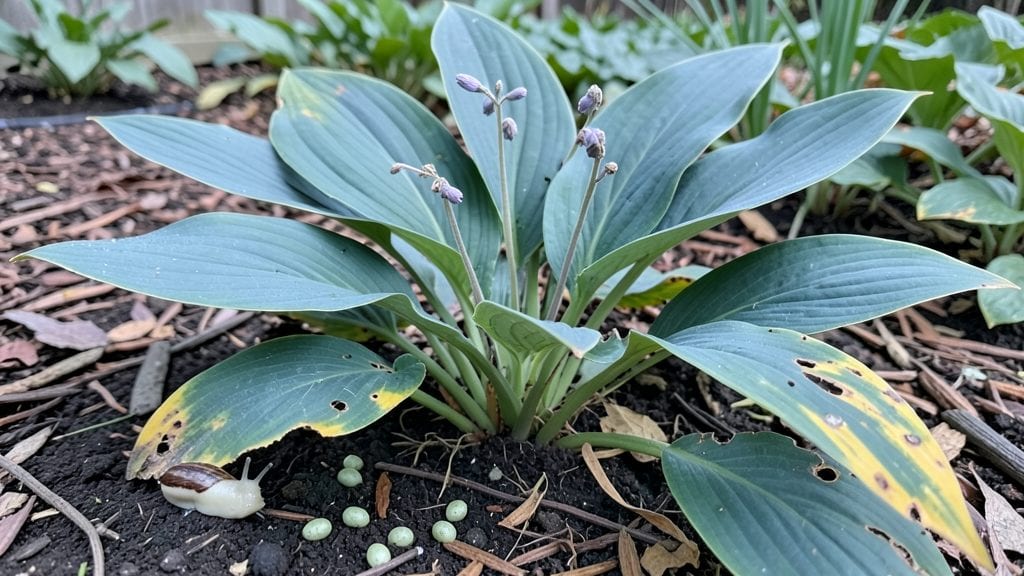
The first sign of hosta plant pests is when your lush foliage turns into Swiss cheese overnight—slugs, snails, and aphids are the usual culprits, and I’ve learned the hard way how quickly they strike. 🌿 The first sign?
Jagged holes in leaves or sticky residue on stems, often missed until half your plant is gone. My hostas once looked like they’d been through a shredder by midsummer, and that’s when I started paying closer attention to the early warnings.
Most damage happens at night or in damp conditions, so checking plants after rain or at dusk makes all the difference. Slugs leave silvery slime trails, aphids cluster on undersides of leaves, and fungal gnats hover near soil—each leaves distinct clues if you know what to look for.
The good news? Catching these pests early means you can stop a full-blown infestation before it ruins your prized hosta varieties.
You’ll walk away with a three-step defense plan—physical barriers, organic sprays, and habitat tweaks—that actually works. Copper tape around pots deters slugs, neem oil tackles aphids, and proper mulching reduces fungal gnat populations.
The results? Hostas that stay bold, unchewed, and vibrant all season long, even in the most slug-prone yards.
This works for both organic gardeners and those open to conventional methods—just swap the tactics based on your comfort level. Let’s get your hostas back to looking like the shockingly lush centerpieces they should be.
Root Causes of Hosta Damage
Understanding why pests target your hosta plants is the first step to preventing future infestations. These leafy favorites are particularly vulnerable due to their lush foliage, which acts like an all-you-can-eat buffet for hungry insects.
Let’s break down the key reasons why hosta pests strike—and how their behavior ties directly to your garden’s health.
Hostas thrive in shaded, moist environments, but these same conditions can create a perfect pest paradise.
When plants are too close together, airflow is restricted, leading to: - Higher humidity – Ideal for slugs, snails, and fungal-loving insects like aphids. - Damp leaf surfaces – A breeding ground for soft-bodied pests and bacterial diseases. - Reduced sunlight penetration – Weakens hostas, making them easier prey.
Why it matters: Pests like hosta borers and leaf miners exploit stressed plants. Overcrowding also hides early signs of damage, allowing infestations to spiral out of control before you notice.
Hostas with deficient nutrients (especially nitrogen, potassium, or magnesium) produce softer, more palatable leaves—a red flag for pests.
Common deficiencies include: - Nitrogen (N) deficiency → Yellowing leaves (chlorosis) attract slugs and aphids, which crave tender new growth. - Potassium (K) deficiency → Weak stems and brittle leaves make plants vulnerable to borers and beetles. - Magnesium (Mg) deficiency → Interveinal yellowing signals stress, luring leaf-eating caterpillars.
Pro tip: 💡 Conduct a soil test before planting. Amend soil with compost or balanced fertilizer (10-10-10) to bolster hosta resilience.
Hostas love moisture, but standing water or soggy soil creates a pest magnet zone.
Here’s how excess water invites trouble: - Slugs and snails thrive in damp conditions, multiplying rapidly when soil stays wet overnight. - Fungal gnats and root rot weaken roots, making plants susceptible to nematodes (microscopic worms that feed on roots). - Soft rot bacteria (from overwatering) attract flies and beetles drawn to decaying plant matter.
Actionable fix: 🌡️ Improve drainage with organic mulch (cedar or straw) and avoid watering at dusk (slugs are nocturnal and hunt when leaves are dew-covered).
Hostas are nature’s snack pack for pests due to:
- Thick, broad leaves – Perfect hiding spots for leaf miners and scale insects.
- High moisture content – Soft tissue is easy for caterpillars and earwigs to chew through.
- Scent compounds – Some hosta varieties (like ‘Blue Angel’) emit volatile organic compounds (VOCs) that attract pests searching for food.
Science note: 🔬 Studies show that hostas with variegated leaves (high in sugars) are twice as likely to attract aphids compared to solid-green varieties.
A balanced garden ecosystem naturally controls pests. But if your yard lacks:
- Ladybugs (devour aphids and mites),
- Ground beetles (eat slug eggs),
- Parasitic wasps (target leaf miners),
…then pests reproduce unchecked. Monoculture gardens (planting only hostas) disrupt this balance, leaving your plants defenseless.
Solution: 🎯 Plant companion plants like:
- Chives (repel aphids),
- Marigolds (deter nematodes),
- Ferns (attract predatory insects).
Pests don’t attack randomly—they follow seasonal cues and weather patterns:
- Spring rains → Explosion of slug populations (they lay eggs in damp soil).
- Hot, dry summers → Spider mites thrive on stressed hostas (they suck sap from wilted leaves).
- Fall leaf litter → Provides hibernation sites for overwintering beetles and borers.
Key takeaway: 📊 Monitor local pest cycles—many infestations peak at predictable times (e.g., June for leaf miners, July for borers).
How to Fix Hosta Leaf Problems
When pests and diseases attack your hostas, quick action can save your plants from irreversible damage. Below are targeted solutions for common issues, paired with prevention tips to keep your hostas thriving.
Whether you're dealing with slugs, aphids, or fungal spots, these fixes are practical, chemical-free (where possible), and easy to follow.
Signs: Irregular holes, slimy trails, or entire leaves chewed overnight.
🔥 Immediate Fix: Trap & Remove
- Beer traps: Bury a shallow dish filled with beer near hostas—slugs will crawl in and drown.
Refresh every 2–3 days. 🍺 - Handpick at night: Use a flashlight to spot slugs (they’re most active after dark) and drop them in soapy water. - Copper barriers: Install copper tape around pots or garden beds—slugs avoid the electric-like shock it creates.
🌡️ Long-Term Prevention
- Remove hiding spots: Clear debris, mulch piles, and dense foliage where slugs nest.
- Diatomaceous earth (DE): Sprinkle food-grade DE around the base of plants—it’s non-toxic but deadly to slugs (reapply after rain). ✨
- Encourage predators: Attract birds, frogs, and ground beetles by adding a small water source or native plants.
Signs: Sticky residue (honeydew), curled leaves, or tiny webs on undersides.
🍳 Natural Sprays (Safe & Effective)
- Soap spray: Mix 1 tbsp mild liquid soap + 1 quart water in a spray bottle.
Test on a small leaf first, then spray directly on pests (avoid flowers). 🧼 - Neem oil: Combine 1 tbsp neem oil + 1 tsp mild soap + 1 quart water.
Spray every 5–7 days until pests vanish. - Water blast: For severe infestations, hose off aphids with a strong stream of water (do this in the morning).
🎯 Prevention Tips
- Encourage ladybugs: Plant marigolds or dill nearby—they attract aphid-eating ladybugs.
- Prune regularly: Remove heavily infested leaves immediately to stop spread.
- Avoid over-fertilizing: Soft, new growth attracts aphids—balance nitrogen with phosphorus.
Signs: Brown/black spots with yellow halos, mushy stems, or white powdery coatings.
🔪 Treatment Steps
- Prune & dispose: Cut off infected leaves below the spot (use sterilized scissors) and toss in the trash (not compost). ⏰
- Fungicide spray: Use baking soda spray (1 tbsp baking soda + 1 quart water + a few drops of soap) or a copper-based fungicide for severe cases.
- Improve airflow: Space plants 12–18 inches apart and avoid overhead watering.
💡 Prevention Tips
- Water at the base: Avoid wetting leaves—use drip irrigation or water early in the day.
- Space plants properly: Crowded hostas trap moisture, inviting fungus.
- Rotate crops: If possible, move hostas to a new spot every few years to prevent soil-borne diseases.
Signs: Skeletons of leaves (only veins remain), chewed edges, or beetles feasting in groups.
👨🍳 Quick Solutions
- Handpick & drown: Drop beetles into soapy water (they’re easy to spot—green with copper wings).
- Milky spore powder: Apply to soil—it’s a natural bacteria that kills beetle grubs (takes 2–3 years to fully work). 🌱
- Neem oil or pyrethrin spray: Spray in the early evening (beetles are less active during the day).
🌿 Prevention Tips
- Plant traps: Surround hostas with rose bushes or grapes—beetles prefer these over hostas.
- Row covers: Use lightweight fabric to block beetles while allowing sunlight and water through.
- Avoid peak attractants: Japanese beetles love hostas with thick, fleshy leaves—prune lightly to reduce appeal.
- Healthy plants resist pests: Ensure well-draining soil, balanced fertilizer, and full to partial shade.
- Inspect regularly: Check undersides of leaves weekly—early detection = easier fixes.
- Rotate treatments: Pests build resistance—switch between neem oil, soap spray, and physical removal.
Pro Tip: 🔥 Keep a garden journal! Note when pests appear, what worked, and what didn’t—it’ll help you stay one step ahead next season.
Frequently asked questions
What are the most destructive pests for hosta plants?
Slugs, snails, and aphids are the top culprits, but don't overlook Japanese beetles and leaf miners. Slugs leave telltale slime trails and chew irregular holes, while aphids coat leaves in sticky honeydew. Beetles skeletonize leaves, and leaf miners create serpentine tunnels between leaf layers.
How do I tell if my hosta has pests or just natural damage?
Look for these clues: irregular holes (pests), sticky residue (aphids), or trails of slime (slugs). Natural damage often has clean edges, while pest damage is jagged. Check leaf undersides for tiny eggs or webs—these confirm pests. Overwatering can mimic pest damage, so verify soil moisture first.
Are there organic ways to protect hostas from slugs?
Yes! Use copper tape barriers (1-2 inches tall), diatomaceous earth (reapply after rain), or beer traps (bury shallow dishes of beer). For long-term control, plant chives or garlic nearby—both repel slugs naturally. Handpick at night with a flashlight for immediate results.
Can I use neem oil on hostas with variegated leaves?
Yes, but test a small area first—variegated leaves are more sensitive. Dilute 1 tbsp neem oil + 1 tsp soap per quart of water and spray undersides where pests hide. Avoid spraying in direct sunlight (can cause leaf burn). Reapply every 5-7 days until pests disappear.
Why do my hostas get pests every year even after treatment?
Pests often return due to hidden eggs in soil or mulch, overcrowded plants (traps moisture), or lack of predator insects. Rotate treatments (e.g., neem oil → soap spray → diatomaceous earth) and improve airflow by spacing plants 12-18 inches apart. Add companion plants like marigolds to attract beneficial predators.