
Planting
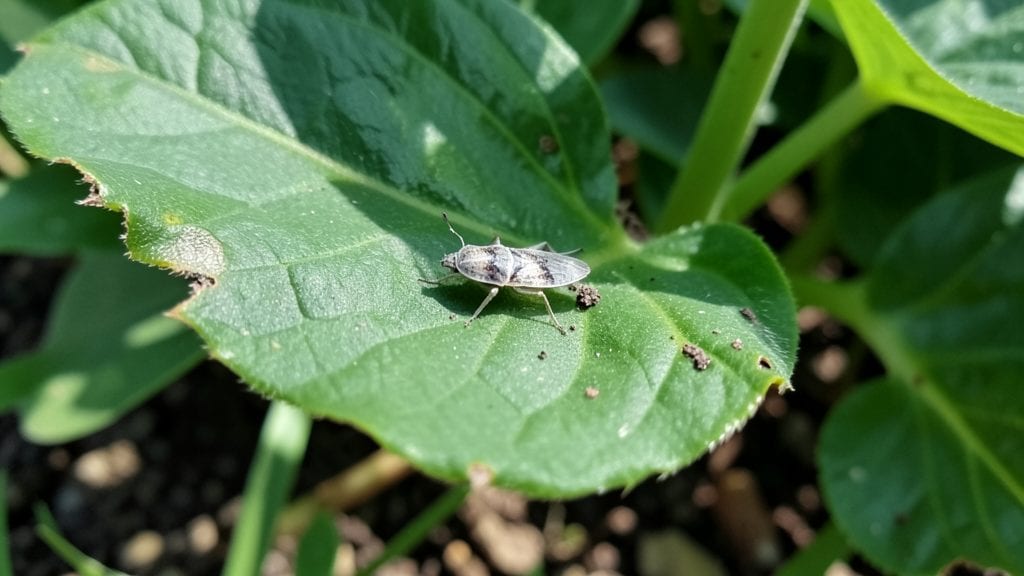
Bugs attacking your hosta plants can turn those lush 🌿 hosta leaves into a skeleton in days if you don’t act fast.
Your lush hosta plants could be under silent attack—chewed leaves, slimy trails, or wilting foliage often signal hidden pests. These hosta plant bugs don’t just nibble; they can decimate your garden’s crown jewels before you even notice.
From slugs leaving glistening trails at dawn to aphids clustering like tiny green armies, every pest has a telltale sign. The good news? You can spot them early and stop their damage before it spreads.
In this guide, I’ll show you how to identify the top 5 hosta plant bugs, eliminate them fast with natural or chemical solutions, and prevent future infestations so your hostas thrive all season.
5 Most destructive hosta plant bugs and how to spot them early
Hostas are prized for their lush foliage and shade tolerance, but they’re also a magnet for voracious pests that can devour your plants overnight. The key to saving your hostas lies in early detection.
Most gardeners only notice damage after it’s severe—chewed leaves, holes, or wilting—when the pest population has already exploded. By learning to recognize these 5 common hosta bugs and their seasonal activity patterns, you can intervene before your plants become a buffet.
These pests thrive in the moist, shady conditions that hostas prefer, making prevention even more critical. Slugs and snails leave slimy trails and ragged edges, while aphids create sticky residue that attracts ants. Sawfly larvae and Japanese beetles, on the other hand, skeletonize leaves, leaving only the veins intact.
Each pest has a distinct life cycle, so timing your inspections matters—spring and summer are peak attack seasons for most.
Below, I’ve broken down the visual signs, peak activity months, and hidden clues (like egg masses or webs) that reveal these pests before they cause irreparable damage. Grab a magnifying glass and a flashlight—some signs are easier to spot at dawn or dusk when pests are most active.
🌿
| Pest Name | Visual Signs | Peak Activity | Hidden Clues | Early Action |
|---|---|---|---|---|
| Slugs & Snails | Ragged, irregular holes; slime trails on leaves/stems | Spring to Fall (nighttime) | Eggs in damp soil; hide under mulch | Set beer traps or copper barriers |
| Aphids | Sticky honeydew residue; curled leaves; black sooty mold | Spring to Early Summer | Eggs on undersides of leaves; ants "farming" them | Spray with soapy water or neem oil |
| Sawfly Larvae | Skeletonized leaves (veins remain); frass (black droppings) | Late Spring to Summer | White egg masses on leaf undersides | Handpick larvae; use Bt spray |
| Japanese Beetles | Chewed notches on leaf edges; skeletonized foliage | Summer (June–August) | Grubs in soil; adults feed in daylight | Handpick beetles; use milky spore treatment |
| Nematodes | Yellowing or stunted leaves; galls on roots | Year-round (worst in warm soil) | Microscopic in soil; no visible signs until late | Rotate crops; use beneficial fungi like Trichoderma |
Now that you know what to look for, let’s dive deeper into each pest’s behavior and life cycle. Slugs and snails, for example, are most active after rainy nights when humidity spikes.
Check your hostas at dawn or dusk—that’s when you’ll spot their slimy trails and catch them in action. A quick inspection of leaf undersides can reveal aphid colonies or sawfly egg masses before larvae hatch and start feasting.
Japanese beetles are daytime feeders, so they’re easier to spot during the peak summer months. Look for clusters of beetles on leaves or the distinctive chewed notches they leave behind. If you see frass (black droppings) on your hostas, it’s a dead giveaway that sawfly larvae are munching away.
These pests often go unnoticed until the damage is done, so weekly inspections are your best defense.
One of the sneakiest pests is nematodes, which attack hosta roots silently. By the time you see yellowing leaves or stunted growth, the damage is already severe. Since nematodes thrive in warm, moist soil, they’re most active in late summer and fall.
If you suspect nematodes, dig up a plant and rinse the roots—look for small, bead-like galls or a mushy texture.
🪴
Seasonal timing is everything when it comes to pest control. For instance, aphids and sawfly larvae peak in early summer, while Japanese beetles dominate in July and August. Slugs and snails, however, are year-round nuisances, with activity surging after rain.
By aligning your preventative measures with these seasonal patterns, you can stay one step ahead. For example, applying diatomaceous earth in early spring targets slugs before they
Natural and chemical solutions to eliminate hosta bugs fast
When hosta bugs strike, your first instinct might be to reach for harsh chemicals—but there are gentler, equally effective solutions that protect both your plants and the beneficial insects in your garden.
The key is choosing the right method based on the pest type and severity of the infestation. Let’s break down the fastest organic and chemical approaches to reclaim your hostas.
For slugs and snails, the most common hosta pests, organic methods like beer traps and copper barriers work wonders. Meanwhile, aphids and sawfly larvae often respond well to neem oil sprays or insecticidal soap.
Chemical options, like pyrethrin-based sprays, can provide rapid relief but require careful handling. Let’s weigh the pros and cons of each approach to help you decide what’s best for your garden.
- Safe for pets and kids
- No chemical residue on plants
- Preserves beneficial insects like ladybugs
- Environmentally friendly
- May require repeated applications
- Slower knockdown effect on severe infestations
- Some methods (like diatomaceous earth) lose effectiveness in rain
- Fast-acting for severe infestations
- Longer residual protection
- Effective against resistant pests
- Toxic to pets and children if misused
- Can harm beneficial insects like bees and ladybugs
- May leave chemical residue on plants
If you’re dealing with slugs and snails, start with a beer trap—simply bury a shallow dish filled with beer near your hostas. These pests will crawl in and drown, providing a non-toxic solution that’s easy to set up.
For aphids or sawfly larvae, a neem oil spray applied in the evening disrupts their life cycle while being safe for most plants and beneficial insects.
For Japanese beetles, which can skeletonize hosta leaves overnight, a pyrethrin-based spray (like pyrethrin or cyfluthrin) can offer quick relief. Always apply in the early morning or evening to avoid harming pollinators like bees.
After treatment, rinse the foliage with water to remove any residue and reduce the risk of secondary pest issues.
Safety is critical when using chemical insecticides. Always wear gloves and a mask, and avoid spraying on windy days to prevent drift. If you have pets or children, opt for organic methods or create a physical barrier like copper tape around your hosta beds.
Even with chemicals, always follow the label instructions to minimize risks.
For a long-term solution, combine organic and chemical methods with preventative care. Remove debris and weeds where pests hide, and consider mulching with sharp materials like cedar chips to deter slugs.
Regularly inspect your hostas for early signs of pest activity, and act quickly to prevent small issues from becoming full-blown infestations.