
Diseases
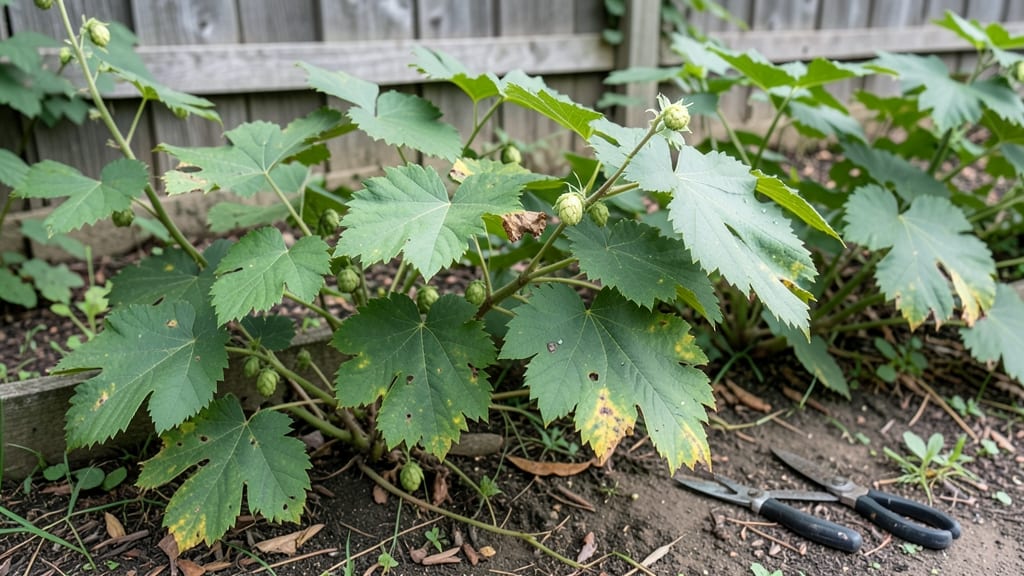
Hop plant diseases can turn your lush vines into a shadow of their potential—unless you catch them early. 🌱 I’ve seen downy mildew turn vibrant green leaves into yellowed, crinkled messes in just two weeks, and verticillium wilt silently drain a plant’s life force from the roots up.
The key to saving your harvest isn’t just sprays or fungicides—it’s spotting the warning signs before they spread.
Most hop diseases thrive in damp, crowded conditions, so proper spacing and airflow are your first line of defense. I learned the hard way when my overgrown bines trapped moisture, creating the perfect breeding ground for powdery mildew.
Resistant varieties like ‘Centennial’ or ‘Cascade’ also cut your risk, but even they need vigilant care—especially in humid climates where fungal spores spread like wildfire.
You’ll recognize trouble by the way leaves react: sudden black spots, fuzzy white coatings, or stems that wilt despite deep watering. The good news? Organic options like copper sprays or neem oil work fast when applied at the first sign of stress.
For stubborn infections, targeted fungicides can save your plants—but only if you act before the disease takes over.
Prevention pays off in healthier plants and bigger harvests. Start with clean trellises, rotate crops if possible, and prune for airflow. Even experienced growers lose crops to missed symptoms, so keep a close eye on your hops—especially during warm, rainy seasons when diseases strike fastest.
Root Causes Of Hop Ailments
Understanding why hop plants succumb to diseases is the first step in preventing them. These issues rarely arise from a single factor—it’s usually a mix of environmental stress, microbial activity, and poor cultural practices.
Let’s break down the key culprits behind hop plant diseases and why they create the perfect storm for trouble.
Hop plants are constantly battling microscopic invaders—fungi, bacteria, and viruses—that thrive in specific conditions. These pathogens don’t just appear out of nowhere; they exploit weaknesses in the plant’s defenses.
- Fungal Foes: Fungi like Verticillium wilt and downy mildew (Pseudoperonospora humuli) spread through spores, which hitchhike on wind, water, or contaminated tools. Warm, humid conditions (think 70–80°F and high moisture) are their ideal breeding ground.
Once established, fungi can persist in soil or plant debris for years, waiting for the right moment to strike. - Bacterial Bullies: Bacteria such as Pseudomonas syringae (causing bacterial blight) thrive in wet foliage and open wounds.
They multiply rapidly in stagnant water or crowded plantings, clogging xylem vessels and disrupting nutrient flow. Unlike fungi, bacteria can also spread via infected plant material or even contaminated irrigation water. - Viral Vandals: Viruses like Hop mosaic virus rely on vectors—such as aphids—to hop from plant to plant.
Once inside, they hijack the plant’s cellular machinery, stunting growth and reducing cone quality. Viruses are particularly tricky because they often show up after symptoms appear, making early detection a challenge.
Pro Tip: 💡 Rotate crops and practice sanitation (sterilizing tools, removing debris) to starve out pathogens before they gain a foothold.
Hops are hardy, but push them too far, and their immune system weakens. Environmental factors create the perfect conditions for diseases to take hold.
- Excess Moisture: Hops love water—but too much is a recipe for disaster. Overhead irrigation, poor drainage, or heavy rainfall create prolonged leaf wetness, which fungi and bacteria adore.
For example, downy mildew thrives in these conditions, forming fuzzy white growth on undersides of leaves within days. - Temperature Swings: Sudden shifts—like cool nights followed by warm days—stress plants, making them more susceptible to infection. Botrytis cinerea (gray mold) flourishes in cool, damp weather, while Powdery mildew (Sphaerotheca macularis) loves warm, dry conditions but still needs high humidity to spread. - Poor Airflow: Dense plantings or shaded areas trap humidity and limit sunlight, slowing drying and encouraging fungal growth. Verticillium wilt, for instance, spreads faster in stagnant, low-light environments where roots struggle to recover.
Pro Tip: 🌡️ Monitor weather forecasts and adjust irrigation schedules to avoid evening watering. Use spacers or trellis systems to improve airflow.
Even the best-growing conditions can go south if cultural practices are off. These mistakes create entry points for diseases or weaken the plant’s resilience.
- Overcrowding: Plants competing for light, water, and nutrients become stressed, with weaker leaves and stems—prime targets for pathogens. Bacterial blight, for example, spreads faster in crowded rows where leaves brush against each other, creating microscopic wounds.
- Poor Soil Health: Compacted, nutrient-deficient, or overly fertile soil disrupts root function. Phytophthora root rot thrives in waterlogged, anaerobic soil, while Fusarium wilt takes hold in soils with high organic matter but poor drainage.
- Wound Exposure: Pruning, harvesting, or hail damage create open doors for bacteria and fungi. Canker diseases (like Botryosphaeria) exploit these wounds, leading to dieback and reduced vigor.
Pro Tip: ✨ Use sharp, sterilized tools when pruning and avoid harvesting during wet conditions. Test soil annually to balance nutrients and drainage.
Some diseases wouldn’t spread as fast without their tiny allies. Insects and other pests play a surprising role in hop plant decline.
- Aphids & Leafhoppers: These sap-suckers don’t just weaken plants—they transmit viruses like Hop mosaic virus and Apple mosaic virus.
A single infestation can turn a healthy hop yard into a viral hotspot overnight. - Nematodes: Microscopic worms in the soil damage roots, making plants more vulnerable to fungal infections like Fusarium.
They thrive in warm, moist conditions, often going unnoticed until yield drops. - Slugs & Snails: While they might seem harmless, these pests create slime trails that harbor bacteria, increasing the risk of soft rot in cones and leaves.
Pro Tip: 🎯 Introduce beneficial insects (like ladybugs) or use organic nematode controls to keep pest populations in check. Remove debris where slugs hide during the day.
How to solve it
When your hop plants show signs of distress, acting quickly can mean the difference between a thriving harvest and a lost crop. Below are targeted solutions for the most common hop diseases, organized by cause—plus prevention tips to keep your plants strong year-round. 🌱🛡️
🔥 Fungal Infections (Downy Mildew, Powdery Mildew, Botrytis)
Fungal diseases thrive in damp, humid conditions, but they’re manageable with the right approach:
- 🍳 Remove infected foliage immediately – Snip off yellowed or spotted leaves and dispose of them in a sealed trash bin (not compost). This stops spores from spreading.
- 👨🍳 Apply fungicides preventively – Use copper-based sprays or sulfur-based fungicides (like Neem Oil or Potassium Bicarbonate) every 7–10 days during humid weather. For severe cases, systemic fungicides like Myclobutanil can help.
- ⏰ Improve airflow – Prune dense canopies to reduce humidity buildup. Space plants 3–4 feet apart and avoid overhead watering.
- 🌡️ Adjust irrigation – Water early in the morning to allow foliage to dry quickly. Drip irrigation (instead of sprinklers) minimizes leaf wetness.
Prevention tip: 💡 Rotate fungicides annually to prevent resistance. Start treatments before symptoms appear if your region has a history of fungal outbreaks.
🍄 Bacterial Diseases (Crown Gall, Bacterial Blight)
Bacterial infections are trickier because they often require a combination of removal and sanitation:
- 🔪 Excise infected tissue – Cut out galls or blighted stems below the visible damage (by 1–2 inches) using sterilized pruners. Burn or trash the debris—do not compost.
- 🛡️ Sterilize tools and soil – Disinfect pruners with rubbing alcohol between cuts. Solarize soil in late summer (cover with clear plastic for 4–6 weeks) to kill bacteria.
- 🌱 Replace contaminated plants – If crown gall is severe, dig up and destroy the entire plant to prevent spread. Replace with disease-resistant hop varieties like Galena or Cascade.
- 💧 Avoid overwatering – Bacterial blight spreads faster in soggy soil. Ensure proper drainage and mulch to keep roots dry.
Prevention tip: ✨ Test new plants for bacterial pathogens before transplanting. Buy from reputable nurseries that offer disease-free stock.
🐛 Viral Diseases (Hop Mosaic Virus, Apple Mosaic Virus)
Viruses are persistent and often incurable, but you can contain them:
- 🗑️ Remove infected plants ASAP – Dig up and destroy any plant showing mosaic patterns, stunting, or yellowing. Do not compost—viruses can survive in organic matter.
- 🛡️ Quarantine new plants – Isolate any newly purchased hops for 30–60 days to monitor for symptoms before introducing them to your garden.
- 🐝 Control aphids and leafhoppers – These insects spread viral diseases. Use Neem Oil or introduce beneficial predators like ladybugs to keep populations in check.
- 🌱 Rotate crops – Avoid planting hops in the same location year after year. Viruses can linger in soil for decades.
Prevention tip: 🎯 Purchase certified virus-free planting material. Some nurseries offer PCR-tested hops—worth the investment for large-scale grows.
🌡️ Environmental Stress (Heat Stress, Nutrient Deficiencies)
Sometimes "disease-like" symptoms stem from environmental factors. Fix these with simple adjustments:
- 💦 Hydrate properly – Hops need 1–1.5 inches of water per week. Use a moisture meter to check soil levels—wilting or crispy edges signal dehydration.
- 🍃 Feed the soil – Test soil pH (ideal: 6.0–7.0 for hops). Amend with compost or a balanced fertilizer (like 10-10-10) if deficiencies appear.
- 🌿 Provide shade cloth – In extreme heat (above 90°F), use 30–50% shade cloth to protect young plants from sun scorch.
- 🌱 Mulch heavily – Apply 2–3 inches of organic mulch (straw or wood chips) to retain moisture and regulate soil temperature.
Prevention tip: 📊 Monitor weather forecasts. Plan for heatwaves by installing drip irrigation and windbreaks to reduce stress.
Frequently asked questions about hop plant diseases
What are the first signs of downy mildew on hop plants?
Look for yellow or pale green spots on upper leaf surfaces, followed by fuzzy white growth on the undersides—especially in humid conditions. These spots spread quickly, so act within 3-5 days to prevent total leaf collapse. Copper fungicides applied at the first sign can stop progression.
Can I save a hop plant already showing verticillium wilt symptoms?
Unfortunately, verticillium wilt is incurable once symptoms appear—yellowing leaves, wilting despite watering, and stunted growth. Dig up and destroy infected plants immediately to prevent soil contamination. Replace with resistant varieties like 'Galena' in a different garden location.
How do I prevent powdery mildew without chemicals?
Start with proper spacing (3-4 feet between plants) and prune for airflow. Apply a homemade spray of 1 tablespoon baking soda + 1 teaspoon dish soap + 1 quart water weekly. Mulch with straw to reduce soil moisture and avoid evening watering when spores spread most actively.
Why do my hops get bacterial blight even with good airflow?
Bacterial blight often spreads through contaminated tools, water splashing, or aphid feeding. Sterilize pruners with rubbing alcohol between cuts, avoid overhead irrigation, and test new plants for Pseudomonas syringae before transplanting. Solarizing soil in summer can also reduce bacterial populations.
How long do viral diseases like hop mosaic virus persist in soil?
Viruses can remain viable in soil for 10+ years, making crop rotation essential. Remove all infected plant material immediately and avoid planting hops in the same spot for at least 5 years. Purchase certified virus-free rhizomes when replanting.