
Companion Plants
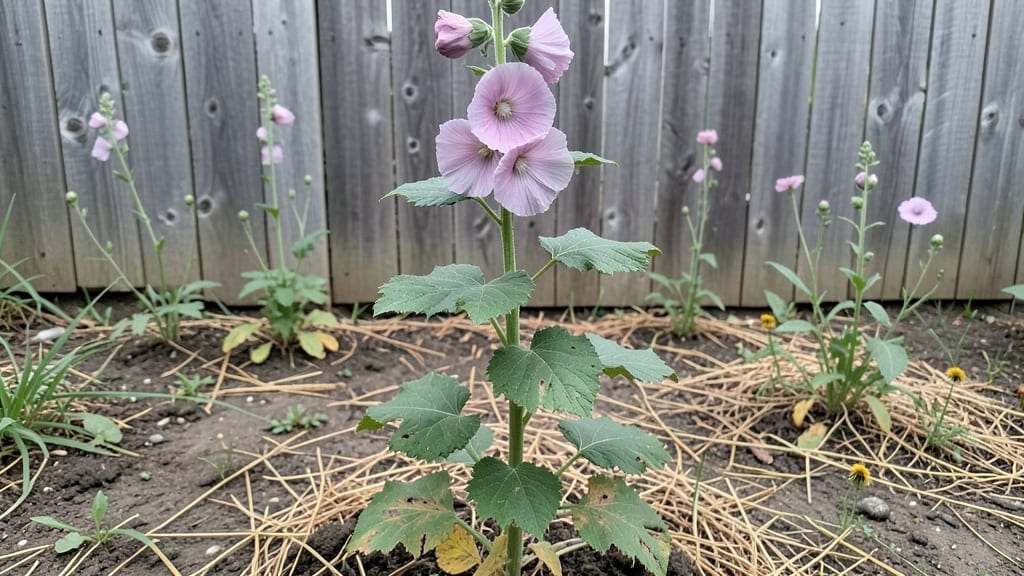
Caring for hollyhock plants reveals their surprising resilience—tall, rustling blooms that thrive with just the right balance of patience and simple care. 🌿 I’ve grown these towering beauties for years, and the key is understanding their quiet needs: loose soil that drains well, morning sun without scorching afternoon heat, and watering that keeps roots happy without drowning them.
Their long stems and velvety leaves make them standout garden stars, but hollyhocks demand almost no fuss once established. You’ll spend more time admiring their dramatic height than fussing over them—just watch for powdery mildew in humid summers and snip off spent blooms to encourage new ones.
Most gardeners underestimate how low-maintenance these plants truly are.
By mid-summer, your garden will hum with pollinators drawn to their tall spikes of pink, purple, or white blooms. The plants reward minimal pruning with 6-foot-tall stems that sway in the breeze, and their roots spread just enough to outlast many annuals.
Even in cooler climates, they bounce back year after year with proper winter prep.
Here’s the secret: hollyhocks don’t need coddling—they need space to grow. Give them room, protect their bases from rot, and let them shine as the garden’s natural vertical accent. The payoff? A border or cottage garden that feels like a storybook illustration, all with almost no effort.
📚 In This Guide
- What you need
- Instructions
- Tips and common mistakes
- Wrapping up and next steps
What you need
- ● Hollyhock seeds or young plants: Choose disease-resistant varieties (e.g., 'Black Prince' or 'Lady of the Lake'). Buy 5-10 seeds per plant or 3-5 young plants for a full bloom.
- ● Well-draining soil: Mix 1 part compost with 2 parts garden soil (hollyhocks hate soggy roots!).
- ● Sunlight access: Ensure 6-8 hours of full sun daily (partial shade in hot climates).
- ● Watering can or hose: A 1-gallon capacity for consistent moisture (avoid overhead watering to prevent mildew).
- ● Pruning shears: Bypass-style (sharp, clean cuts) for trimming dead blooms or leggy stems.
- ● Stakes or trellis: Tall varieties (4-6 ft) need 3-4 ft stakes or a sturdy trellis for support.
- ● Fertilizer: Balanced 10-10-10 NPK or compost tea (apply every 4-6 weeks during growing season).
- ● Mulch: 2-3 inches of organic mulch (straw or shredded bark) to retain moisture and suppress weeds.
- ● Disease prevention: Copper fungicide (for powdery mildew-prone areas) or neem oil spray.
- ● Garden gloves: Protect your hands from prickly stems (especially for tall varieties!).
- ● pH test kit: Hollyhocks prefer 6.0-7.5 pH; adjust soil if needed.
- ● Decorative accents: Painted stakes or garden flags to mark varieties (fun for cottage gardens!).
- ● Rain gauge: Monitor watering—hollyhocks need 1-1.5 inches per week.
Step-by-Step guide to caring for hollyhock plants
Hollyhocks bring old-fashioned charm to any garden with minimal fuss. Here’s how to keep them healthy and blooming season after season.
💧 Step 1: Water Deeply and Consistently
Hollyhocks thrive with 1-1.5 inches of water per week, whether from rain or irrigation. Water at the base of the plant in the morning to prevent fungal diseases that love damp foliage. You’ll know you’ve got the right amount when the top 2 inches of soil feel dry—that’s your signal to water again.
Newly planted hollyhocks need extra attention—water every 2-3 days for the first two weeks to help roots establish. Avoid overhead watering, which can lead to powdery mildew, a common hollyhock nemesis. Mulch around the base with 2-3 inches of organic mulch (like shredded bark) to retain moisture and keep roots cool.
☀️ Step 2: Provide Full Sun and Good Airflow
Hollyhocks crave full sun (6-8 hours daily) for the best blooms, but they’ll tolerate partial shade in hotter climates. If you notice stems stretching or leaves thinning, they’re reaching for more light—adjust their location if needed. I’ve found that morning sun with afternoon shade works best in my zone 7 garden.
Air circulation is just as important as sunlight. Space plants 2-3 feet apart to prevent fungal diseases like powdery mildew, which thrives in crowded, humid conditions. If your garden is prone to high humidity, prune surrounding plants to improve airflow around hollyhocks.
✂️ Step 3: Prune for Health and More Blooms
Deadhead spent blooms regularly to encourage continuous flowering. Simply pinch or cut back the faded flower stems to the nearest leaf or bud. This redirects the plant’s energy toward new growth instead of seed production. I like to do this on a dry morning when the stems are firm—it’s easier and cleaner.
In early spring, cut back any dead or damaged stems to the ground. This gives the plant a fresh start and prevents pests from hiding in old growth. Hollyhocks are tough—they’ll bounce back quickly, and you’ll often see new shoots emerging within a few weeks.
🌿 Step 4: Fertilize Lightly for Strong Growth
Feed hollyhocks once in early spring with a balanced, slow-release fertilizer (like 10-10-10) to support new growth. Use half the recommended dose—hollyhocks are sensitive to over-fertilizing, which can lead to weak stems and fewer blooms. Work the fertilizer into the top 2 inches of soil around the base.
Avoid fertilizing after mid-summer. Hollyhocks go dormant in fall, and feeding late in the season can encourage tender new growth that won’t survive winter. Instead, focus on mulching well to protect roots from freezing temperatures.
⏰ Step 5: Prepare for Winter and Next Year
In late fall, cut back hollyhock stems to 4-6 inches tall and add a 4-inch layer of mulch around the base. This protects the crown from freezing and keeps the soil insulated. I like to use straw or shredded leaves—they break down slowly and add organic matter to the soil.
Hollyhocks are perennial in most climates, but they may need a little help in colder zones. If you’re in a harsh winter area, consider covering the base with burlap or a thick layer of mulch for extra protection. In spring, remove old mulch and add fresh compost to feed the plants as they wake up.
Tips & tricks for perfect hollyhock care
A few simple tricks will help your hollyhocks thrive with minimal effort and maximum blooms.
Watering Wisdom: The 1-1.5 inches of water per week is a guideline, but timing matters just as much. I always check soil moisture by sticking my finger into the top 2 inches—if it feels dry, that's your cue. For newly planted hollyhocks, I set a reminder for every 2-3 days during those critical first two weeks. Morning watering prevents fungal diseases by allowing foliage to dry completely before nightfall.
Sunlight Strategy: That 6-8 hours of full sun is non-negotiable for peak blooms, but I've found that morning sun with afternoon shade works best in hot climates. If your hollyhocks start stretching toward the light, they're telling you they need more sun. I've seen hollyhocks in partial shade produce flowers, but they're always smaller and less vibrant than those in full sun.
Pruning Pro Tip: When deadheading spent blooms in Step 3, I always cut back to the nearest leaf or bud, not just the first set of leaves I see. This encourages stronger new growth from the base rather than just the top. And here's what nobody tells you—use sharp, clean pruners! Dull blades crush stems, making them more susceptible to disease.
Winter Prep: The 4-6 inch stem height for winter cutback might seem drastic, but trust me on this. Hollyhocks are tough, and they'll bounce back quickly in spring. I like to leave a little extra height in milder climates—about 8 inches—just to give them a head start. And that 4-inch layer of mulch? Don't skimp! It's the difference between a plant that survives winter and one that thrives the next season.
Pro Tips for Hollyhock Plants Care
- A few simple tricks will help your hollyhocks thrive with minimal effort and maximum blooms.
- Watering Wisdom: The 1-1.5 inches of water per week is a guideline, but timing matters just as much.
- Sunlight Strategy: That 6-8 hours of full sun is non-negotiable for peak blooms, but I've found that morning sun with afternoon shade works best in hot climates.
Frequently asked questions
Got questions about keeping your hollyhock plants happy and healthy? Here are some of the most common concerns—plus straightforward answers to help you grow like a pro!
How often should I water hollyhock plants?
Hollyhocks are drought-tolerant once established, but young plants need consistent moisture. Water deeply 1-2 times per week during dry spells, ensuring the soil stays evenly damp (not soggy). Mulch around the base to retain moisture and suppress weeds. Overwatering can cause root rot, so let the top inch of soil dry out between waterings.
Do hollyhocks need pruning, and when is the best time?
Pruning keeps hollyhocks tidy and encourages bushier growth! Deadhead spent blooms regularly to prolong flowering. Trim back leggy stems in early spring or after the first flush of flowers. Avoid heavy pruning in fall—it can stress the plant. Never prune more than 1/3 of the plant at once to prevent shock.
What pests commonly attack hollyhocks, and how do I treat them?
Hollyhocks are tough, but they can fall prey to Japanese beetles, aphids, and hollyhock rust. For beetles, handpick them or use neem oil. Aphids can be blasted off with water. Rust (a fungal disease) appears as orange spots—remove infected leaves immediately and space plants for airflow. Prevention is key! Avoid overhead watering and choose resistant varieties like 'Black Prince' or 'Peach Blow.'
Can hollyhocks grow in containers, or do they need a garden bed?
Hollyhocks thrive in garden beds but can adapt to containers if given enough space. Use a large pot (at least 12 inches wide) with well-draining soil and stake them for support. Dwarf varieties like 'Lady of the Lake' are ideal for containers. Just ensure they get full sun (6+ hours daily) and regular watering—containers dry out faster!
Are hollyhocks perennial, and how do I overwinter them?
Hollyhocks are short-lived perennials (often 3-5 years) but can self-seed for years. In cold climates (Zone 3+), cut back stems to 6 inches in fall, mulch heavily, and protect with burlap if needed. In warmer zones, they may regrow without intervention. Divide clumps every 2-3 years to rejuvenate growth and prevent disease.
Wrapping up and next steps
Caring for hollyhock plants is a rewarding journey that brings bold beauty to your garden with minimal effort!
By choosing the right variety, ensuring proper soil and sunlight, and practicing thoughtful pruning and maintenance, you’ll enjoy their striking blooms year after year. 🌸 With these tips, even beginners can cultivate thriving hollyhocks that become the star of their outdoor space.
Ready to transform your garden? Start by selecting a few healthy plants or seeds and give them the love they deserve—your future blooms will thank you! For extra inspiration, explore hollyhock companion plants to create a stunning, low-maintenance landscape.