
Plants
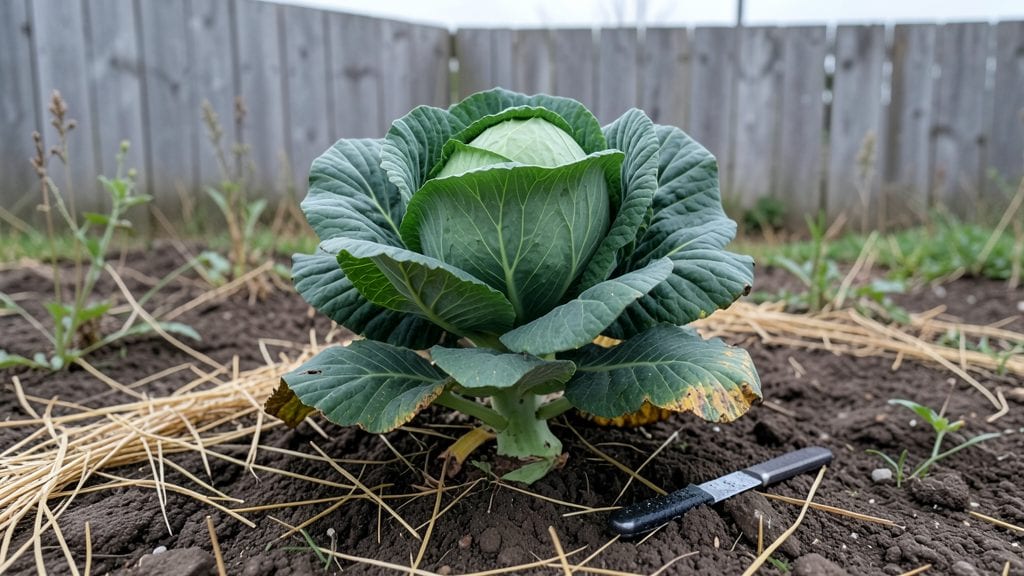
Harvesting cabbage plants at the right time turns your spring garden into a crisp, flavorful bounty 🥬 — but wait too long, and you’re left with bitter, loose heads that bolt before you can enjoy them.
I’ve watched my own cabbage patch go from perfect tight heads to sad, split messes in just two weeks when I missed the window.
The difference between a harvest worth bragging about and one that’s barely usable comes down to knowing exactly when to pull those leaves — and how to do it without damaging the plant.
You’ll learn the three key signs a cabbage is ready, the best tools to use (and why a sharp knife beats scissors), and how to store your harvest so it stays fresh for weeks. No more guessing whether that head is done or still needs time.
Even better? I’ll show you how to avoid the most common mistakes that turn a great crop into a sad pile of wilted greens. Ready to turn your garden into a cabbage goldmine?

When to harvest cabbage plants for optimal flavor and size
Timing your cabbage harvest is everything—pick too early, and you’ll miss out on full flavor; too late, and your heads may bolt or split, ruining the crisp texture you love. The key lies in watching for visual maturity signs and understanding how day length and temperature influence readiness.
For most varieties, this window opens around 75 days after transplanting, but exact timing depends on your climate and the specific cabbage variety you’re growing.
Start by checking the head firmness. A ready-to-harvest cabbage should feel solid and compact when gently squeezed—like a well-packed beach ball. If it yields slightly, it needs more time. Also, look for tightly wrapped leaves with no gaps between them.
Loose or curling outer leaves often signal the plant is past its prime. Pay attention to the color consistency too; vibrant, uniform hues mean peak flavor, while fading or uneven tones suggest it’s overripe.
Environmental cues are just as important as physical signs. Cabbage plants are day-length sensitive, meaning they’ll bolt (send up a flower stalk) when days grow too long.
In warm climates, this can happen as early as late spring or early summer, while cooler regions may see harvest windows stretching into fall or even winter for cold-hardy varieties. If your area experiences hot summer temperatures, prioritize harvesting before the heat triggers bolting.
Here’s how to spot the perfect harvest window across different cabbage varieties and seasons, along with key timing adjustments to avoid common pitfalls:
| Variety | Days to Maturity | Harvest Window | Head Size | Key Maturity Sign |
|---|---|---|---|---|
| Green Cabbage (e.g., Golden Acre) | 70-80 days | Late spring to early fall | 10-12 inches | Firm, tight head; leaves curl inward |
| Red Cabbage (e.g., Ruby Perfection) | 75-90 days | Mid-summer to fall | 8-10 inches | Deep purple color; compact head |
| Savoy Cabbage (e.g., Savoy King) | 80-100 days | Late summer to early winter | 12-14 inches | Crinkled leaves; firm texture |
| Dwarf Cabbage (e.g., Miniature Peanut) | 50-60 days | Early spring or fall | 4-6 inches | Small, round head; bright green |
| Late-Season Cabbage (e.g., January King) | 90-120 days | Fall to winter (cold-hardy) | 14-16 inches | Head resists splitting in cold |
Adjust harvest timing by 1-2 weeks based on your local climate and frost dates.
Seasonal timing adjustments are critical, especially if you’re growing cabbage in hotter climates. For example, in USDA Zone 9 or 10, where temperatures can soar above 85°F (29°C), cabbage may bolt prematurely.
To extend your harvest window, opt for shade-tolerant varieties like ‘Early Jersey Wakefield’ or use row covers to protect plants from excessive heat.
Conversely, in cooler regions, you can push harvests later into the season by choosing cold-hardy varieties such as ‘Winterbor’ or ‘January King’, which tolerate light frosts.
Day length also plays a role. Cabbage is a short-day plant, meaning it matures faster in shorter daylight hours. If you’re in a long-day region (like the Pacific Northwest), consider planting succession crops every 2-3 weeks to stagger harvests and avoid bolting.
This technique works especially well for summer and fall harvests, ensuring you have a steady supply of fresh cabbage without risking a single batch of overripe heads.
One of the biggest mistakes gardeners make is waiting until the outer leaves start splitting or the head loosens. By then, the cabbage has already peaked in flavor and texture. Instead, harvest when the head is firm and fully formed, even if it’s slightly smaller than expected.
Smaller heads often taste sweeter and more tender because they haven’t had time to develop tough fibers. For baby cabbage, harvest when heads are 4-6 inches wide—this is perfect for stir-fries or salads.
Pro tip: If you’re unsure whether your cabbage is ready, perform the “squeeze test”. Gently press the head with your thumb and forefinger. If it feels springy but solid, it’s time to harvest. If it feels mushy or hollow, it’s past its prime.
Also, check the stem end—if it’s starting to loosen or the head feels light, the plant is signaling it’s ready to bolt. Don’t ignore these cues, as bolting can turn your crisp cabbage into a bitter, seed-filled disappointment.
For gardeners in
Step-by-step harvesting techniques to preserve cabbage quality
Harvesting cabbage at the right time ensures crisp texture and peak flavor, but the method matters just as much. A sharp cut prevents damage, while proper handling extends storage life.
I’ve learned the hard way—rough harvesting leads to bruised heads that spoil faster. Let’s master the technique to keep your cabbage fresh for weeks.
Before you begin, gather your tools: a sharp knife or pruning shears, a clean basket, and a tarp or towel to protect the heads.
Work on a dry, cool day to minimize stress on the plant. Timing is critical—harvest too early, and the head won’t be fully developed; too late, and it may split or bolt.
How to Harvest Cabbage: A Step-by-Step Guide
-
Step 1: Choose the Right Head
Select a head that feels firm and heavy for its size. Gently squeeze the head—it should resist pressure and not feel spongy. Loose leaves or uneven growth mean it’s not ready.
-
Step 2: Use the Right Tool
Hold a sharp knife or shears at a 45-degree angle about 1-2 inches below the head. Cut through the outer leaves to avoid damaging the root system.
-
Step 3: Cut Cleanly and Quickly
Make a single, smooth cut to sever the head. Avoid tearing—this causes bruising and invites pests. For loose-leaf varieties, harvest outer leaves individually.
-
Step 4: Handle with Care
Place the head in a clean basket or container lined with a towel or paper to cushion it. Avoid stacking heads to prevent crushing.
-
Step 5: Store Properly
For short-term storage (1-2 weeks), keep cabbage in the fridge crisper drawer at 32-40°F. For longer storage, wrap heads in paper towels and store in a cool, dark place like a root cellar.
If your cabbage heads develop cracks or splits, it’s often due to uneven watering or rapid growth. To fix this, harvest immediately and use the head within a few days.
For loose leaves, check for pest damage or nutrient deficiencies—add compost or mulch to improve soil health for next season.
Pro tip: Harvest in the morning when temperatures are coolest. This preserves moisture and extends freshness. If you’re growing multiple varieties, like savoy or red cabbage, follow the same steps—just adjust for their unique head shapes and textures.
With these techniques, your cabbage will stay crisp, flavorful, and pest-free for weeks. Happy harvesting—your kitchen (and garden) will thank you! 🥬✂️