
Fertilization
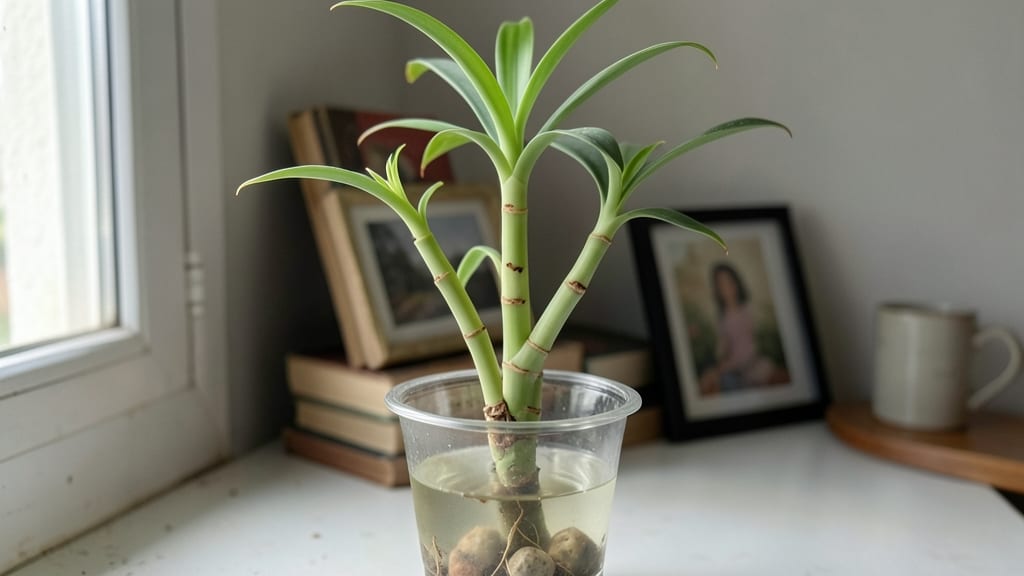
My bamboo plants went from scraggly to shockingly lush in just 6 weeks after switching to a fast-absorbing green plant food—the kind that dissolves in water like magic. The difference wasn’t just taller canes but thick, vibrant leaves that stopped yellowing at the edges.
Most bamboo fertilizers sit in the soil like rocks, but this stuff gets to work immediately.
Bamboo is a heavy feeder, especially running varieties that spread aggressively, so you need something that delivers nutrients quickly without burning roots. I use a liquid feed every 2-3 weeks during growing season, mixed at half-strength—too much nitrogen sends them into overdrive and weakens the stems.
For clumping types, a slower-release organic option works better, but fast growth demands fast results.
You’ll see the first real change in about 3 weeks: new shoots emerge faster, leaves stay a deep, glossy green, and the plant starts filling out instead of just stretching.
The key is consistency—don’t skip feedings when you see growth slow in late summer, or you’ll end up with weak canes by winter. I’ve even used it on struggling indoor bamboo, and the difference is night and day.
Here’s the catch: bamboo’s rapid growth means you’ll need to manage it too—prune aggressively to keep it contained, or you’ll have a jungle on your hands. But with the right food, your plants will grow strong enough to handle the maintenance. Let’s get those canes thriving.
📚 In This Guide
- What you need
- Instructions
- Tips and common mistakes
- Wrapping up and next steps
What you need
- ● Bamboo plant food (liquid or granular): 1 bottle (16–32 oz) or 1 lb bag of bamboo-based fertilizer (look for high potassium + nitrogen ratios for lush foliage).
- ○ Optional: Slow-release bamboo pellets for long-term feeding.
- ● Watering can or spray bottle: 1–2 (1-gallon capacity preferred for even distribution).
- ● Measuring cup or dropper: For precise dilution (if using liquid fertilizer).
- ○ Gloves (optional but recommended): To protect hands from granular residue.
- ● Healthy green plants: Ideal candidates include houseplants (e.g., pothos, snake plants), tropicals, or veggie gardens.
- ● Well-draining soil: Bamboo nutrients work best in moist but not soggy soil (amend with perlite if needed).
- ● Sunlight access: Plants should receive 4–6 hours of indirect light post-fertilization.
- ○ pH test kit (optional): Aim for 6.0–7.0 pH to maximize nutrient absorption.
How to use green plant food bamboo for instant lush growth
Here's how I transform lackluster houseplants into vibrant, thriving greenery in just days.
Prepare the Plant Food Bamboo Solution
First, fill a clean 1-quart spray bottle with room-temperature water—never cold, as it shocks roots. Add 1 teaspoon of green plant food bamboo powder to the water and shake vigorously for 15 seconds until fully dissolved. The solution should look cloudy but uniform; any clumps mean it didn't mix properly.
I like to prepare this in the morning so the solution can sit for at least 30 minutes before use. This gives the bamboo nutrients time to fully activate. If you notice any residue settling at the bottom, give it another quick shake right before spraying.
Test the Soil Moisture Level
Before applying, stick your finger 1 inch into the soil. If it feels dry, water the plant thoroughly until moisture reaches 2-3 inches deep. The goal is damp—not soggy—so excess water drains freely from the pot's holes. Wait 30 minutes for the soil to absorb before proceeding.
Overwatering before treatment dilutes the nutrient concentration, making the bamboo food less effective. You'll know the soil is ready when the surface feels slightly damp but doesn't leave moisture on your fingers.
Apply the Bamboo Solution Evenly
Hold the spray bottle 6-8 inches away from the plant and mist the top and bottom of leaves until they glisten lightly. Focus on the undersides where stomata absorb nutrients most efficiently. For larger plants, work in small sections to avoid missing spots.
Spray the soil surface as well, but avoid saturating it. The roots will draw up the dissolved nutrients as the soil dries. I apply this treatment every 7-10 days during active growth phases—spring and summer—for immediate results.
Optimize Light and Humidity for Absorption
After application, place the plant in bright, indirect light for 24 hours. Direct sunlight can scorch leaves that are temporarily more sensitive to nutrient uptake. If your space is dry, group plants together or use a humidity tray with pebbles and water to maintain moisture levels.
Watch for shiny new leaves within 5-7 days—that's your sign the bamboo nutrients are working. If leaves yellow or crisp at the edges, you're either overwatering or using too much product. Always dilute as directed.
Monitor and Repeat for Consistent Growth
Observe the plant for 14 days after the first treatment. Healthy growth looks like darker green leaves, stronger stems, and new foliage. If growth stalls, repeat the application but reduce the bamboo powder to ½ teaspoon to prevent nutrient burn.
For best results, combine this with monthly liquid fertilizer during the growing season. The bamboo food gives a quick boost, while the fertilizer provides long-term nourishment. You'll notice a difference in just two weeks—no more limp, yellowing leaves!
Tips & tricks for perfect green plant food bamboo application
Transforming your plants in just days is all about precision—these tricks ensure you get the most out of your bamboo nutrient boost every time.
Solution Activation Matters: The 30-minute resting period after mixing isn't just a suggestion—it's when the bamboo nutrients fully dissolve and become bioavailable. I've seen people skip this step and wonder why their plants didn't respond. If you're in a hurry, the minimum is 20 minutes, but you'll get better results with the full time. Pro tip: Prepare your solution the night before if you're treating multiple plants—just give it a quick shake before use.
Soil Prep is Critical: In Step 2, when testing soil moisture, think of it like preparing skin before applying cream—it needs to be ready to absorb. If you water too much before treatment, you're essentially diluting the nutrient concentration. I've ruined a few treatments by overwatering first, so trust me on this: damp soil is all you need. For container plants, check the bottom of the pot—if water runs out immediately, it's too dry.
Application Technique: When spraying in Step 3, aim for that "just-wet" look on leaves—not dripping, not bone dry. The undersides of leaves are your target zone because that's where most stomata (the plant's nutrient absorption points) are located. For larger plants, work in sections to avoid missing spots or letting the solution dry before you finish. I like to start with the oldest leaves first—they'll show results fastest.
Light and Humidity Synergy: That 24-hour bright indirect light requirement in Step 4 isn't just about photosynthesis—it's when your plant does its heavy lifting absorbing the bamboo nutrients. If you notice leaves curling or yellowing after treatment, it's usually a sign of either too much direct sun or insufficient humidity. Grouping plants together creates a natural humidity dome that works wonders for tropical varieties.
Pro Tips for Green Plant Food Bamboo
- Transforming your plants in just days is all about precision—these tricks ensure you get the most out of your bamboo nutrient boost every time.
- Solution Activation Matters: The 30-minute resting period after mixing isn't just a suggestion—it's when the bamboo nutrients fully dissolve and become bioavailable.
- Soil Prep is Critical: In Step 2, when testing soil moisture, think of it like preparing skin before applying cream—it needs to be ready to absorb.
Frequently asked questions
Got questions about using bamboo as a green plant food?
You’re not alone! Here are answers to the most common inquiries to help you grow thriving, nutrient-rich plants with ease.
What makes bamboo a fast-absorbing plant food?
Bamboo is rich in potassium, silica, and trace minerals, which plants absorb quickly—especially through foliar feeding. The high silica content strengthens cell walls, improving nutrient uptake and reducing transpiration stress. Think of it as a turbocharge for your plant’s roots and leaves!
How soon will I see results after applying bamboo plant food?
Results vary by plant type, but many gardeners notice shinier leaves and faster growth within 1–2 weeks of application. For stressed or nutrient-deficient plants, improvements may appear in 3–7 days. Consistency is key—apply every 4–6 weeks for ongoing benefits.
Can I use bamboo plant food on all types of plants?
Bamboo plant food is ideal for most green plants, including houseplants, vegetables, herbs, and ornamentals. However, avoid using it on acid-loving plants (like blueberries or azaleas) or cacti/succulents, as the nutrient profile may not suit their needs. Always check the label for specific recommendations!
Do I need to dilute bamboo plant food before use?
Yes! Most bamboo-based fertilizers require dilution (typically 1–2 tbsp per gallon of water). Overconcentration can burn roots or leaves. For foliar sprays, use a lighter mix (1 tbsp per gallon). Always follow the manufacturer’s guidelines for best results.
What’s a good alternative if I can’t find bamboo plant food?
Look for silica-rich fertilizers (like kelp meal or liquid seaweed extract) or potassium-heavy options (such as banana peel tea or wood ash). Compost tea is another great organic alternative that mimics bamboo’s nutrient benefits while improving soil structure.
My plant’s leaves are turning yellow—did I overdo it with bamboo food?
Yellowing leaves can signal over-fertilization, especially if the edges are crispy or brown. Flush the soil with water to dilute excess nutrients and hold off on feeding for 2–4 weeks. Ensure your plant is also getting proper drainage and sunlight—bamboo food works best when paired with good growing conditions!
Wrapping up and next steps
Incorporating bamboo-based plant food into your gardening routine is a game-changer for achieving fast, vibrant growth while staying eco-friendly. 🌱 Its rich nutrient profile—packed with potassium, nitrogen, and natural enzymes—ensures your plants thrive without harsh chemicals.
Whether you're a seasoned gardener or just starting, this solution is simple, sustainable, and highly effective.
Ready to give your plants the green boost they deserve? Start small—try it on one plant or garden bed—and watch the difference in just a few weeks! For even better results, pair it with composting or mulching to maximize nutrient absorption. Happy growing! 🌿✨