
Companion Plants
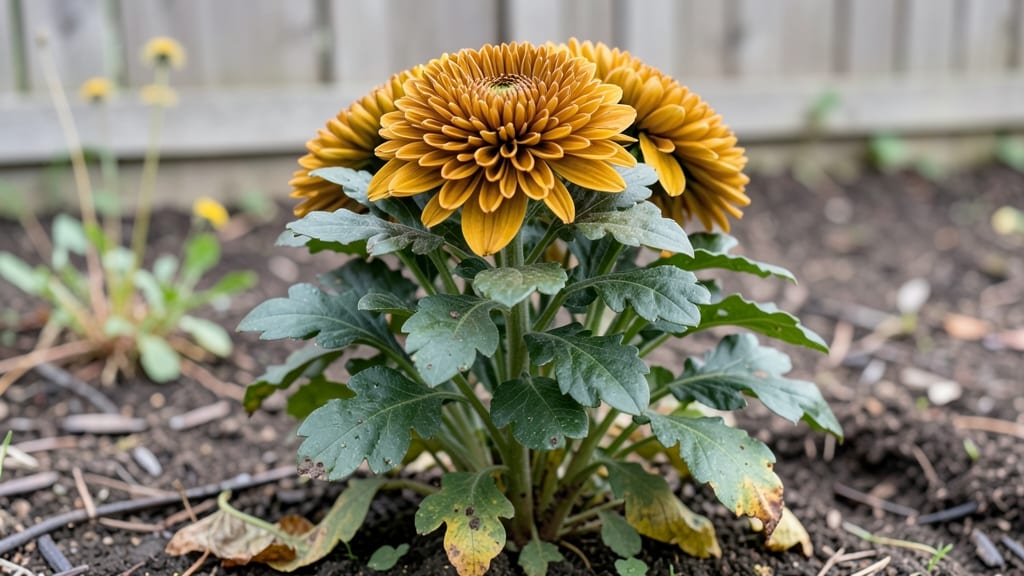
These giant chrysanthemum plants turn your garden into a sunlit stage for nature’s showstoppers, reaching 6 feet tall with bold blooms that steal the show from late summer through frost. 🌻 I planted mine last spring, and now they're the centerpiece of every backyard gathering.
They thrive in full sun, so pick the sunniest spot you've got—at least 6 hours of direct sunlight daily. The soil needs to drain well but stay moist; amending with compost before planting gives them the rich start they crave.
Staking early prevents flopping stems, and a balanced fertilizer every 4-6 weeks keeps those blooms coming.
By mid-September, you'll see massive flower heads in shades of yellow, red, or white that last for weeks. The foliage stays lush even as temperatures drop, making them perfect for late-season color. Just watch for powdery mildew—spraying neem oil preventatively keeps those leaves crisp.
Perfect for borders, cut flower arrangements, or even container growing if you choose dwarf varieties. These plants reward patience with drama you won't find anywhere else. Let's get yours growing strong!
📚 In This Guide
- What you need
- Instructions
- Tips and common mistakes
- Wrapping up and next steps
What you need
- ● Giant Chrysanthemum Plants: 3–5 mature plants (var. ‘Mammoth’ or ‘Pacific Beauty’ recommended) – check for healthy roots and vibrant foliage.
- ● Well-Draining Soil: 5–10 gallons of organic-rich, slightly acidic soil (pH 6.0–6.5). Mix in compost (1 part compost to 3 parts garden soil).
- ● Container or Garden Space: Containers: 5–7 gallon pots (with drainage holes) for each plant. Terra cotta or fabric grow bags work best.
- ● Garden Beds: Full sun (6+ hours/day) and 6–8 feet of vertical space (use trellises or stakes for support).
- ● Fertilizer: Balanced 10-10-10 or slow-release organic fertilizer (follow package rates for blooming plants).
- ● Watering Can or Hose: With a gentle spray nozzle to avoid damaging foliage.
- ● Support Structures: 3–4 bamboo stakes or metal cages (6+ feet tall) per plant.
- ● Twine or plant ties to secure stems as they grow.
- ● Gloves & Pruners: Sterilized pruners for trimming dead blooms or shaping plants.
- ● Mulch: Straw or shredded bark (2–3 inches thick) to retain moisture.
- ○ pH Test Kit: Optional but helpful for adjusting soil acidity.
- ○ Vertical Planter System: Optional for urban gardens (e.g., wall pockets or hanging planters).
- ● Pest Control: Neem oil or insecticidal soap (for aphids or spider mites).
- ● Sunlight: Full sun exposure (south-facing windows or outdoor spaces).
- ● Climate: Hardy in USDA Zones 5–9; protect from frost (<32°F) with row covers.
- ● Patience: Giant chrysanthemums take 8–12 weeks to reach peak bloom size!
Step-by-step instructions for growing giant chrysanthemums
Here's how to cultivate these bold, sun-loving beauties into towering vertical statements for your garden.
🌱 Step 1: Select and Prepare Planting Sites
Choose a location that receives full sun (6-8 hours daily)—giant chrysanthemums need intense light to fuel their dramatic growth. I always test the spot in late summer when sun exposure is at its peak. The soil should drain well but retain moisture, so amend heavy clay with 2-3 inches of compost and a handful of coarse sand per planting hole.
Dig holes twice as wide as the root ball and deep enough to bury the plant at the same level it was growing in its container. This prevents stem rot while encouraging strong root establishment. I like to add a slow-release fertilizer at the bottom of each hole—just follow the package rate for 10-10-10 blend.
🌿 Step 2: Plant and Stake for Support
Remove the plant from its container and gently loosen the roots if they appear circling. Place it in the hole so the top of the root ball sits 1 inch below soil level. Backfill with native soil mixed with compost, tamping lightly every 2 inches to eliminate air pockets. Water immediately to settle the soil and remove any air gaps.
Install a 5-6 foot tall stake at planting time—these giants need support early. I use bamboo stakes because they're sturdy yet flexible enough to adjust as the plant grows. Tie the main stem loosely to the stake with soft plant ties, leaving room for growth. Avoid tight binding, which can girdle the stem as it thickens.
☀️ Step 3: Maintain Consistent Water and Fertility
Water deeply once weekly during establishment, aiming for 1-1.5 gallons per plant. Giant chrysanthemums develop deep root systems, so you'll see the best growth when moisture reaches 12-18 inches deep. I check by inserting a metal probe—if it comes out clean, water again. Mulch with 3 inches of shredded bark to conserve moisture and regulate soil temperature.
Feed every 4-6 weeks with a balanced liquid fertilizer (like 20-20-20) diluted to half-strength. I always fertilize after a deep watering to prevent root burn. Stop feeding 6-8 weeks before first frost to encourage bud formation rather than leafy growth. This timing shift is crucial for those dramatic fall blooms.
✂️ Step 4: Prune and Train for Vertical Growth
Pinch back the main stems when they reach 12-18 inches tall to encourage bushier growth. I use my fingers to remove the top 2-3 inches of new growth just above a leaf node. This triggers lateral branches that will carry those showstopping blooms. Repeat this pinching every 4-6 weeks until mid-summer to maintain compact, sturdy forms.
As flowers begin to form, remove all but the 2-3 strongest buds per stem. This redirection of energy produces larger blooms. I also tie new growth to the stake every 2-3 weeks to prevent flopping. Use soft fabric ties and adjust as stems thicken—never bind too tightly or you'll restrict circulation.
⏰ Step 5: Prepare for Winter and Next Season
Before first frost, cut back stems to 6 inches above ground level. This prevents winter rot while leaving enough growth to photosynthesize through mild winters. I always leave the foliage on until late fall—it continues feeding the roots until hard frost. Apply 4-6 inches of mulch around the base to insulate roots through winter's coldest months.
In early spring, remove old mulch and add fresh compost around the base. I like to work in a handful of bone meal at this time to boost phosphorus for strong root development. Resume regular watering once new growth appears, and you'll see those giant blooms returning year after year with minimal effort.
Tips & tricks for perfect giant chrysanthemum growth
Here's what nobody tells you about transforming these sun-loving giants into show-stopping vertical statements—lessons I learned after watching my first batch flop from poor sunlight exposure.
Sunlight Secret: Those 6-8 hours of daily sun are non-negotiable, but here's the trick: Test your spot in late summer when the sun arcs differently than in spring. I've seen gardeners plant in what they thought was full sun, only to get leggy, weak stems. Use a solar calculator app to track sunlight patterns for two weeks before planting—it's worth the extra prep time for those dramatic blooms.
Staking Strategy: Don't wait until the plant is already leaning! Install that 5-6 foot bamboo stake at planting time, even if it feels premature. I learned this the hard way when my first giants toppled over after reaching 4 feet tall. The stakes should be buried about 1 foot deep for stability, and I always tie the main stem loosely with soft fabric ties—tight binding can actually strangle the stem as it thickens. Adjust the ties every 2-3 weeks to prevent girdling.
Watering Wisdom: That 1-1.5 gallons per plant weekly is just the beginning. The real secret is checking moisture depth—insert a metal probe 12-18 inches deep. If it comes out clean, water again. I've found that morning watering prevents fungal issues, and always water at the base rather than overhead to keep those giant blooms dry and disease-free. The 3 inches of shredded bark mulch helps maintain even moisture levels without the hassle of daily checks.
Pruning Precision: When pinching back those main stems at 12-18 inches, focus on removing just the top 2-3 inches of new growth above a leaf node. This might seem counterintuitive, but it triggers those lateral branches that carry the showstopping blooms. I make this mistake every season—pinching too much or too little—and end up with either sparse growth or overcrowded stems. Remember, you're not just pruning, you're training the plant's growth pattern for maximum impact.
Pro Tips for Giant Chrysanthemum Plants
- Here's what nobody tells you about transforming these sun-loving giants into show-stopping vertical statements—lessons I learned after watching my first batch flop from poor sunlight exposure.
- Sunlight Secret: Those 6-8 hours of daily sun are non-negotiable, but here's the trick: Test your spot in late summer when the sun arcs differently than in spring.
- Staking Strategy: Don't wait until the plant is already leaning!
Frequently asked questions
Got questions about growing these stunning vertical giants?
Here are answers to the most common queries about giant chrysanthemum plants—from care tips to troubleshooting—so you can keep your garden blooming with confidence!
How much sunlight do giant chrysanthemums really need?
Giant chrysanthemums thrive in full sun (6–8 hours daily), but they can tolerate partial shade (4+ hours) in hot climates. For vibrant blooms, prioritize morning sun and afternoon shade in zones with intense heat. Pro tip: Watch for leggy growth—this signals insufficient light!
When is the best time to plant giant chrysanthemums?
Plant them in early spring (after the last frost) or late summer for fall blooms. Container-grown plants can go in anytime, but give them 4–6 weeks to establish roots before extreme weather hits. Troubleshooting: If planted too late, mulch heavily to protect roots from winter chill.
Can I grow giant chrysanthemums in containers?
Choose large pots (18"+ diameter) with drainage holes and use well-draining soil. Dwarf varieties like ‘Little Princess’ work well in containers, while standard giants need deep roots—so opt for half barrels or raised beds. Bonus: Move containers to follow the sun for optimal growth!
What pests or diseases should I watch for?
Common issues include:
- Aphids/spider mites: Spray with neem oil or blast off with water.
- Powdery mildew: Improve airflow and apply fungicide if spots appear.
- Root rot: Avoid overwatering—let soil dry slightly between waterings.
How can I encourage bigger, showier blooms?
For larger flowers and bushier growth:
- Pinch back tips when plants are 6–8" tall to promote branching.
- Fertilize with balanced 10-10-10 every 4–6 weeks during growing season.
- Deadhead spent blooms to redirect energy to new flowers.
Wrapping up and next steps
Giant chrysanthemums are the dramatic stars of any garden, offering bold beauty and year-round vertical interest with minimal fuss. Whether you're drawn to their stunning blooms or their low-maintenance charm, these sun-loving giants prove that big rewards come from simple care.
Ready to transform your space? Start by planting one (or a dozen!) this season—your garden’s next masterpiece is just a season away! 🌿✨
- Next step: Pick your favorite variety and check local planting zones to get growing!