
Planting
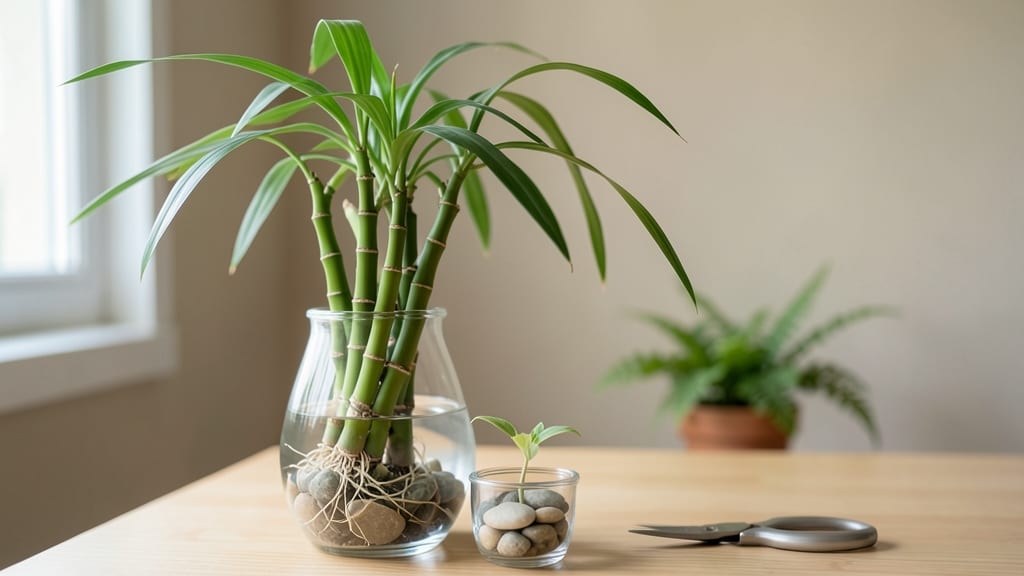
Planting black bamboo (Phyllostachys nigra) starts with understanding its roots—because without control, it becomes a yard takeover. I learned the hard way when mine spread faster than expected, smothering nearby plants before I could react.
The key isn’t just where you plant it; it’s how you contain it from day one.
You’ll need a 6-foot-deep hole for the rhizomes, a 30-gallon container if planting in pots, and either a root barrier (for in-ground) or heavy-duty fabric (for containers).
Black bamboo thrives in partial shade but needs at least 4 hours of sunlight daily—too much shade stunts growth, while full sun can scorch the leaves. The first year is critical: keep soil moist but not soggy, and mulch heavily to suppress weeds that compete for nutrients.
📚 In This Guide
- What you need
- Instructions
- Tips and common mistakes
- Wrapping up and next steps
What you need
- ● Black Bamboo Rhizomes: 3–5 healthy, root-bound rhizomes (check for firm stems and no mold).
- ● Planting Hole: Dig a trench or hole twice as wide as the rhizome clump and 12–18 inches deep.
- ● Well-Draining Soil: Mix 50% native soil with 50% compost (add perlite or sand for heavy clay).
- ● Root Barrier: Buried plastic or metal barrier (30–40 inches deep, 2–3 feet wide) to contain rhizomes.
- ● Mulch: 2–3 inches of wood chips or straw to retain moisture and suppress weeds.
- ● Watering Can/Hose: For deep, consistent watering (aim for 1–2 gallons per plant weekly).
- ● Shovel & Spade: For digging trenches and planting.
- ● Garden Gloves: Protect your hands from sharp rhizomes and soil.
- ● Measuring Tape: Ensure proper spacing (keep plants 3–5 feet apart).
- ● Pruners: Trim dead fronds or overgrowth as needed.
- ● Slow-Release Fertilizer: Pellets or granules (e.g., 10-10-10) to boost growth.
- ● Mulch Rings: Plastic or stone barriers to keep mulch in place.
- ● Soil pH Test Kit: Black bamboo thrives in slightly acidic soil (pH 5.5–6.5).
- ● Drip Irrigation System: For automated, efficient watering.
Step-by-step instructions for black bamboo planting
Mastering black bamboo means controlling its spread while maximizing its ornamental potential—here’s how to plant it right.
Choose the Right Location and Prepare the Soil
Black bamboo thrives in partial shade to full sun, but too much direct sunlight can scorch its leaves, especially in hot climates. I always select a spot with morning sun and afternoon shade—this balances growth and prevents leaf burn. The soil should be well-draining yet moisture-retentive, so amend heavy clay with 2-3 inches of compost mixed into the top 12 inches of soil.
Black bamboo’s invasive roots demand root barriers—install a 30-inch deep, 1/4-inch thick HDPE plastic barrier buried vertically around the planting hole. This prevents underground runners from spreading beyond your designated area. If planting multiple clumps, space them at least 3 feet apart to allow for future growth without crowding.
Dig the Planting Hole and Install Root Barriers
Dig a hole twice as wide and just as deep as the bamboo’s root ball to encourage root expansion. Before placing the plant, insert the root barrier at least 12 inches beyond the intended spread of the bamboo’s mature clump. Secure it vertically with stakes and landscape fabric to prevent soil from washing behind it during watering.
Gently remove the bamboo from its container and loosen any circling roots with your fingers—this prevents girdling as the plant establishes. Place the root ball into the hole, ensuring the top of the root ball sits 1 inch above ground level. This slight elevation prevents waterlogging and potential rot, especially in heavy soils.
Plant and Water for Initial Establishment
Backfill the hole with the amended soil, pressing lightly around the base to eliminate air pockets but avoiding compaction. Water deeply immediately after planting to settle the soil and encourage root contact. Use 1-2 gallons of water to thoroughly moisten the root zone—this ensures the plant doesn’t experience transplant shock.
Mulch the area with 2-3 inches of organic mulch, like shredded bark, keeping it 6 inches away from the stem to prevent moisture buildup that could cause rot. Mulching also suppresses weeds and maintains even soil moisture, which black bamboo appreciates during its first growing season. Avoid inorganic mulches like rocks, as they can overheat the roots.
Monitor Growth and Adjust Care Seasonally
Black bamboo grows 1-2 feet per year, so prune new shoots in early spring to redirect energy into established stems. Cut back any shoots that emerge outside the barrier zone—this keeps the plant contained while maintaining its density. Fertilize lightly in early spring with a balanced, slow-release fertilizer (10-10-10) to support steady growth without encouraging rampant spreading.
Water 1-2 times per week during the first year, ensuring the soil remains consistently moist but not soggy. Once established, black bamboo tolerates drought conditions better than waterlogged soil, so adjust watering based on rainfall. In winter, reduce watering to prevent root rot, especially in colder climates where the ground may not thaw completely.
Maintain Barriers and Prune for Compact Growth
Inspect the root barrier annually for breaches or gaps where rhizomes might escape. Repair any damage immediately—even a small hole can allow bamboo to spread aggressively. If you notice new shoots beyond the barrier, dig them out as soon as they appear, as established rhizomes are harder to remove.
Prune older canes in late winter or early spring to encourage new growth and maintain a full, lush appearance. Remove any dead or diseased canes first, then thin out 10-20% of the oldest stems to improve airflow and reduce pest risks. Black bamboo responds well to pruning, so don’t hesitate to shape it—just avoid over-pruning, which can stress the plant.
Tips & tricks for perfect black bamboo planting
These essential strategies will help you create a stunning, contained black bamboo display while preventing unwanted spread—trust me, the details matter more than you think.
Soil Preparation is Non-Negotiable: When amending heavy clay with 2-3 inches of compost, I recommend using a mix of equal parts compost and native soil to maintain proper drainage while retaining moisture. Test your soil’s drainage by digging a 12-inch hole and filling it with water—if it drains in less than 30 minutes, your soil is ready. If it pools, mix in additional perlite or coarse sand to improve aeration.
Root Barrier Precision Matters: The 30-inch deep, 1/4-inch thick HDPE barrier should extend at least 12 inches beyond the bamboo’s mature spread—this is where most people fail. Use a shovel or spade to create a trench for the barrier, then secure it vertically before backfilling. I’ve seen bamboo rhizomes grow through gaps as small as 1/8 inch, so take your time with this critical step.
Planting Depth is Critical: Positioning the root ball with its top 1 inch above ground level prevents waterlogging, but don’t overdo it—any higher and the plant may struggle to establish. After planting, I always press the surrounding soil gently with my hands to eliminate air pockets, then water immediately with 1-2 gallons to encourage root contact with the soil.
Mulching Strategy for First-Year Success: The 2-3 inches of organic mulch should cover the soil surface but stay 6 inches away from the stem to prevent rot. I prefer shredded hardwood bark because it breaks down slowly, maintaining moisture while improving soil structure over time. Avoid pine bark mulch, as its acidity can harm bamboo roots in the long term.
Pro Tips for Black Bamboo Planting
- These essential strategies will help you create a stunning, contained black bamboo display while preventing unwanted spread—trust me, the details matter more than you think.
- Soil Preparation is Non-Negotiable: When amending heavy clay with 2-3 inches of compost, I recommend using a mix of equal parts compost and native soil to maintain proper drainage while retaining moisture.
- Root Barrier Precision Matters: The 30-inch deep, 1/4-inch thick HDPE barrier should extend at least 12 inches beyond the bamboo’s mature spread—this is where most people fail.
Frequently asked questions
Got questions about planting black bamboo? You’re not alone!
Here are answers to the most common concerns—from spacing to long-term care—so you can grow this striking plant with confidence.
How close can I plant black bamboo together for a dense hedge?
For a thick, lush hedge, space black bamboo 3–5 feet apart in rows 4–6 feet apart. This balance prevents overcrowding while encouraging rapid, compact growth. If you want a tighter look, reduce spacing to 2–3 feet, but be prepared for more frequent thinning as they mature.
How long does it take for black bamboo to reach full height?
Black bamboo (like Phyllostachys nigra) typically reaches 15–25 feet tall in 3–5 years with ideal conditions. However, its root control systems (like rhizome barriers) slow height growth by 30–50%. Patience pays off—you’ll see noticeable growth in the first 2–3 years!
What’s the best way to stop black bamboo from spreading aggressively?
Use a 2–3 foot deep underground barrier (HDPE plastic or metal) 12–18 inches away from the plant. Combine this with regular root pruning (cutting rhizomes back annually) to keep it contained. Pro tip: Plant in containers or raised beds if your yard has limited space!
Can black bamboo survive in cold climates, and how do I protect it?
Black bamboo thrives in USDA Zones 5–9 but may need winter care in colder areas. Mulch heavily (3–4 inches) around the base in late fall, and wrap young plants in burlap if temps drop below 10°F. Established clumps are hardy but benefit from snow cover as insulation!
What are some low-maintenance alternatives to black bamboo?
If black bamboo seems high-maintenance, try these rhizome-contained alternatives:
- Dwarf bamboo (e.g., Bambusa multiplex): Grows 6–10 feet tall with minimal spread.
- Hedge bamboo (e.g., Fargesia species): Clumping, cold-hardy, and stays under 10 feet.
- Ornamental grasses (e.g., Miscanthus): Zero rhizome spread, drought-tolerant.
All offer privacy and texture without the root wars!
Wrapping up and next steps
Planting black bamboo with root control secrets is your ticket to lush, compact growth without the hassle!
By choosing the right containers, spacing plants properly, and mastering pruning techniques, you’ll keep this striking plant in check while enjoying its bold beauty. Remember: patience and consistency are key—your bamboo will thrive with the right care.
Ready to transform your space? Start small—pick a sunny spot, gather your supplies, and dive in! Whether you’re a gardening pro or a beginner, black bamboo is a rewarding project that’ll make your outdoor (or indoor!) area stand out. 🌱 Happy planting!