
Tools
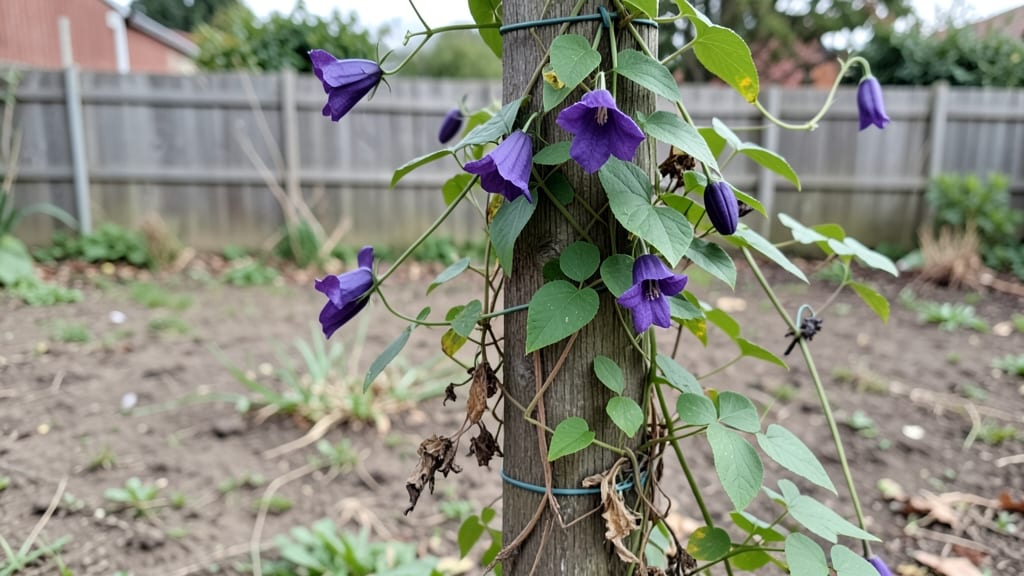
Transforming blank walls into bursts of color with flowering trellis plants changed how I see small spaces. 🌿 The right climbers can turn a boring fence or patio corner into a lush vertical garden that blooms for months—not just one season.
My favorite combinations include clematis for height, morning glories for quick coverage, and roses for fragrance, all trained on simple metal or wooden frames.
You don’t need a green thumb or a huge yard to make this work—just a sturdy trellis, some climbing plants, and a sunny spot. I’ve seen these setups thrive in 5-gallon containers on balconies or against chain-link fences, proving vertical gardens aren’t just for big backyards.
The key is choosing plants that match your space’s light and size, then giving them something sturdy to climb.
By summer’s end, you’ll have a fragrant, living tapestry that attracts pollinators and casts dappled shade. My trellis near the patio now gets compliments every time I host—it’s the kind of detail that makes a garden feel intentional, not just functional.
The best part? You can mix evergreen vines with seasonal bloomers to keep color year-round.
Works for city balconies, rural pathways, or even as a privacy screen in tight spaces. Let’s pick the perfect plants and placement for your vision—whether you want a romantic arbor or a bold statement wall.
📚 In This Guide
- What you need
- Instructions
- Tips and common mistakes
- Wrapping up and next steps
What you need
- ● Trellis structure: Choose a sturdy trellis (metal, wood, or PVC) based on your plant’s climbing habit. For vines like clematis or jasmine, opt for a 6–8 ft tall, freestanding trellis (e.g., blank">A-frame or obelisk). For lighter climbers like morning glories, a 4–5 ft tall lattice panel works.
- ● Potting soil: 10–15 gallons of high-quality, well-draining potting mix (e.g., blank">Miracle-Gro Potting Mix or a blend with perlite/vermiculite). Avoid garden soil—it compacts easily in containers!
- ● Flowering trellis plants: Select 1–3 plants per trellis, depending on size. Popular picks: Clematis (vigorous climber, needs support)
- ● Sweet pea (fast-growing, fragrant)
- ● Morning glory (annual, quick to climb)
- ● Passionflower (tropical, dramatic blooms)
- ● Containers: 1–2 large pots (12–18 inches in diameter) with drainage holes. Self-watering pots are a game-changer for busy gardeners! 💡
- ● Fertilizer: A balanced, slow-release fertilizer (10-10-10 or 20-20-20) or organic options like fish emulsion.
- ● Gloves (gardening gloves to protect your hands)
- ● Trowel or shovel (for planting)
- ● Pruners (sharp bypass pruners for trimming)
- ● Stakes or ties (soft plant ties or garden twine to secure vines to the trellis)
- ○ Mulch (optional: 1–2 inches of bark or straw to retain moisture)
- ● Watering can or hose (with a gentle spray nozzle)
- ○ Sunlight meter (optional: to check light conditions for your plants)
- ● A sunny or partially shaded spot (most flowering climbers need 4–6+ hours of sunlight daily—check your plant’s specific needs!).
- ● Access to water (trellis plants may need 1–2 inches of water per week, depending on climate).
- ● Patience! Some climbers (like clematis) take a few weeks to establish and start flowering.
How to create a stunning vertical flowering trellis garden
Transform any small space into a lush, fragrant paradise with these easy-to-follow steps.
🌱 Step 1: Choose the Right Trellis and Plants
Start with a sturdy trellis—wooden lattice or metal grid works best. I like 6-foot tall options for climbing roses or clematis, while 4-foot versions suit lighter vines like morning glories or sweet peas. For your 4 trellis projects, pick plants that match your space: clematis for shade, nasturtiums for sun, or passionflowers for bold tropical vibes.
Check plant tags for mature height—some vines grow 10+ feet but need pruning to stay contained. I always plant 1-2 plants per trellis to avoid overcrowding. If using annuals, start seeds indoors 6-8 weeks before your last frost date for a full-season display.
🪴 Step 2: Install the Trellis Properly
Position your trellis where it gets at least 6 hours of sunlight daily—most flowering vines need full sun to bloom. Secure it firmly into the ground or attach it to a wall with sturdy brackets (check your trellis package for hardware). For freestanding trellises, bury the base 6-8 inches deep or anchor it with stakes to prevent tipping in wind.
I angle mine slightly toward the sun to encourage upward growth. If attaching to a wall, leave 3-4 inches between the trellis and surface for airflow—this prevents fungal diseases that love damp, stagnant conditions. Test stability by gently shaking it before planting.
☀️ Step 3: Plant and Train the Vines
Dig holes twice as wide as the root ball but only as deep as the container the plant came in. Loosen roots gently if they're circling—this helps them establish faster. Place the plant so the trellis is 12-18 inches away from the stem (not touching yet). Backfill with native soil, firming lightly to remove air pockets.
Water deeply right after planting—1 gallon per plant—to settle the soil. As new growth appears, guide the main vine along the trellis using soft plant ties (never wire or metal clips—they can damage stems). I tie every 6-8 inches of new growth to encourage upward climbing. Watch for first true leaves (not the initial seed leaves) to appear before tying.
💧 Step 4: Maintain Water and Fertilize for Blooms
Keep soil evenly moist but not soggy—1 inch of water per week is ideal. I water at the base in the morning so leaves dry quickly, reducing mildew risk. Most flowering vines need balanced fertilizer (like 10-10-10) every 4-6 weeks during growing season. Follow package rates—over-fertilizing leads to lush foliage but few flowers.
Deadhead spent blooms regularly to encourage more flowers. For clematis, I prune right after blooming to shape the plant. For annuals like nasturtiums, pinch back tips when they're 4-6 inches tall to bush them out. You'll see the difference in 3-4 weeks—more blooms and fuller growth.
✂️ Step 5: Prune and Winterize for Next Season
In late fall, cut back perennial vines (like clematis) to 1-2 feet tall unless they bloom on old wood—check your plant's needs. Remove any dead or diseased stems completely. For annuals, pull them up when frost hits. I mark trellis locations with stakes so I remember where to plant next year.
Cover the base with 2-3 inches of mulch to protect roots in winter. If your trellis is freestanding, wrap it in burlap to shield it from harsh winds. I always take photos of my best arrangements—it helps me replicate successes the next season.
Tips & tricks for perfect vertical flowering trellis gardens
Here's what I've learned after creating multiple trellis gardens—these tricks will help you avoid common pitfalls and maximize your vertical growing success.
Plant Selection Strategy: When choosing plants for your 4 trellis projects, prioritize vines that match your space's sunlight conditions. Clematis and passionflowers thrive in partial shade, while nasturtiums and morning glories need full sun. I always check plant tags for mature height—some vines reach 10+ feet but can be pruned to stay within your 4-6 foot trellis limits. For annuals, starting seeds indoors 6-8 weeks before your last frost date gives them a head start for that full-season display.
Trellis Placement: The 6 hours of sunlight requirement is non-negotiable for most flowering vines. I angle my trellises slightly toward the sun to encourage upward growth, and I always test stability by gently shaking them before planting. For wall-mounted trellises, leave 3-4 inches between the trellis and wall—this crucial airflow gap prevents fungal diseases that thrive in damp conditions. If your space gets strong winds, consider burying freestanding trellis bases 6-8 inches deep or using stakes for extra support.
Training Technique: When training vines in Step 3, use only soft plant ties—wire or metal clips will damage delicate stems. I tie every 6-8 inches of new growth to encourage upward climbing, but I wait for the first true leaves to appear before tying. This gives the plant enough energy to support itself. For clematis, I also weave the main stems through the trellis structure rather than just tying them—this creates that beautiful cascading effect you see in garden photos.
Maintenance Secret: The 1 inch of water per week guideline is perfect, but timing matters too. Water at the base in the morning so leaves dry quickly—this simple habit reduces mildew risk significantly. I also fertilize with balanced 10-10-10 every 4-6 weeks, but I cut back to every 6-8 weeks in late summer to encourage blooming rather than leafy growth. Deadheading spent blooms regularly (especially for nasturtiums) gives you that 3-4 week boost in new flowers that everyone notices.
Pro Tips for Flowering Trellis Plants
- Here's what I've learned after creating multiple trellis gardens—these tricks will help you avoid common pitfalls and maximize your vertical growing success.
- Plant Selection Strategy: When choosing plants for your 4 trellis projects, prioritize vines that match your space's sunlight conditions.
- Trellis Placement: The 6 hours of sunlight requirement is non-negotiable for most flowering vines.
Frequently asked questions
Got questions about transforming your space with flowering trellis plants? You’re not alone! Here are some of the most common queries—and their simple, actionable answers.
What’s the best time of year to plant flowering trellis climbers?
For most flowering trellis plants (like clematis, morning glories, or sweet peas), spring is ideal—after the last frost when soil is warm. However, cool-season climbers (e.g., sweet peas) can also thrive with a fall planting. Check your plant’s hardiness zone for precision!
Why aren’t my flowering trellis plants blooming?
Several factors could be at play: insufficient sunlight (most need 6+ hours/day), over-fertilizing with nitrogen (which promotes leaves, not flowers), or pruning at the wrong time. Try deadheading spent blooms and switching to a phosphorus-rich fertilizer to encourage flowers.
Can I use a trellis for flowering plants in small apartments or balconies?
Opt for compact varieties like thunbergia alata (black-eyed Susan vine) or ipomoea tricolor (morning glory). Use wall-mounted trellises, hanging planters with vertical supports, or even repurposed ladders to maximize space. Just ensure your container has drainage!
How do I clean and maintain a trellis to prevent mold or pests?
Keep your trellis in tip-top shape with these steps:
- Annual scrubbing: Use a mild soap solution and a brush to remove debris.
- Prune regularly: Trim dead leaves/vines to improve airflow.
- Inspect for pests: Check for spider mites or aphids; treat with neem oil if needed.
- Winter prep: Store wooden trellises indoors or coat them with linseed oil to prevent rot.
What are some low-maintenance flowering trellis plants for beginners?
Start with these hardy, forgiving picks:
- Nasturtiums: Edible, fast-growing, and pest-repellent!
- Honeysuckle: Fragrant, drought-tolerant, and attracts pollinators.
- Jasmine: Thrives in partial shade and fills the air with scent.
- Cobaea scandens (Cup-and-Saucer Vine): Dramatic blooms with minimal fuss.
All three require minimal pruning and are perfect for first-timers!
Wrapping up and next steps
Transforming your compact space into a blooming paradise is easier than you think with flowering trellis plants! These versatile climbers add beauty, structure, and a touch of whimsy while maximizing vertical real estate.
Whether you’re a seasoned gardener or a beginner, the right plants and a little creativity can turn any wall or fence into a thriving garden oasis.
Ready to get started? Pick your favorite climbers, gather your supplies, and let your green thumb shine! 🌸 Next, sketch a simple trellis design or browse pre-made kits—your future floral masterpiece awaits.