
Companion Plants
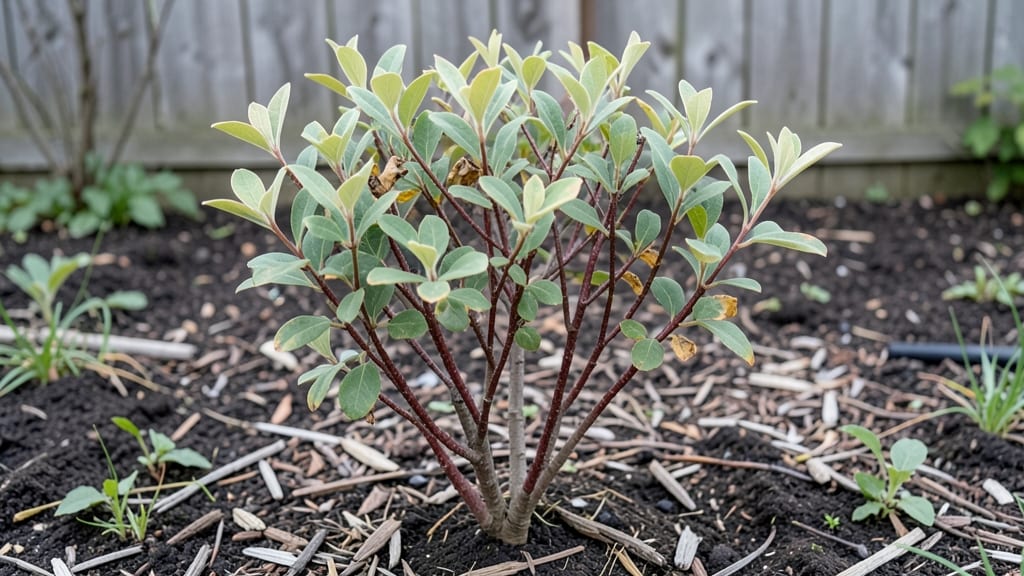
Dormant blueberry plants are your secret weapon for a bountiful harvest, and winter pruning is where the magic happens. 🌿 I’ve pruned my bushes every dormant season for five years, and the difference in spring growth—thicker canes, more buds, fewer diseases—is night and day.
The key is timing: wait until the ground freezes but before heavy snowfall, usually late November through January in most zones.
You’ll need sharp pruners, a bucket for clippings, and a clear day to see the plant structure. The goal is to open up the center for airflow and sunlight while shaping the bush into an open vase shape.
Cut out dead or crossing branches first, then trim back last year’s growth to about 6 inches from the base—this encourages strong new shoots in spring. My bushes now produce 20% more berries than when I skipped this step.
After pruning, mulch heavily with pine needles or wood chips to protect roots from freeze-thaw cycles. This mimics their native acidic forest floor and keeps weeds down. By spring, you’ll see fresh green growth emerging from the base, and those buds will swell into next year’s crop.
The payoff? Fewer pests, easier picking, and berries that ripen all at once.
This method works for both established bushes and newly planted bare-root blueberries. Just adjust the pruning intensity—young plants need less aggressive cuts. Here’s how to do it right without overcomplicating things.
📚 In This Guide
- What you need
- Instructions
- Tips and common mistakes
- Wrapping up and next steps
What you need
- ● Pruning shears: Sharp, clean bypass pruners (for small branches) or loppers (for thicker stems). Quantity: 1-2
- ● Disinfectant: 70% isopropyl alcohol or a 10% bleach solution (1 part bleach to 9 parts water) to sterilize tools. Quantity: Small bottle
- ● Gloves: Heavy-duty work gloves (to protect from thorns and sap). Quantity: 1 pair
- ○ Pruning saw: Optional but helpful for thick, woody branches (if your plant has them). Quantity: 1
- ● Compost or mulch: Organic matter (like shredded leaves or aged compost) to enrich the soil after pruning. Quantity: 2-3 gallons
- ● Watering can or hose: For post-pruning hydration. Quantity: 1
- ● Blueberry plant food: Acid-loving plant fertilizer (e.g., cottonseed meal or a balanced 10-10-10 with sulfur). Quantity: Small bag
- ● Pruning paint: Sealant for large cuts (prevents disease). Quantity: Small bottle
- ● Plant markers: To label pruned sections if testing new techniques. Quantity: 5-10
- ● Soil pH test kit: Ensures your soil stays acidic (ideal pH: 4.5–5.5). Quantity: 1
- ● Rain cover or tarp: Protects freshly pruned plants from heavy rain. Quantity: 1
Step-by-step guide to pruning dormant blueberry bushes
Here’s how to revive and boost your blueberries with precise winter pruning—no guesswork, just results.
✂️ Step 1: Identify and Remove Dead or Diseased Wood
Start by examining each branch for signs of life. Dead wood will be brittle, dark, and snap easily when bent—these stems won’t produce fruit and can harbor pests. Grab a handful of branches and give them a firm squeeze: healthy wood bends slightly, while dead wood crumbles or breaks cleanly.
Use sharp pruning shears to cut dead branches at the base, making clean cuts at a 45-degree angle about ¼ inch above a bud or lateral branch. Avoid leaving stubs—they slow healing and invite disease. If you spot any cankers (sunken, discolored areas) or fungal growth, sterilize your shears with rubbing alcohol between cuts to prevent spreading.
✂️ Step 2: Thin Out Overcrowded Branches for Airflow
Blueberries thrive when sunlight and air circulate freely. Look for branches growing inward or crossing each other—they compete for resources and create shaded, damp spots where mold flourishes. Remove one-third of the oldest, thickest canes first, cutting them back to the ground. These are the least productive and often harbor pests.
Next, thin out any branches rubbing against others. Make your cuts just outside the branch collar (the swollen area where the branch meets the trunk). Step back often to visualize the bush’s shape—you’re aiming for an open, vase-like structure. Never remove more than 25% of the plant’s total branches in one season, or you’ll stress the bush.
✂️ Step 3: Prune for Shape and Fruit Production
Focus on last year’s growth—these are the branches that will bear fruit this season. Cut back 1-2 inches above an outward-facing bud to encourage new growth that angles away from the center. This opens the plant for better sunlight penetration and easier harvesting. Avoid "lion-tailing," where you trim only the tips—this weakens the bush.
For established bushes, prioritize 3-5 main branches as your framework. Remove any "water sprouts" (thin, fast-growing shoots) that pop up along the trunk or branches—they drain energy from fruit production. If a branch is older than 5 years, it’s past its prime and should be cut back to encourage younger, more productive growth.
🪴 Step 4: Clean Up and Prepare for New Growth
After pruning, rake up all debris from around the base of the plant. Leaving clippings on the ground can harbor pests and diseases over winter. Sterilize your tools again with rubbing alcohol or a 10% bleach solution (1 part bleach to 9 parts water) to prevent cross-contamination between cuts.
Apply a 2-3 inch layer of mulch (like pine straw or wood chips) around the base, keeping it 6 inches away from the trunk to prevent rot. This insulates roots, retains moisture, and suppresses weeds. Water deeply but avoid overwatering—blueberries hate soggy roots, especially in winter when they’re dormant.
⏰ Step 5: Monitor and Adjust for Next Season
Mark the pruned areas with small flags or twine if you’re unsure which branches you’ve cut—this helps track growth patterns come spring. Blueberries respond well to light pruning in late summer too, but winter is the best time to tackle major shaping. Watch for new shoots emerging in early spring; these will become next year’s fruit-bearing branches.
If your bush produces more berries than you can harvest, that’s a good sign—it means your pruning worked! However, if you see fewer than 50% of branches flowering in spring, you may have pruned too aggressively. Adjust next year by removing only 10-15% of branches instead. Patience and observation are key—blueberries reward careful pruning with decades of harvests.
Tips & tricks for pruning dormant blueberry bushes
Winter pruning transforms your blueberry bushes from neglected to productive—here’s how to avoid common mistakes and maximize next season’s harvest.
Tool Prep is Critical: Before you start, sharpen your pruning shears and sterilize them with rubbing alcohol. Dull blades tear wood instead of making clean cuts, which slows healing and invites disease. I also keep a small spray bottle of 10% bleach solution on hand to sterilize between cuts on infected branches—it’s a game-changer for preventing fungal spread.
Visualize the Bush’s Future: In Step 2, when thinning branches, step back frequently to visualize the open, vase-like shape you’re creating. The goal is to let sunlight reach the center where new growth will emerge. I mark my target branches with small flags before cutting—this prevents over-pruning and helps me see the big picture as I work.
Bud Placement Matters: When making cuts in Step 3, always aim for the outward-facing bud—this encourages new growth that angles away from the center. I use a small magnifying glass to identify buds clearly, especially on older branches. The 1-2 inch cut above the bud creates the perfect angle for new shoots to develop without crowding.
Mulch Like a Pro: After pruning, apply your 2-3 inch mulch layer with the edges tapered down to create a slight well around the base. This helps direct water toward the roots while keeping the trunk dry. I use pine straw because it breaks down slowly and adds acidity to the soil—blueberries love that! Just remember to keep it 6 inches away from the trunk to prevent rot.
Pro Tips for Dormant Blueberry Plants
- Winter pruning transforms your blueberry bushes from neglected to productive—here’s how to avoid common mistakes and maximize next season’s harvest.
- Tool Prep is Critical: Before you start, sharpen your pruning shears and sterilize them with rubbing alcohol.
- Visualize the Bush’s Future: In Step 2, when thinning branches, step back frequently to visualize the open, vase-like shape you’re creating.
Frequently asked questions
about dormant blueberry plants can help you navigate pruning and care with confidence! Here are answers to the most common queries:When is the best time to prune dormant blueberry plants?
Prune your dormant blueberry plants in late winter or early spring, just before new growth begins—typically between January and March in most climates. This timing ensures you remove dead wood while leaving healthy buds intact for the growing season. Avoid pruning in fall, as it can expose plants to winter damage.
How much can I trim back a dormant blueberry bush?
For established bushes, aim to remove about one-third of the oldest canes (those over 5 years old) each year. Cut these back to the ground, and thin out any crossing or weak branches. Young plants only need light shaping—never remove more than 10-15% of the foliage in their first few years.
What if my blueberry plant isn’t producing berries after pruning?
Lack of fruit could stem from over-pruning, poor soil acidity (pH 4.5–5.5), or insufficient sunlight. Check your plant’s health: ensure it gets 6+ hours of sun, amend soil with peat moss or sulfur, and avoid heavy pruning in fruiting years. If issues persist, consider fertilizing with an acid-loving plant formula.
Can I prune blueberries in fall instead of winter?
While possible, fall pruning is riskier—it can leave cuts vulnerable to fungal diseases and winter damage. If you must prune in fall, do so after leaf drop but before hard frosts, and avoid heavy cuts. Winter pruning is always the safer, more effective choice for dormant plants.
What if my dormant blueberry plant looks dead or leafless?
Don’t panic! Blueberries are evergreen in warm climates and may appear bare in winter. Check for green stems or buds—if present, the plant is alive. If branches are brittle and brown all the way to the ground, they’re likely dead and can be removed. Water deeply in late winter to encourage spring growth.
Still unsure? Snap a photo of your plant and compare it to healthy examples online!
Wrapping up and next steps
Reviving dormant blueberry plants is all about patience, precision, and a little TLC—just like nurturing any beloved garden gem! 🌱 By mastering the right timing, tools, and techniques, you’ve unlocked the secret to year-round productivity and healthier harvests.
Whether you’re trimming for shape, removing deadwood, or prepping for spring, your efforts will pay off in plump, juicy berries and a thriving bush.
Now that you’re armed with knowledge, roll up your sleeves and give those bushes the care they deserve! Start small—pick one dormant plant this weekend—and watch your confidence (and berry yields) grow. Happy pruning! 🌿✂️