
Companion Plants
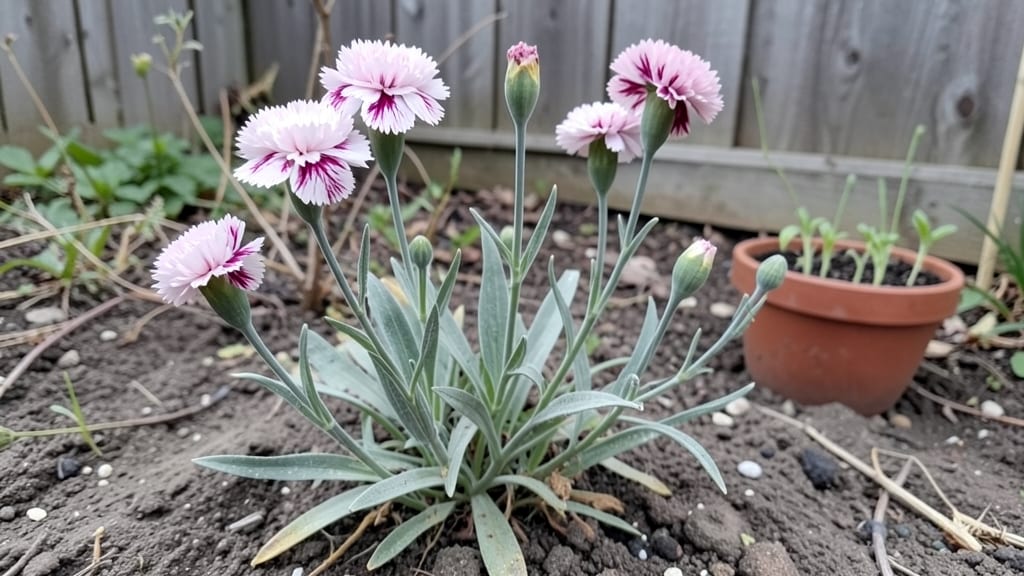
Dianthus and carnation plants bring that clove-scented magic to sunny garden beds, and I’ve learned the exact tricks to keep them blooming like crazy all season. 🌸 The key isn’t just full sun—it’s the soil, the watering rhythm, and a little pruning know-how that turns floppy stems into bushy, fragrant powerhouses.
Most gardeners overlook how these plants hate soggy roots but love well-draining soil mixed with sand or grit. I’ve grown both annuals and perennials this way, and the difference is night-and-day: fewer wilting leaves, more blooms, and flowers that last from spring through fall.
Even in hot climates, they handle the heat better than most flowers.
By mid-summer, your plants will be covered in clusters of pink, red, or white blooms that perfume the air when brushed. The secret? Deadheading spent flowers and giving them a light trim after each flush—it keeps them compact and flowering like they’re on steroids.
No fancy tools needed, just sharp scissors and a little patience.
Whether you’re filling borders, lining walkways, or adding color to containers, these plants adapt beautifully. The annuals give you instant impact, while perennials come back year after year with minimal fuss. Let’s get those roots settled and those blooms popping!
📚 In This Guide
- What you need
- Instructions
- Tips and common mistakes
- Wrapping up and next steps
What you need
- ● Dianthus or carnation plants: Seeds (choose heirloom or hybrid varieties like 'Sweetheart' or 'Picotee')
- ● OR young nursery starts (4-6 inches tall, healthy-looking)
- ● Well-draining potting mix: 5-10 gallons (for containers) or 1-2 cubic yards (for in-ground planting). Use a blend of peat moss, perlite, and compost (ratio: 50% potting soil, 30% perlite, 20% compost).
- ○ Containers (optional but helpful): 5-7 inch pots for seedlings (if starting indoors)
- ● 10-12 inch pots for mature plants (if container-gardening)
- ● Fabric grow bags (for improved drainage and aeration)
- ● Slow-release fertilizer: 10-10-10 or 14-14-14 (1-2 tbsp per plant at planting time).
- ● Organic mulch: 1-2 inches of pine bark, straw, or shredded leaves (to retain moisture and suppress weeds).
- ● Hand trowel (for transplanting seedlings or dividing clumps).
- ● Pruning shears (sharp and clean for deadheading or shaping plants).
- ● Garden gloves (to protect hands from thorns on some carnation varieties).
- ● Watering can or hose with a gentle spray nozzle (dianthus and carnations dislike soggy roots!).
- ○ pH testing kit (optional but recommended—ideal soil pH: 6.0-7.0).
- ● Spray bottle (for misting seedlings or humidity control).
- ● Sunlight: A spot with 6-8 hours of full sun daily (partial shade in hot climates).
- ● Temperature: Ideal planting temps: 50-75°F (avoid frost-sensitive varieties in cold snaps).
- ● Watering schedule: Keep soil consistently moist but not waterlogged (drought-tolerant once established).
- ● Spacing: 12-18 inches apart for in-ground planting.
- ● 6-8 inches apart in containers (thin seedlings if overcrowded).
Step-by-Step guide to planting and caring for dianthus and carnations
Here’s how to grow these fragrant favorites with vibrant blooms that last all summer.
🌱 Step 1: Choose the Right Location and Prepare the Soil
Dianthus and carnations thrive in full sun, so pick a spot that gets at least 6-8 hours of direct sunlight daily. These plants hate soggy roots, so ensure your soil drains well—amend heavy clay with 2-3 inches of coarse sand or perlite if needed. I like to work in a handful of compost to give them a nutrient boost without making the soil too rich.
Loosen the top 6-8 inches of soil with a garden fork or tiller to help roots spread easily. If planting in containers, use a well-draining potting mix with added perlite. The key here is preventing waterlogged soil, which causes root rot and kills these plants quickly.
🪴 Step 2: Plant Seeds or Transplants at the Right Depth
For seeds, scatter them lightly on the soil surface—they don’t need deep planting. Press them in just enough to cover, then water gently with a fine spray. If using transplants, dig holes twice as wide as the root ball and place them at the same depth they were growing before. Space plants 12-18 inches apart for good airflow and to prevent disease.
I always water the soil before planting to help roots settle in without shock. After placing the plants, firm the soil gently around the base and water again to remove air pockets. These plants establish quickly, so keeping the soil consistently moist (but not wet) for the first 2-3 weeks is crucial.
☀️ Step 3: Water and Fertilize for Strong Growth
Water deeply once a week, allowing the top 2 inches of soil to dry out between waterings. Overwatering is the fastest way to kill dianthus and carnations—yellowing leaves or wilting stems are your first warning signs. I like to water in the early morning so foliage dries quickly, reducing fungal risks.
Feed plants with a balanced, water-soluble fertilizer (10-10-10) every 4-6 weeks during the growing season. Stop fertilizing in late summer to encourage blooms for next year. Deadhead spent flowers regularly—this keeps plants blooming longer and prevents seed formation, which drains energy.
✂️ Step 4: Prune and Maintain for Long-Lasting Blooms
After the first flush of blooms, cut back stems by one-third to encourage bushier growth. This step is non-negotiable—skipping it leads to leggy, sparse plants. I always use clean, sharp pruners to avoid damaging stems. Prune in early spring before new growth starts for the best results.
Watch for pests like aphids or spider mites, which love tender new growth. A strong spray of water often removes them, but severe infestations may need insecticidal soap. Mulch around the base with 1-2 inches of straw or pine needles to retain moisture and suppress weeds without smothering the plants.
⏰ Step 5: Prepare for Winter and Encourage Next Year’s Blooms
In fall, reduce watering as temperatures drop, but keep the soil slightly moist. Once frost hits, cut back stems to 2-3 inches above the ground. These plants are hardy in USDA zones 4-9, but a thick layer of mulch (3-4 inches) protects roots from freezing temperatures.
Spring is the time to divide clumps if they’ve outgrown their space. Dig up the plant, separate the roots, and replant the healthiest sections. You’ll see fresh, vigorous growth within weeks—proof that a little winter care pays off big time with next summer’s blooms.
Tips & tricks for perfect dianthus and carnation care
Growing fragrant dianthus and carnations isn't rocket science, but these small details make all the difference between pretty plants and showstoppers.
Sunlight Secret: While 6-8 hours of direct sunlight is ideal, these plants can actually handle up to 10 hours in hot climates. The key is watching for leaf scorch—if edges turn crispy, provide afternoon shade during peak summer heat. I've learned this the hard way after losing plants to midday sunburn in my Zone 8 garden.
Soil Prep Game-Changer: Don't skip the deep soil loosening in Step 1—those roots need room to breathe! I use a broadfork to loosen 8-10 inches deep for container plants, which gives roots twice the space they'd get in garden soil. The extra effort prevents that dreaded root-bound look that stunts growth.
Watering Wisdom: That "once a week" guideline assumes average rainfall. In my experience, container plants often need watering every 3-4 days in summer heat. Press your finger 1 inch into soil—if it's dry, it's time to water. The top 2 inches drying out is just a starting point, not a hard rule.
Fertilizer Timing: The 4-6 week feeding schedule works perfectly if you're using a balanced fertilizer, but I've found that switching to a phosphorus-heavy formula (5-10-10) every 8 weeks during bloom time gives me noticeably more flowers. Just remember to stop fertilizing by late summer to let plants prepare for winter.
Pro Tips for Dianthus Carnation Plants
- Growing fragrant dianthus and carnations isn't rocket science, but these small details make all the difference between pretty plants and showstoppers.
- Sunlight Secret: While 6-8 hours of direct sunlight is ideal, these plants can actually handle up to 10 hours in hot climates.
- Soil Prep Game-Changer: Don't skip the deep soil loosening in Step 1—those roots need room to breathe!
Frequently asked questions
Got questions about growing dianthus and carnation plants? You’re not alone! Here are answers to the most common queries to help you cultivate fragrant, sun-loving blooms with ease.
How often should I water dianthus and carnation plants?
These drought-tolerant plants prefer moderate watering—about 1 inch per week, including rainfall. Overwatering causes root rot, so let the top 1-2 inches of soil dry out between waterings. Mulch lightly to retain moisture without suffocating roots.
When is the best time to plant dianthus and carnations?
For spring blooms, plant in early spring (after the last frost). For fall/winter color, opt for late summer or early fall. Carnations thrive in cool seasons, while dianthus handles light frost. Always harden off seedlings if starting indoors!
What pests or diseases should I watch for?
Common issues include:
- Aphids: Crinkled leaves? Spray with soapy water or neem oil.
- Powdery mildew: Improve airflow and avoid overhead watering.
- Root rot: Caused by soggy soil—ensure well-draining pots/containers.
Can I grow dianthus and carnations in containers?
Both thrive in 5-6 inch pots with drainage holes. Use a light, sandy potting mix and repot every 2-3 years. Carnations need slightly larger containers (8+ inches) for stability. Place pots in full sun (6+ hours/day) for best results.
How do I encourage longer blooming?
Deadhead spent blooms regularly to prompt new flowers. Fertilize lightly with a balanced, low-nitrogen formula every 4-6 weeks. For carnations, a pinch back in early spring can boost bushiness. Avoid heavy feeding—these plants prefer moderation over excess!
Wrapping up and next steps
Growing dianthus and carnation plants is a rewarding way to add vibrant, fragrant blooms to your garden while keeping pests at bay. These sun-loving companions thrive with minimal fuss—just provide well-draining soil, bright light, and a little regular care.
Whether you’re a seasoned gardener or just starting out, their beauty and resilience make them a must-have for any sunny spot!
Ready to dive in? Start by selecting your favorite varieties and plant them this season—your garden (and pollinators!) will thank you. 🌸✨