
Planting
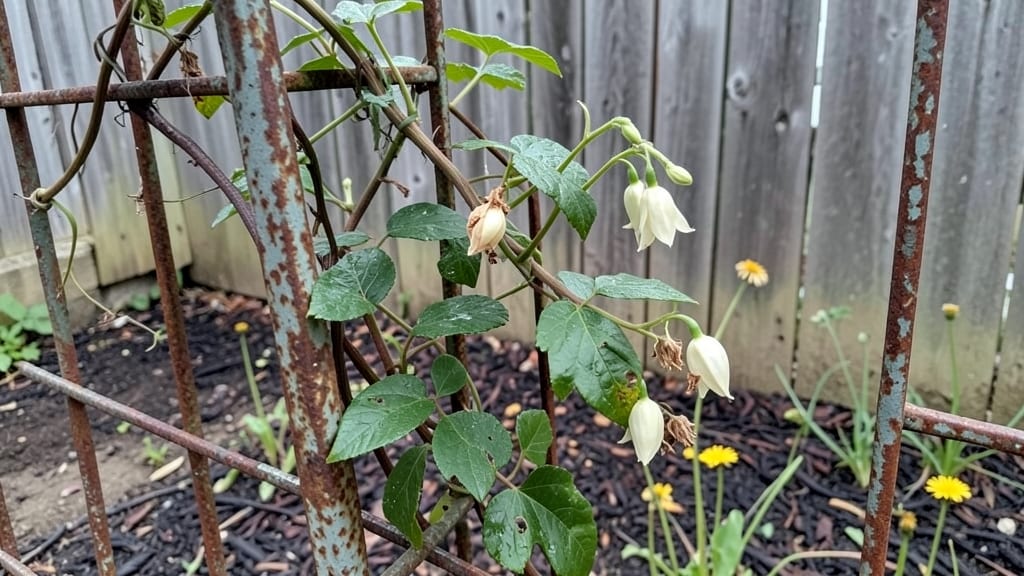
Clematis armandii transforms bare walls into lush, evergreen privacy screens with almost no effort from you. 🌿 I planted mine last spring, and by fall, it had already covered a 10-foot fence—no pruning required.
The real magic? This clematis blooms in winter when most gardens are dormant, filling the air with delicate white flowers that smell faintly of jasmine.
The secret to its success lies in its hardiness and adaptability. Unlike fussy clematis varieties, Armandii thrives in full sun to partial shade, tolerates poor soil, and survives drought once established.
You’ll need well-draining soil and a sturdy trellis or wall for support, but beyond that, it’s one of the most forgiving climbers around. Even in Zone 5 winters, it keeps its glossy leaves and surprises you with spring blooms too.
By next summer, your fence or arbor will be completely obscured by velvety foliage, creating a natural privacy barrier that’s both functional and stunning. The best part? You’ll spend far less time pruning than with traditional clematis varieties.
Just a light trim after flowering keeps it tidy without sacrificing growth. Imagine a garden feature that thrives with minimal maintenance—this is it.
Perfect for urban yards, country estates, or even large containers if you’re working with limited space. Whether you’re covering a chain-link fence or dressing up a brick wall, Armandii delivers lush, year-round interest with almost no fuss.
Let’s get you started with the exact steps that’ll have yours thriving in no time.
📚 In This Guide
- What you need
- Instructions
- Tips and common mistakes
- Wrapping up and next steps
What you need
- ● Clematis armandii plants: 1–3 bare-root or container-grown plants (depending on desired coverage). Choose healthy, disease-free specimens with strong roots.
- ● Well-draining potting mix: 5–10 gallons (for container gardening) or amend garden soil with compost (1 part compost to 3 parts soil) for in-ground planting.
- ● Support structure: For small plants: Trellis or obelisk (4–6 ft tall).
- ● For privacy screens: Wire mesh fence, arbor, or pergola (6–12 ft tall/long).
- ● Organic mulch: 2–3 inches of pine bark, wood chips, or shredded leaves to retain moisture and suppress weeds.
- ● Fertilizer: Balanced fertilizer (10-10-10) for planting.
- ● Slow-release granular fertilizer (e.g., osmocote) for ongoing nutrition.
- ● Pruners: Sharp, sterilized bypass pruners (for clean cuts).
- ● Garden gloves: A pair to protect your hands from thorns.
- ● Watering can or hose: With a gentle spray nozzle for hydration.
- ● Epsom salt: 1 tbsp mixed into soil at planting for magnesium boost.
- ● Copper fungicide: To prevent fungal diseases in humid climates.
- ● Drip irrigation system: For consistent moisture (especially in hot/dry areas).
- ● Plant markers: To label varieties if growing multiple types.
- ● Compost tea: For a natural, nutrient-rich soil amendment.
How to plant and maintain clematis Armandii for stunning year-round privacy
This fast-growing climber delivers lush, evergreen coverage with almost no pruning—here's how to get it thriving.
🌱 Step 1: Choose the Perfect Planting Location
Clematis Armandii thrives in partial shade, especially in hotter climates where full sun can scorch its glossy leaves. Look for a spot with morning sun and afternoon shade—this mimics its natural understory habitat. The plant needs 6-8 feet of vertical space to climb, so position it near a sturdy trellis, fence, or arbor.
Here's the thing—I always check for sheltered spots first. Wind can damage tender new growth, so avoid exposed areas. If you're planting near a wall, leave 12 inches of clearance behind the plant to prevent moisture buildup that causes rot.
🪴 Step 2: Prepare the Soil and Plant Correctly
This clematis tolerates a range of soil types but performs best in well-draining, slightly acidic soil with a pH between 5.5 and 6.5. Amend heavy clay with 2-3 inches of compost mixed into the top 12 inches of soil. For sandy soil, add 1 inch of organic matter like leaf mold or well-rotted manure.
Dig a hole twice as wide as the root ball but only as deep as the container. The crown should sit 1-2 inches below soil level—burying it deeper causes rot, while planting too high stresses the plant. Water the hole thoroughly before inserting the plant to settle the soil.
✂️ Step 3: Install Support and Train the Vines
Install a strong trellis or wire mesh at planting time—these vines grow 6-12 feet annually and need immediate support. I use 3-4 inch diameter wooden posts with horizontal wires spaced 12 inches apart for maximum coverage. Secure the plant by loosely tying the main stems to the support with soft plant ties to avoid damaging the bark.
Don't prune at planting! Let the first year's growth establish naturally. You'll see long, flexible stems that wrap naturally around supports. If any stems grow toward the ground, gently weave them upward—this encourages upward growth for that signature privacy curtain.
💧 Step 4: Water and Fertilize for Optimal Growth
Water deeply once weekly during the first growing season, ensuring the top 12 inches of soil stays consistently moist but not soggy. Clematis Armandii is drought-tolerant once established, but young plants need steady moisture. You'll know it's right when the soil feels like a wrung-out sponge—damp but not dripping.
Apply a balanced 10-10-10 fertilizer in early spring when new growth begins, then again in mid-summer. I always use slow-release granules to avoid burning roots. Avoid high-nitrogen fertilizers—they promote leafy growth at the expense of climbing stems, which is exactly what you don't want for privacy.
☀️ Step 5: Minimal Pruning for Year-Round Beauty
The real magic of this plant is its minimal pruning needs. In early spring, remove only dead, diseased, or crossing branches using clean, sharp pruners. Cut just above a bud facing outward to encourage bushier growth. Never prune more than 10-15% of the plant in any single year—this keeps the dense coverage you planted for.
Watch for suckers at the base—these are vigorous shoots that grow downward. Remove them immediately to redirect energy upward. This is the only regular maintenance needed. In winter, a light dusting of mulch around the base protects roots from freezing temperatures while allowing air circulation to prevent rot.
Tips & tricks for perfect clematis Armandii planting
Here's what nobody tells you about getting Clematis Armandii to thrive with minimal fuss—these are the little details that make all the difference.
Location Secret: The morning sun/afternoon shade rule is non-negotiable in hotter climates. I've seen these plants struggle when planted in full sun—leaves turn yellow and crispy within weeks. If you don't have ideal shade, consider planting near a north-facing wall or using a sheer curtain for afternoon shade. Trust me on this: the glossy leaves you want won't survive full sun exposure.
Soil Prep Strategy: That 2-3 inches of compost for clay soil isn't just about drainage—it's about creating the perfect air pockets for roots to breathe. For sandy soil, I always add a layer of leaf mold at the bottom of the planting hole first. This creates a moisture reservoir that keeps roots happy between waterings. The goal is that "wrung-out sponge" feel mentioned in the instructions, but achieving it starts with the right soil structure from day one.
Support System: The 6-12 feet annual growth rate means your trellis needs to be sturdy from the start. I've learned this the hard way—those 3-4 inch diameter posts are worth every penny. For maximum coverage, I space the horizontal wires every 12 inches vertically, but I also add diagonal supports for wind resistance. This might seem like overkill, but you'll thank me when your privacy screen doesn't collapse in the first strong storm.
Watering Wisdom: The "deeply once weekly" guideline works best with proper soil prep. If your soil drains too quickly, you might need to water twice weekly instead. I test by sticking my finger 2 inches into the soil—if it's dry, it's time to water. The key is keeping that top 12 inches consistently moist without waterlogging. In containers, you'll need to water more frequently, sometimes daily during hot spells.
Pro Tips for Clematis Armandii Plant
- Here's what nobody tells you about getting Clematis Armandii to thrive with minimal fuss—these are the little details that make all the difference.
- Location Secret: The morning sun/afternoon shade rule is non-negotiable in hotter climates.
- Soil Prep Strategy: That 2-3 inches of compost for clay soil isn't just about drainage—it's about creating the perfect air pockets for roots to breathe.
Frequently asked questions
Got questions about Clematis armandii? You’re not alone!
This evergreen climber is a favorite for privacy screens, but it’s natural to wonder about care, growth, and troubleshooting. Below, we’ve rounded up the most common questions—and answers—to help you grow a thriving Clematis armandii with confidence.
How fast does Clematis armandii grow, and when can I expect privacy?
This fast-growing climber can add 3–5 feet per year under ideal conditions (full sun to partial shade, well-drained soil). With consistent care, expect a 10–15-foot-tall privacy screen in 3–5 years. Pro tip: Plant near a sturdy trellis, fence, or arbor to support its rapid vertical growth!
Is Clematis armandii cold-hardy, and how do I protect it in winter?
Yes! This plant thrives in USDA Zones 6–9 and handles winter temps down to -10°F (-23°C). For extra protection in colder zones, mulch heavily (3–4 inches of wood chips or straw) around the base and avoid pruning until spring. Young plants may benefit from a burlap wrap or frost cloth.
When and how should I prune Clematis armandii?
This is the low-maintenance star of clematis! Prune only in late winter or early spring (before new growth appears) to remove dead or crossing branches. Never prune into old wood—it blooms on previous year’s growth. Light shaping is fine, but Clematis armandii tolerates minimal pruning.
What pests or diseases should I watch for with Clematis armandii?
Common issues include:
- Spider mites (dry conditions): Spray with water or use neem oil.
- Clematis wilt (fungal): Improve drainage and avoid overhead watering.
- Aphids: Blast off with water or introduce ladybugs.
Prevent problems by watering at the base, avoiding heavy mulch, and pruning for airflow.
Can I grow Clematis armandii in containers, or is it better for the ground?
While it’s best suited for the ground (it’s a vigorous climber!), you can grow it in a large container (15+ gallons) with well-draining soil and regular watering. Use a trellis or cage for support, and fertilize monthly during growing season. Just know it may outgrow pots faster than expected!
Wrapping up and next steps
The Clematis armandii is a stunning, low-maintenance choice for year-round privacy and beauty—perfect for gardeners who love effortless elegance. With its fragrant blooms, evergreen foliage, and minimal pruning needs, it’s a win-win for both aesthetics and convenience.
Ready to transform your space? Start by selecting the perfect spot, gathering your supplies, and diving into planting—your lush, green haven awaits! 🌿✨