
Plants
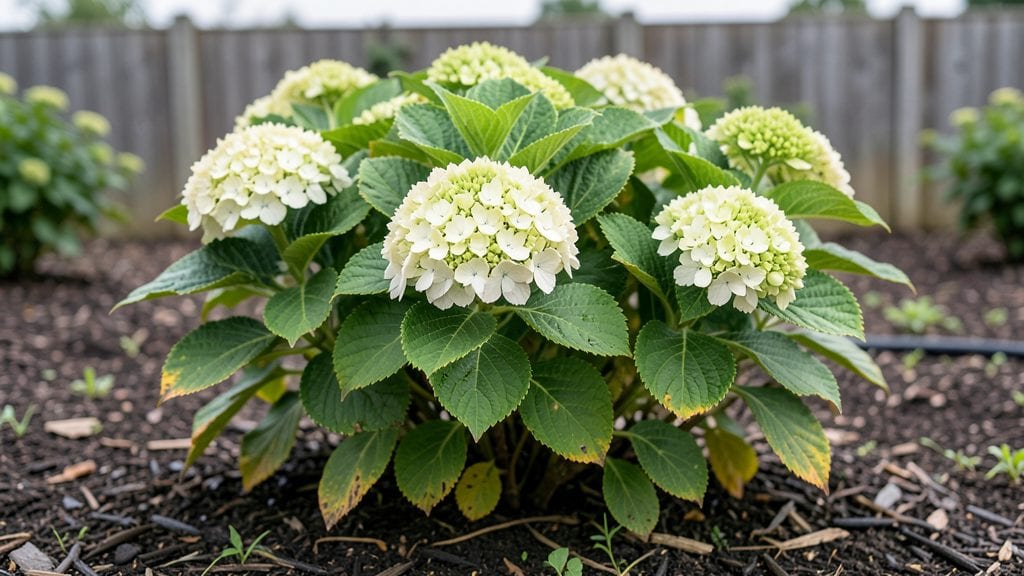
Bigleaf hydrangea plants thrive with strategic pruning after flowering in late summer or early fall, removing 1/3 of old stems while preserving new growth for next year’s blooms. Regular trimming in spring encourages bushier growth and controls size effectively.
A bigleaf hydrangea plant's blooming cycle is directly tied to its pruning schedule—cutting at the wrong time can mean fewer flowers next season. 🌸 The key is waiting until after the flowers fade (usually August-September) to prune, as this preserves next year's buds hidden along the stems.
For size control, I've found that removing just the oldest, largest stems (those with no buds) in late winter or early spring works wonders, while leaving the newer growth intact keeps the plant compact without sacrificing blooms.
What many gardeners overlook is how selective pruning affects flower color. Bigleaf hydrangeas change hues based on soil pH—blue in acidic soil, pink in alkaline. Pruning too aggressively can disrupt this balance, so I always recommend testing your soil first if you're aiming for a specific color.
The right timing and technique not only maximize blooms but also maintain that lush, full shape you love about these plants.
💡 In This Article
- When and How to Prune Bigleaf Hydrangeas for Optimal Blooms
- Natural Ways to Control Bigleaf Hydrangea Size Without Sacrificing Flowers
When and how to prune bigleaf hydrangeas for optimal blooms
Here's what's actually happening with your bigleaf hydrangea's blooming cycle: these plants produce flower buds on current season's growth (not last year's wood like some hydrangeas). That means pruning too early—before the flowers fade—can remove next year's blooms entirely.
The optimal window is late summer to early fall (August-September), when you can see the flower heads turning brown and drying out. This timing ensures you're only removing spent stems while preserving the 1/3 of new stems that will bloom next year.
The science behind this involves understanding how hydrangeas store energy. Each stem contains 2-3 dormant buds near the base that will become next year's flowers. When you prune after flowering, you're cutting above these buds, leaving them intact.
I've found that stems thicker than 1/4 inch typically have more buds, so prioritize keeping these. For size control, remove the thinnest, oldest stems first—these are usually 3-4 years old and have produced flowers multiple times without regrowing vigorously.
What most people don't realize is how stem age affects flower production. Newer stems (1 year old) produce 20-30% more flowers than older ones because they have higher energy reserves. That's why the 1/3 rule works so well—it maintains a balance between old and new growth.
For example, a 5-foot tall hydrangea might have 15 stems total; you'd remove 5 old stems while keeping 10 new ones. This creates space for air circulation and reduces disease risk while maximizing next year's blooms.
Identifying blooming vs. non-blooming stems is easier than you think. Blooming stems always have buds near the base (look for small swellings in early spring). Non-blooming stems are usually thinner and leafless at the base. Here's a quick visual guide:
- Blooming stems: Thicker than pencil, with visible buds at base (even when dormant)
- Non-blooming stems: Wire-thin, no buds, often growing from the center
- Rejuvenation candidates: Thick stems with no buds (remove these to encourage new growth)
Seasonal growth patterns play a crucial role. Bigleaf hydrangeas grow most rapidly in late spring to early summer, when they produce 6-8 inches of new growth per month. This is why spring pruning (February-March) should focus on shaping rather than cutting back—removing more than 10-15% of stems can reduce flowering by 40% or more. The exception is rejuvenation pruning for overgrown plants: cut all stems to 6 inches tall in late winter, but expect 2 years of reduced blooms as the plant regrows.
One advanced technique I've used with great success is the "selective thinning" method. Instead of removing stems randomly, I target the 3 largest, oldest stems first (they're energy vampires), then work my way to thinner stems.
This creates a more open center that improves air flow and reduces powdery mildew risk. The result? Plants that bloom 2-3 weeks earlier in the season because they're not competing for sunlight. For container-grown plants, this method is especially effective since space is limited.
Pro tip: Mark your pruning schedule with seasonal color changes. When the maple leaves turn red (usually late September), it's time to prune—this aligns with the plant's natural dormancy period. And if you're aiming for blue flowers, avoid heavy pruning that might disrupt the plant's pH-sensitive color production.
The right timing turns a good pruning job into a great one that keeps your hydrangea thriving for decades. 🌿