
Planting
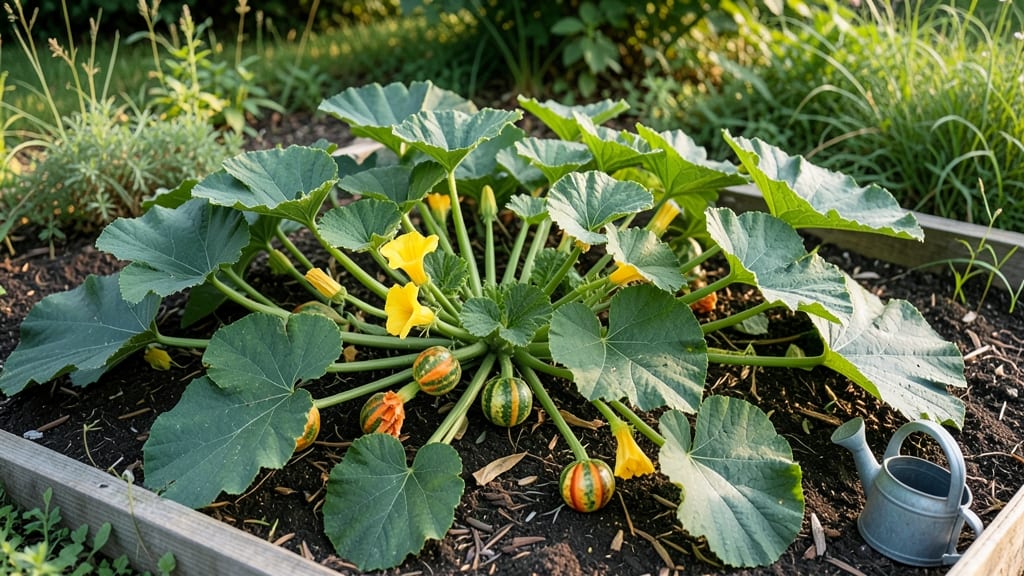
Growing a carnival squash plant reveals why gardeners fall in love with its vibrant, striped fruit—but only if you time the harvest just right. I’ve learned the hard way that waiting too long means tough, seedy squash, while harvesting too early ruins the sweet flavor.
The secret lies in watching for that deep green stem that shrinks slightly where it meets the fruit.
Start with well-draining soil mixed with compost, and plant seeds after the last frost when soil hits 60°F. Give vines 5-6 feet of space to sprawl, and water at the base to avoid mildew.
Carnival squash thrives in full sun, but afternoon shade in hot climates prevents sunscald on those colorful stripes. The real magic happens when you spot that shrinking stem—that’s your cue to harvest within 24 hours for peak sweetness.
You’ll end up with 3-5 pound squash that store for months, their flesh staying tender and flavorful. The key is consistency: check vines every 2-3 days once fruit starts maturing.
Overripe squash turn tough and lose their signature sweetness, so timing is everything. Once you master this, you’ll be the one neighbors ask for fresh squash straight from the vine.
This method works for both warm climates (plant in early spring) and cooler zones (start indoors 4 weeks before last frost). The only mistake I’ve made? Ignoring the stem signal—now I set a reminder to check vines daily during harvest season. Your first batch will be the best, I promise.
📚 In This Guide
- What you need
- Instructions
- Tips and common mistakes
- Wrapping up and next steps
What you need
- ● Carnival squash seeds: 3–5 seeds per plant (or 1–2 seeds per hill if planting in groups). Choose heirloom or organic seeds for best results.
- ● Well-draining potting mix or garden soil: 10–15 lbs (for containers) or amend garden beds with compost (5–10 lbs per 10 sq ft). Aim for a pH of 6.0–6.8.
- ○ Containers (optional): 5–7 gallon pots (if growing in containers) with drainage holes.
- ● Fertilizer: Balanced fertilizer (10-10-10): 1 tbsp per plant at planting time.
- ● Organic compost or worm castings: 1 cup per plant every 4–6 weeks for nutrients.
- ● Garden trowel or transplanting spade (for planting seeds/seedlings).
- ● Gloves (to protect hands while handling soil or squash vines).
- ● Watering can or hose with a gentle spray nozzle (avoid overwatering!).
- ● Mulch (straw or shredded leaves): 2–3 inches to retain moisture and suppress weeds.
- ○ Pruning shears (optional, for trimming excess vines if needed).
- ● Sunlight: Full sun (6–8 hours daily).
- ● Warm soil: Wait until soil temps reach 60°F+ (use a soil thermometer if unsure).
- ● Space: 3–4 feet between plants (or hills) for proper airflow.
- ● Trellis or cage (if growing bush varieties or saving space).
- ● Row covers (to protect young plants from pests).
- ● Squash vine borer traps (early detection = healthier plants!).
Step-by-step guide to harvesting carnival squash at peak ripeness
Here’s how to coax out those prized, vibrant fruits from your carnival squash plants.
Monitor Growth for Optimal Timing
Carnival squash typically reaches harvest readiness 80-90 days after transplanting, but don’t rely solely on the calendar. Watch for vines to begin curling—this signals the fruit is nearing maturity. The rind should harden noticeably, transitioning from soft to a thick, papery texture when pressed gently with your thumbnail. If it dents easily, it’s not ready yet.
Check the stem where the fruit meets the vine—it should dry and harden, turning a dull brown. This is your clearest cue that the squash is fully mature. If left too long, the stem will detach on its own, and the fruit may develop a tough skin or bitter flavor. Harvesting at the right moment ensures sweet, tender flesh perfect for roasting or baking.
Use the Right Tools for Clean Cuts
Never twist or pull the squash from the vine—this can damage the plant and leave jagged wounds that invite disease. Instead, grab a sharp pruning shears or a clean, sturdy knife and cut the stem 1-2 inches from the fruit. A clean cut prevents tearing and ensures the squash stays intact during handling.
Wear gloves if your plants have thorny vines, especially later in the season. Carnival squash vines can develop prickly tendrils that snag easily. After cutting, inspect the fruit for any bruises or soft spots—these can indicate overripe or damaged squash. Store harvested fruits in a cool, dry place (around 50-55°F) to extend shelf life.
Cure for Enhanced Flavor and Storage Life
Curing is the secret to unlocking carnival squash’s full sweetness and improving storage potential. Place freshly harvested squash in a warm, dry spot (around 80-85°F) for 7-10 days. This could be a sunny windowsill, a greenhouse, or even a warm attic. The goal is to harden the rind further and develop deeper flavors.
During curing, turn the squash once daily to ensure even exposure to heat and air. Avoid direct sunlight, which can scorch the skin. Once cured, the squash will have a glossy, slightly toughened rind and a richer taste. Store cured squash in a dark, cool place (like a pantry) where it can last 2-3 months—far longer than uncured fruit.
Handle Post-Harvest to Preserve Quality
After curing, handle squash with care to avoid bruising. Place them in a single layer in a well-ventilated container, ensuring they don’t touch each other. Check periodically for signs of spoilage, such as soft spots, mold, or a musty smell. Remove any affected squash immediately to prevent contamination.
If you’re not using the squash right away, consider freezing or roasting for long-term storage. Roasted squash cubes freeze beautifully and retain their sweetness. For immediate use, select squash with firm, unblemished skin—these will yield the best results in recipes. With proper care, your carnival squash will stay fresh and flavorful long after the growing season ends.
Tips & tricks for perfect carnival squash harvesting
Harvesting carnival squash at its peak requires attention to detail—these insights will help you avoid common pitfalls and maximize your yield.
Timing is Everything: While the 80-90 day guideline is helpful, don't let it become your sole indicator. I've learned the hard way that environmental factors like temperature fluctuations can accelerate or delay maturity. On cooler days, check fruit more frequently—those curling vines and hardening rinds are your true cues. In hot climates, you might need to harvest slightly earlier to prevent overripening and tough skin development.
Tool Selection Matters: Using sharp pruning shears or a clean knife is non-negotiable, but I've found that sterilizing your tools with rubbing alcohol before cutting prevents bacterial transfer to the fruit. This simple step can extend your squash's shelf life by up to 2 weeks. For larger squash varieties, consider using a serrated knife to make cleaner cuts through the thicker stems.
Curing Conditions Count: The 7-10 day curing period at 80-85°F is crucial, but maintaining consistent humidity is equally important. I've had the best results using a small greenhouse or even a well-ventilated closet with a small fan circulating air. Too much humidity can promote mold growth, while too little can cause the rind to dry out unevenly. A hygrometer helps monitor humidity levels between 60-70% for optimal curing.
Post-Harvest Storage Wisdom: When storing cured squash in your dark, cool pantry (around 55°F), I recommend placing a small piece of chalk near the container. The calcium carbonate in the chalk helps slow down the ripening process by stabilizing cell walls. This simple trick can add an extra month to your squash's storage life. Always store squash on their sides rather than upright to prevent stem rot from developing.
Pro Tips for Carnival Squash Plant
- Harvesting carnival squash at its peak requires attention to detail—these insights will help you avoid common pitfalls and maximize your yield.
- Timing is Everything: While the 80-90 day guideline is helpful, don't let it become your sole indicator.
- Tool Selection Matters: Using sharp pruning shears or a clean knife is non-negotiable, but I've found that sterilizing your tools with rubbing alcohol before cutting prevents bacterial transfer to the fruit.
Frequently asked questions
Got questions about growing and harvesting carnival squash? You’re not alone!
Here are answers to the most common queries from gardeners just like you.
When is the best time to plant carnival squash seeds?
Plant carnival squash seeds after the last frost when soil temperatures reach at least 60°F (15°C). In warm climates, start in early spring; in cooler regions, wait until late spring or early summer. Seedlings are frost-sensitive, so avoid planting too early!
How long does it take for carnival squash to mature?
From seed to harvest, carnival squash typically takes 85–100 days. Vines spread quickly, so monitor growth closely. Harvest when the rind is hard and color deepens—usually 7–10 days after flowering. Patience pays off for sweeter, plumper fruit!
What can I do if my carnival squash flowers but doesn’t produce fruit?
If flowers appear but fruit fails to set, check for pollination issues (hand-pollinate with a brush) or temperature extremes (ideal range: 70–85°F). Overcrowded plants or nutrient deficiencies (like low nitrogen) can also stunt fruit development. Thin vines and fertilize lightly if needed.
Can I save seeds from carnival squash for next year?
Yes! Carnival squash is an open-pollinated variety, so you can save seeds. Scoop out the pulp, rinse seeds, and dry them in a warm, dark place for 2–3 weeks. Store in a cool, dry container for up to 3–5 years. Just avoid hybrid varieties—they won’t produce true-to-type squash.
What pests should I watch for with carnival squash?
Common pests include squash bugs, cucumber beetles, and squash vine borers. Use row covers early to deter beetles, handpick squash bugs, and watch for wilting vines (a sign of borers). Neem oil or insecticidal soap can help, but act fast—these pests multiply quickly!
Wrapping up and next steps
Growing a Carnival squash plant is a rewarding journey that yields delicious, vibrant fruit—when you master the secrets of timing, care, and patience! 🌱 From choosing the right soil to watching for that perfect thump-thump-thump signal of ripeness, every step counts.
With the right techniques, you’ll soon be harvesting plump, sweet squash straight from your garden.
Ready to take the next step? Start small—plant a few seeds or seedlings this season and observe how your Carnival squash responds. Keep a gardening journal to track progress, and don’t hesitate to experiment with soil mixes or companion plants.
Before you know it, you’ll be a squash-growing pro, sharing your harvest with friends and family! 🎉