
Blooming
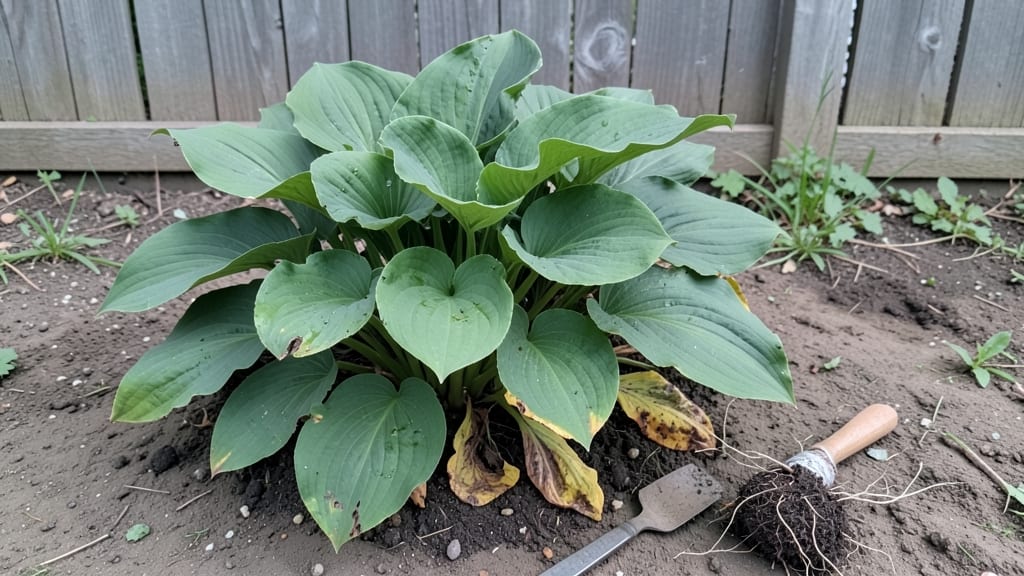
You can plant hostas in the fall in most USDA zones, aiming for 4-6 weeks before the first hard frost to give roots time to settle before winter dormancy while minimizing fungal risks.
Fall planting works best because hostas thrive when they can establish roots before winter's chill sets in. 🌱 The cooler temperatures reduce transplant shock, while the soil stays warm enough for root growth—typically between 50-60°F.
I've found that planting in USDA zones 3-10 gives the best results, as these areas offer the right balance of frost timing and soil conditions. Just avoid planting too close to winter, or the roots won't have enough time to harden off before dormancy begins.
For container-grown hostas, I recommend loosening the roots slightly before transplanting to encourage faster establishment. The key is keeping the soil consistently moist but not soggy—hostas hate sitting in wet conditions.
A 2-3 inch layer of mulch after planting helps insulate the roots and retain moisture, which is especially helpful in drier fall months.
💡 In This Article
- Optimal Fall Planting Zones for Hostas
- Preparing Hostas for Fall Transplant Success
Optimal fall planting zones for hostas
Hostas thrive when transplanted in fall because their root systems benefit from cooler air temperatures while soil remains warm enough for growth—typically between 50-60°F. This temperature range occurs naturally in USDA zones 3-10, creating ideal conditions for root establishment before winter dormancy.
The key is timing: planting too early leaves roots vulnerable to fungal diseases, while planting too late risks insufficient root development before frost. 🌿
In cooler northern zones (3-6), aim to plant 6-8 weeks before first frost—often late August to early September. For example, in USDA zone 5, where average first frost occurs around October 15, planting in late August gives hostas 6-7 weeks to establish.
Southern zones (7-10) can extend planting until October or November, but avoid planting when nighttime temperatures drop below 40°F, which slows root growth.
Soil temperature plays a crucial role in transplant shock prevention. Hostas need soil at least 50°F for root growth, but below 45°F, root development nearly halts. This is why zone 3 gardeners should plant by mid-August—soil temperatures drop below 50°F by early September.
In contrast, zone 9 gardeners can plant until early November as soil stays warm longer. The right timing ensures roots harden off properly before winter.
Climate also affects winter survival. In zones with harsh winters (3-5), hostas need 4-6 weeks of root establishment to develop sufficient carbohydrates for winter dormancy. Without this, plants may yellow or fail to regrow in spring.
Meanwhile, zones 6-10 experience milder winters, allowing slightly later planting—though fungal risks increase if soil stays wet during mild, rainy falls. Mulching with 2-3 inches of organic matter helps regulate soil temperature and moisture.
Regional frost patterns create additional nuances. For instance, zone 7 gardeners in the Appalachians may face earlier frosts than those in the Southeast. Checking local frost dates and soil temperature trends helps refine timing.
I've found that container-grown hostas in zone 8 can sometimes be planted until November 1st, but in-ground plants should go in by October 15th to avoid winter stress. Always prioritize root establishment over late-season growth.
What most gardeners overlook is how transplant shock varies by zone. In zones 3-5, sudden cold snaps can stress newly planted hostas, so a 2-week acclimation period after transplanting helps.
Meanwhile, zones 7-10 may face more fungal pressure from prolonged wet falls, making well-draining soil essential. The right zone-specific timing reduces both risks. ✨