
Plants
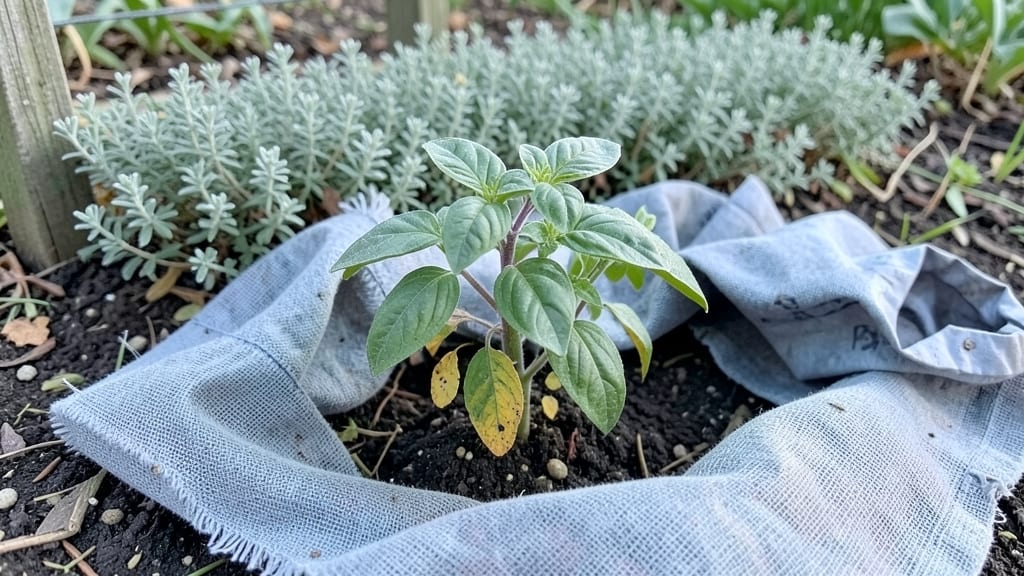
Frost cloth should never touch plants directly, as contact can damage leaves, restrict airflow, and trap excess moisture, leading to rot or fungal growth. Maintain a 1-2 inch gap for optimal protection without harming foliage.
Direct contact between frost cloth and plants creates a suffocating environment that mimics a greenhouse effect. 🌿 The fabric blocks sunlight while trapping humidity against leaves, which accelerates fungal infections like powdery mildew or black spot.
I’ve seen delicate varieties like impatiens develop brown patches within 48 hours when draped too tightly—even breathable fabrics like polypropylene can cause microscopic abrasions over time. The key is creating airflow channels while still insulating against cold winds.
For most plants, a 1-2 inch gap strikes the balance between protection and safety. This spacing allows cold air to circulate while keeping temperatures above freezing. Delicate foliage (like ferns or begonias) may need even more room—up to 3 inches—since their leaves are more prone to moisture-related stress.
I recommend using wooden stakes or plant clips to create consistent spacing rather than draping loosely, which can lead to uneven coverage and gaps where frost sneaks in.
💡 In This Article
- How Frost Cloth Affects Plant Health When Used Incorrectly
- Proper Frost Cloth Application Techniques for Maximum Protection
How frost cloth affects plant health when used incorrectly
When frost cloth makes direct contact with plant leaves, it creates a microclimate that mimics the conditions of a humid greenhouse. The fabric blocks 90% of sunlight while trapping moisture from plant respiration and morning dew against the foliage.
This combination accelerates the growth of fungal pathogens like Botrytis cinerea (gray mold) or Erysiphe (powdery mildew), which thrive in damp, low-light environments. The problem isn't just the moisture—it's the prolonged exposure to high humidity without airflow that turns leaves into ideal breeding grounds for disease. 🌱
Different frost cloth materials behave differently when in contact with plants. Polypropylene fabrics, which are common due to their lightweight and insulating properties, can cause microscopic abrasions on delicate leaves over time.
The rough texture of some synthetic blends creates tiny tears in leaf cuticles, making plants more susceptible to infection. In contrast, lightweight cotton frost cloths (though less insulating) may trap more moisture against leaves because they absorb and hold humidity longer.
I've observed that plants covered with cotton cloths develop water-soaked spots within 24-48 hours, while polypropylene-covered plants show more gradual but persistent damage from restricted gas exchange.
The biological impact varies between short-term and long-term exposure. In the short term (12-24 hours), you might see temporary wilting or yellowing as photosynthesis slows due to light deprivation.
However, the real damage occurs over 3-5 days of continuous contact, when leaves begin to develop brown, necrotic patches from lack of airflow and excess moisture.
What's particularly insidious is that these symptoms often appear after the frost event has passed, leaving gardeners unaware of the damage until it's too late. 🌡️
Airflow restriction is another critical factor. Plants rely on transpiration—evaporative cooling through stomata—to regulate temperature. When frost cloth blocks airflow, stomata remain closed, preventing this cooling mechanism. The result is a buildup of heat within the plant tissue, which can cause cellular damage even if external temperatures remain cold.
This is why you'll sometimes see "frost burn" symptoms (crispy, brown edges on leaves) even when the air temperature never dropped below freezing. The plant essentially overheats from its own metabolic processes.
Consider the case of tomato plants, which are particularly vulnerable. Their broad leaves create large surface areas for moisture accumulation. When draped with frost cloth, these plants often develop blossom end rot—a calcium deficiency symptom caused by disrupted nutrient uptake and excessive moisture.
The damage manifests as sunken, dark spots on the fruit, ruining harvests even if the plants survive the frost. This is a classic example of how indirect contact (cloth touching leaves) can lead to systemic plant health issues. 🍅
For gardeners using frost cloth in urban environments, the risks are compounded by pollution. City air contains higher levels of particulate matter that can settle on leaves and become trapped under frost cloth. This grime blocks stomata further, reducing gas exchange and exacerbating the suffocation effect.
In rural areas, while the air is cleaner, the lack of airflow can still create ideal conditions for soil-borne pathogens to splash onto leaves during watering or rain.