
Diseases
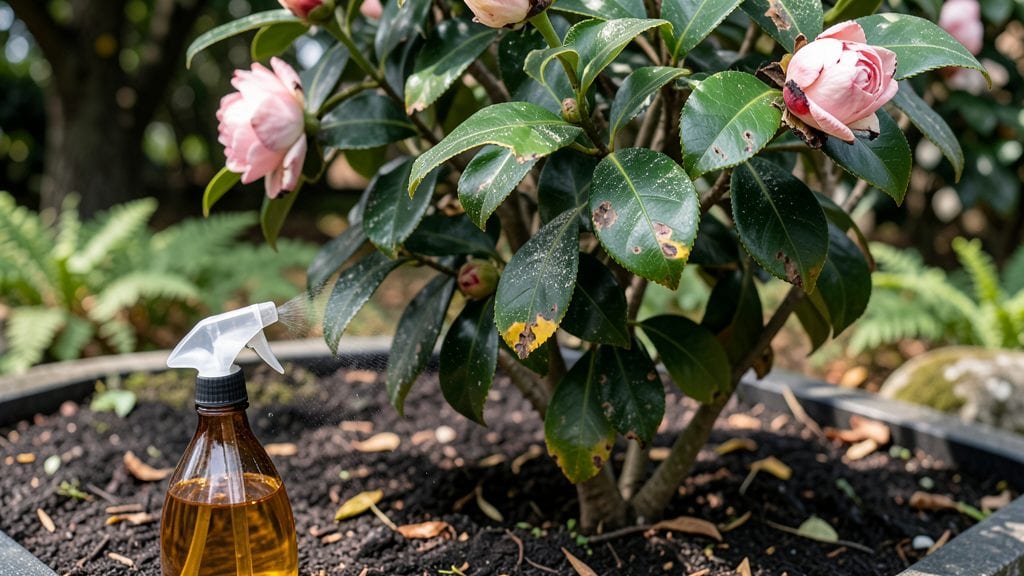
Camellia plant diseases can turn your glossy evergreens into a sad, spotted mess—but I’ve learned to spot the warning signs early, and you can too. 🌿 The moment you notice dark spots on leaves or petals dropping like rain, you’ve got a window to act before the whole plant wilts.
My first camellia nearly died from petal blight, but now I catch it before it spreads.
Most problems start with too much moisture or poor airflow—petal blight thrives in damp petals, while leaf spot loves humid summers. Root rot sneaks in when soil stays soggy for weeks. The good news?
A mix of pruning for airflow, copper fungicide sprays, and keeping mulch away from the trunk keeps these issues at bay. Even my black thumb can save a camellia with these simple fixes.
You’ll see the difference within weeks: leaves stay vibrant, blooms stay intact, and your camellia thrives instead of struggling. The key is acting fast—once diseases take hold, they’re harder to reverse.
I’ll show you exactly which symptoms to watch for and how to treat them organically, so your camellias stay healthy all season.
Works for both old garden camellias and new plants—just adjust the timing based on your climate. Let’s get those plants fighting back before the damage spreads further.
The root causes behind camellia struggles
Camellias are stunning plants, but their health can take a turn for the worse due to a mix of environmental, biological, and even human-related factors. Understanding why these diseases strike is the first step to preventing them. Let’s break down the key culprits in simple, actionable terms.
Fungal diseases—like anthracnose, petal blight, and root rot—are the most common threats to camellias. These microscopic organisms thrive when conditions are just right for them:
- Excessive Moisture: Camellias love humidity, but too much moisture (especially on leaves or soil) creates the perfect breeding ground for fungi.
Fungal spores germinate in damp, stagnant environments, leading to infections like brown blight or gray mold. - Why it happens: Fungal hyphae (thread-like structures) spread rapidly in wet conditions, penetrating plant tissues through natural openings (stomata) or wounds.
- Poor Air Circulation: Dense foliage or overcrowded plants trap moisture, increasing humidity around leaves. This stagnant air prevents water from evaporating quickly, keeping fungal spores active longer.
- Why it happens: Fungi release enzymes that break down plant cell walls, causing lesions, wilting, or even defoliation.
- Warm, Humid Climates: Fungal spores become more aggressive in temperatures between 60–85°F (15–30°C), which is ideal for many camellia-growing regions.
- Why it happens: Heat accelerates fungal metabolism, while humidity keeps spores from drying out.
Pro Tip: 💡 Space plants properly (3–5 feet apart) and avoid overhead watering to reduce fungal risks.
Bacterial diseases, such as bacterial blight or leaf spot, are less common but far more destructive when they appear. Unlike fungi, bacteria multiply rapidly, often within 24–48 hours, causing irreversible damage.
- Wet Foliage: Bacteria like Xanthomonas or Pseudomonas latch onto water droplets on leaves, entering through stomata or wounds.
- Why it happens: These bacteria produce toxins that disrupt plant cell function, leading to water-soaked lesions, yellowing, or blackened stems.
- Contaminated Tools or Pruning Wounds: Even a small cut from shears can be an entry point for bacteria if tools aren’t sterilized.
- Why it happens: Bacteria colonize open wounds, spreading systemically through the plant’s vascular system.
- Stress from Poor Care: Weakened camellias (due to drought, nutrient deficiency, or transplant shock) are more susceptible to bacterial infections.
- Why it happens: Healthy plants have stronger defenses; stress lowers their resistance, making them easy targets.
Pro Tip: ✨ Sterilize pruners with rubbing alcohol (70% isopropyl) between cuts to prevent bacterial spread.
Camellias under environmental stress are prime targets for diseases because their natural defenses weaken. Common stressors include:
- Extreme Temperature Shifts: Sudden cold snaps or heatwaves disrupt the plant’s metabolic processes, making it vulnerable to pathogens.
- Why it happens: Cold stress can damage cell membranes, while heat shock denatures proteins, impairing the plant’s ability to fight infections.
- Improper Watering: Both overwatering (leading to root rot) and underwatering (causing drought stress) create openings for diseases.
- Why it happens: Overwatered soil lacks oxygen, promoting anaerobic bacteria and fungi. Drought-stressed plants have reduced nutrient uptake, weakening immunity.
- Nutrient Deficiencies: Lack of magnesium, nitrogen, or iron weakens cell walls, making them easier targets for pathogens.
- Why it happens: Micronutrients like boron and zinc play roles in cell wall integrity; deficiencies compromise structural defenses.
Pro Tip: 🌡️ Monitor soil moisture with a moisture meter—camellias prefer slightly acidic, well-draining soil (pH 5.5–6.5).
Sometimes, well-meaning gardeners unintentionally invite diseases into their camellia care routine. Common mistakes include:
- Ignoring Sanitation: Using infected mulch, contaminated compost, or reusing pots without cleaning can transfer pathogens.
- Why it happens: Spores and bacteria cling to organic matter, reintroducing them to healthy plants.
- Over-Fertilizing: Excess nitrogen promotes lush, soft growth that’s more susceptible to fungal infections.
- Why it happens: Rapid, tender growth lacks the tough, waxy cuticle of mature leaves, making them easier targets.
- Delaying Pruning: Dead or diseased branches left on the plant harbor pathogens, spreading them to healthy tissue.
- Why it happens: Decaying wood provides a food source for fungi and bacteria, which then migrate to living parts.
Pro Tip: 🎯 Remove and destroy infected leaves immediately (don’t compost them!) to stop the cycle.
While not diseases themselves, pests like scale insects, aphids, and spider mites create wounds that open doors for pathogens.
- Honeydew Residue: Aphids excrete sticky honeydew, which promotes sooty mold (a secondary fungal infection).
- Why it happens: Sooty mold spores thrive on sugary residues, blocking sunlight and further stressing the plant.
- Physical Damage: Chewing insects (e.g., camellia leafrollers) create entry points for bacteria and fungi.
- Why it happens: Open wounds disrupt the plant’s protective barrier, inviting infections.
Pro Tip: 🔥 Use neem oil or insecticidal soap to control pests before they compromise your camellia’s health.
Quick Fixes for Camellia Ailments
Reviving a struggling camellia starts with identifying the root of the problem—and acting fast. Below are practical, step-by-step solutions tailored to the most common diseases, plus prevention tips to keep your plants thriving.
Whether it’s fungal spots, bacterial blight, or pest invasions, these fixes will help you restore health without losing your favorite blooms.
1.
Camellia Leaf Spot (Cercospora or Phyllostica) Cause: Overhead watering, high humidity, or poor airflow. Fix: 🔥 Remove infected leaves – Snip off yellow/brown spots with sterilized pruners (soak in 10% bleach solution for 10 mins) and dispose of them in the trash (not compost). 🍳 Apply fungicide – Spray with a copper-based fungicide (like Bordeaux mixture) or a neem oil solution (2 tbsp neem oil + 1 tsp mild soap per gallon of water).
Reapply every 7–10 days until new growth appears. 👨🍳 Improve airflow – Thin out dense foliage and space plants 3–4 feet apart. Avoid mulching too close to the stem. ⏰ Water at the base – Use drip irrigation or water early in the morning to let leaves dry quickly.
💡 Prevention Tip: ✨ Sanitize tools after pruning and avoid wetting leaves during watering. If your climate is humid, consider a fan on low speed near the plants.
2. Petal Blight (Anthracnose)
Cause: Wet petals from rain or overhead sprinklers, especially during bloom season. Fix: 🔥 Deadhead blighted flowers – Remove affected blooms immediately (they’re contagious!). Wear gloves to avoid spreading spores. 🍳 Fungicide treatment – Use a chlorothalonil-based fungicide (like Daconil) before buds open in spring.
Follow label instructions for frequency. 🔪 Prune for airflow – Cut back overcrowded branches to reduce humidity in the canopy. 🌡️ Adjust watering – Water only at the soil level and avoid late-day watering (wet petals overnight = disease buffet).
💡 Prevention Tip: ✨ Choose resistant varieties like Camellia japonica ‘Yuletide’ if petal blight is recurrent in your area.
3. Bacterial Blight (Pseudomonas)
Cause: Wounds from pruning, pests, or hail, combined with moisture. Fix: 🔥 Prune infected branches – Cut 6 inches below blackened or oozing lesions with sterilized shears.
Bag and dispose of prunings. 🍳 Copper spray – Apply a copper fungicide (like CuPro) every 10–14 days to prevent spread. 🌡️ Reduce stress – Bacterial blight thrives on weak plants. Fertilize lightly (use a balanced 10-10-10 in early spring) and water deeply but infrequently. 🔪 Avoid overhead watering – Switch to soaker hoses or drip systems to keep foliage dry.
💡 Prevention Tip: ✨ Sterilize tools between cuts—bleach or rubbing alcohol works. If blight appears yearly, consider removing severely infected plants to protect others.
4. Scale, Spider Mites, or Camellia Leaf Gall
Cause: Weak plants attract pests, which then transmit diseases like sooty mold. Fix: 🔥 Blast off pests – Spray plants with a strong stream of water to dislodge scale and mites.
Repeat every 3–4 days for 2 weeks. 🍳 Insecticidal soap or horticultural oil – Mix 1 tbsp mild castile soap or horticultural oil per gallon of water.
Spray under leaves where pests hide. 👨🍳 Introduce beneficial insects – Release ladybugs or predatory mites to control spider mites naturally. 🔪 Prune heavily infested branches – If galls or scale are severe, cut them out and burn or trash them.
💡 Prevention Tip: ✨ Encourage natural predators by planting marigolds or dill nearby. Neem oil (applied monthly) deters pests without harming pollinators.
If your camellia is wilting, dropping buds, or looking generally sad, try this emergency care plan:
- Check the roots – Gently loosen soil to see if roots are rotting (black/mushy = overwatering). If so, reduce watering and improve drainage.
- Repot if needed – If roots are circling or soil is compacted, move to a larger pot with well-draining mix (50% peat, 30% pine bark, 20% perlite).
- Boost nutrients – Use a slow-release fertilizer (like Osmocote) in spring and a micronutrient spray (like Sea90) for yellowing leaves.
- Adjust light – Too much sun = leaf scorch; too little = weak growth. Morning sun + afternoon shade is ideal.
- 🌡️ Monitor humidity – Aim for 40–60%.
Use a dehumidifier in greenhouses or space plants apart. - 💧 Water wisely – Deep and infrequent wins. Drip irrigation > sprinklers. - 🌿 Prune properly – Remove deadwood in late winter (before new growth) and sterilize tools. - 🍄 Test soil – pH 5.5–6.5 is ideal.
Adjust with sulfur (to lower pH) or lime (to raise it). - 🌱 Quarantine new plants – Keep them separate for 2 weeks to spot diseases early.
Remember: Early action is key! The sooner you spot and treat issues, the easier it is to save your camellia—and keep those stunning blooms coming year after year. 🌸
Frequently asked questions
What are the most common signs my camellia has a fungal disease?
Look for dark, irregular spots on leaves (often with yellow halos) or brown patches on petals. Fungal diseases like petal blight or leaf spot also cause premature leaf drop. Check the undersides of leaves for fuzzy mold growth—this is a sure sign of fungal activity.
Can I use household items to treat camellia diseases instead of store-bought sprays?
Yes! Mix 1 tablespoon baking soda with 1 teaspoon mild dish soap and 1 gallon of water for a mild fungicide. For bacterial issues, a copper penny rinse (soak in water for 24 hours) works as a natural copper spray. Always test on a small area first.
How do I know if my camellia has root rot versus just dry soil?
Gently pull back the mulch and check for black, mushy roots—this is root rot. Healthy roots are firm and white. If the soil smells sour or the plant wobbles easily, it’s likely overwatered. For dry soil, the top inch should feel dry before watering again.
Will pruning help prevent diseases in my camellia?
Prune in late winter to remove dead or crowded branches, improving airflow. Sterilize your tools with rubbing alcohol between cuts, and avoid cutting into old wood—this reduces entry points for pathogens.
Can camellia diseases spread to other plants in my garden?
Yes, especially fungal spores that travel via wind or water. Isolate infected plants immediately and clean tools between uses. Avoid overhead watering to prevent splashing spores onto healthy plants.