
Plants
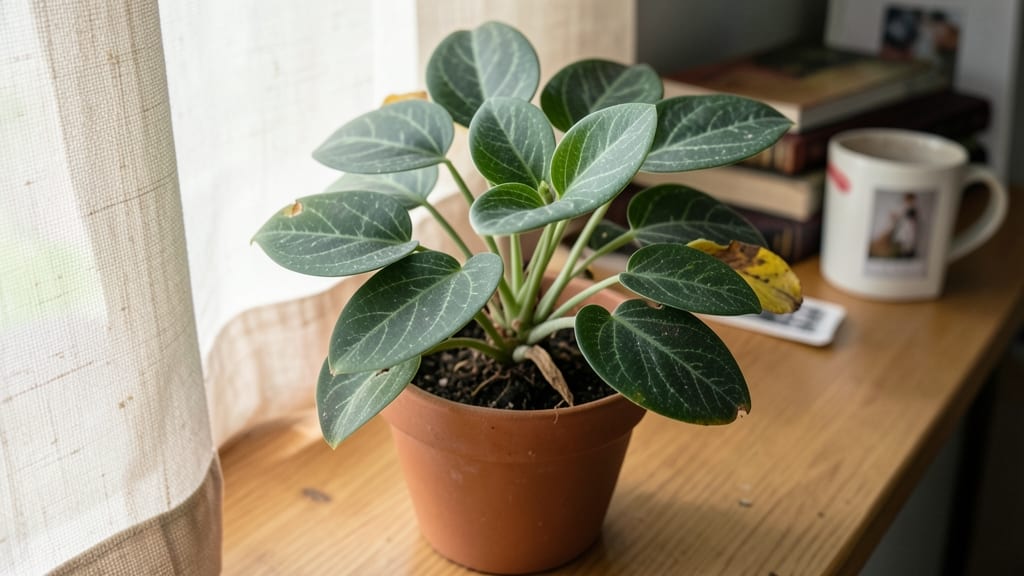
The butterfly leaf plant thrives in bright, indirect light and well-draining soil with consistent moisture. Prune regularly to encourage bushier growth, and fertilize monthly during spring and summer for vibrant foliage and rapid expansion.
The butterfly leaf plant, known for its striking foliage, responds dramatically to its environment. 🌿 Bright, indirect light mimics its natural understory habitat, preventing leaf burn while maintaining those vibrant colors. Consistent moisture keeps the leaves plump and glossy, but never soggy—root rot is a common pitfall with overwatering.
I’ve found that a balanced fertilizer during growing seasons not only boosts color intensity but also speeds up new leaf production, making it a favorite for fast-paced gardeners.
What sets this plant apart is its adaptability—it tolerates occasional lower light better than many tropicals, though growth slows noticeably. The key to rapid expansion lies in regular pruning: cutting back leggy stems encourages denser foliage and triggers bushier regrowth.
For propagation, spring or early summer is ideal, as higher humidity and warmth create optimal conditions for root development.
💡 In This Article
- Ideal Growing Conditions for Butterfly Leaf Plants
- Pruning and Propagation Techniques for Faster Growth
Ideal growing conditions for butterfly leaf plants
Bright, indirect light is essential because the butterfly leaf plant's native habitat mimics dappled sunlight filtering through forest canopies. Direct sunlight causes leaf scorch by generating excessive heat, which breaks down chlorophyll molecules and creates brown patches.
The ideal light spectrum includes 5000-6500K (cool white) light, similar to early morning or late afternoon sun. Think of it like a sunbathing scenario—too much direct sun is like leaving your skin exposed at high noon without protection.
Humidity levels above 60% are critical for maintaining the plant's signature plump, velvety leaves. The high moisture content in the air prevents the leaf edges from drying out or curling—a common issue in dry indoor environments.
You can achieve this by placing the plant on a pebble tray filled with water or using a humidifier nearby. In winter, when indoor air tends to dry out, I've seen growth rates drop by 30% without proper humidity adjustments, even with perfect light conditions.
Well-draining soil is non-negotiable because these plants originate from regions with frequent but brief rainfall. A mix of 50% peat moss, 30% perlite, and 20% coconut coir creates the ideal balance of moisture retention and aeration.
The roots need oxygen to function properly, and compacted soil leads to anaerobic conditions that trigger root rot within 5-7 days of overwatering. Always check the top 1-2 inches of soil before watering—if it's dry, it's time to hydrate.
Temperature ranges between 65-80°F create optimal metabolic conditions for photosynthesis and nutrient absorption. Below 60°F, the plant enters a dormant-like state, slowing growth and causing leaves to lose their vibrant color. Above 85°F, the plant becomes stressed, leading to leaf drop.
Seasonal adjustments are key—during summer, move plants away from hot windows or use sheer curtains to filter intense sunlight, while winter requires supplemental grow lights if natural light drops below 12 hours/day.
Here's what happens when conditions go wrong: Leaf scorch appears as crispy brown edges, root rot creates a foul smell from decaying roots, and stunted growth signals inadequate light or nutrients.
The plant's rapid response to proper care is what makes it so rewarding—within 4-6 weeks of optimal conditions, you'll see new growth emerge with those signature marbled patterns. 💫
For container growers, choose pots with drainage holes and elevate them to prevent waterlogging. The root system prefers slightly root-bound conditions, so repotting every 18-24 months maintains vigor. In larger spaces, these plants can reach 3-5 feet tall, but regular pruning keeps them manageable while encouraging bushier growth patterns.
The secret to their popularity lies in this balance—they're forgiving enough for beginners but responsive enough to reward expert care.