
Diseases
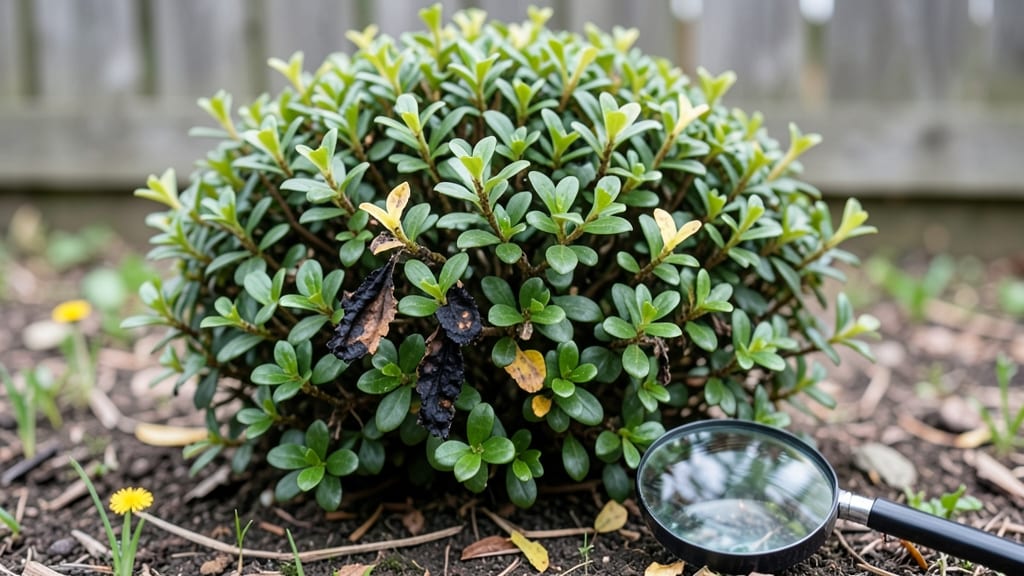
Boxwood plant diseases can turn your neatly trimmed hedges into a sad, brown mess if you don’t catch them early. 🌿 I’ve seen box blight, leaf spot, and root rot destroy perfectly healthy shrubs in just a few weeks—and the key to saving them is knowing what to look for and acting fast.
The worst offenders usually start with tiny dark spots on leaves or a fuzzy gray mold creeping across branches. Improper watering, crowded plants, or old mulch left too close to stems create the perfect breeding ground.
But here’s the good news: most boxwood diseases respond well to early treatment, whether you’re using organic sprays or targeted fungicides.
Once you spot the first signs, you’ll be able to prune out infected areas, adjust your watering schedule, and apply the right treatment to stop the spread. Within weeks, your boxwoods can bounce back to their usual lush, green glory—just like mine did after last year’s close call.
This works for both hedges and standalone shrubs, and the same principles apply whether you’re dealing with box blight or leaf spot. Let’s get those plants healthy again before the problem gets worse.
Underlying Triggers Explained
Boxwoods are tough plants, but they’re not immune to stress and pathogens. When diseases strike, it’s usually because one or more of these key factors create the perfect storm for trouble.
Understanding why these issues arise is half the battle—because once you know the root cause, you can stop it before it spreads. Let’s break down the science behind the most common culprits.
Boxwoods thrive in well-draining soil, but when they sit in soggy conditions, their roots suffocate. Here’s why this happens:
- Fungal Feast: Excess moisture creates the ideal environment for Cylindrocladium (boxwood blight) and Phytophthora root rot. These fungi love damp, stagnant soil—think of it as an all-you-can-eat buffet for pathogens.
- Root Asphyxiation: Compacted or clay-heavy soil traps water around roots, cutting off oxygen. Without oxygen, roots weaken, making the plant more susceptible to infections.
- Pest Partnership: Slugs and snails (also moisture-lovers) chew on weakened leaves, creating entry points for bacterial and fungal invaders.
Pro Tip: 💡 Test your soil’s drainage by digging a 12-inch hole, filling it with water, and timing how long it takes to drain. If it’s still wet after 6 hours, amend with compost or sand.
Fungal diseases like Volutella blight and Anthracnose don’t just appear—they hitchhike on wind, rain, or even your gardening tools. Here’s how they take hold:
- Spores Love Humidity: Fungal spores germinate when humidity stays above 75% for 48+ hours. Overhead watering (especially in the evening) keeps foliage damp, giving spores a direct highway into the plant.
- Wounded Leaves = Open Doors: Pruning cuts, insect damage, or even hail can create microscopic tears in leaves. Spores land on these wounds and infect within hours.
- Old Debris = Disease Reservoirs: Leaving infected leaves or clippings in the garden lets spores overwinter and reinfect next season. One infected plant can contaminate an entire hedge.
Pro Tip: ✨ Sterilize pruners with 70% isopropyl alcohol between cuts, and never compost diseased plant material—burn or trash it instead.
Boxwoods under siege from pests (like boxwood leafminers or spider mites) are far more vulnerable to diseases. Here’s the chain reaction:
- Leafminers Create Highways: These tiny larvae tunnel through leaves, creating moist, protected microclimates where bacteria like Pseudomonas syringae thrive.
- Mites Disrupt Photosynthesis: Spider mites suck sap, causing stunted growth and yellowing. A weakened plant can’t fight off infections as effectively.
- Honeydew = Sticky Trap: Aphids and scale insects excrete honeydew, a sugary substance that attracts sooty mold—a secondary fungus that clogs stomata (leaf pores) and blocks gas exchange.
Pro Tip: 🎯 Monitor plants weekly for white webbing (mites) or serrated leaf edges (leafminers). A strong blast of water can knock off mites, and neem oil disrupts leafminer life cycles.
Boxwoods prefer consistent conditions, but sudden temperature swings stress them out. Here’s how cold or heat becomes a disease trigger:
- Freeze Damage: A hard frost can rupture cell walls, creating entry points for Botrytis (gray mold). The fungus then feeds on the damaged tissue, causing brown, mushy spots.
- Heat Stress + Drought: When roots can’t absorb water fast enough, leaves wilt and dry out. This makes them 3x more likely to succumb to bacterial leaf spot.
- Winter Desiccation: Dry winter winds evaporate moisture from evergreen boxwoods faster than they can replace it, leading to needle blight.
Pro Tip: 🌡️ Mulch with 3–4 inches of organic matter (like shredded bark) to insulate roots. In winter, use burlap windbreaks to shield plants from drying winds.
Most boxwood diseases are preventable once you address these triggers. The key? Proactive care—good drainage, clean tools, pest control, and smart watering. Next up, we’ll dive into how to spot these issues early so you can act before they spread.
Quick Fixes for Common Boxwood Ailments
When your boxwoods show signs of distress, acting fast can mean the difference between a full recovery and losing them forever. Below, we’ve mapped out practical, step-by-step solutions for the most common boxwood diseases, along with prevention tips to keep your plants thriving.
Think of this as your emergency repair manual—no green thumb required!
Cause: Cylindrocladium or Volutella fungi thrive in damp, shaded conditions, causing brown, sunken lesions on leaves and stems.
🔥 How to Treat It
- Prune the Problem Areas 🔪
- Use sterilized pruners (wipe with rubbing alcohol between cuts) to remove all infected leaves and stems, extending ½ inch below the lesion.
- Dispose of clippings in the trash (not compost)—fungi can survive in soil.
- Fungal Spray Blitz 💦
- Apply a copper-based fungicide (like Copper Soap) or neem oil spray every 7–10 days for 4–6 weeks.
- For severe cases, try propiconazole (a systemic fungicide) as a last resort.
- Boost Airflow & Light 🌬️☀️
- Thin out overgrown branches to improve circulation.
- If possible, move plants to a sunnier spot (but avoid harsh afternoon sun).
💡 Prevention Tips
- Water at the base (avoid overhead sprinkling).
- Space plants 3–4 feet apart to reduce humidity.
- Avoid mulching too close to stems (keep 2–3 inches away).
Cause: Phytophthora or Pythium fungi attack roots and stems in waterlogged soil, causing wilting, yellowing, and blackened stems.
🍳 How to Rescue Your Boxwoods
- Check the Soil 🏞️
- Dig around the base—healthy roots are white; rotten roots are mushy and brown.
- If soil is soggy, improve drainage by amending with perlite or sand.
- Fungicide Drench 💧
- Mix 1 tbsp hydrogen peroxide (3%) per gallon of water and pour it into the soil at the base.
- For severe cases, use phosphite-based fungicides (like Aliette) every 2 weeks.
- Prune & Propagate Healthy Cuttings 🌿
- Cut back dead stems to healthy green tissue.
- Take sterile cuttings from unaffected parts and root them in sterile potting mix to save the plant.
🌡️ Prevention Tips
- Plant in well-draining soil (avoid clay-heavy areas).
- Install drainage pipes if your yard floods easily.
- Space plants properly to prevent overcrowding.
Cause: Larvae of the boxwood leafminer moth burrow into leaves, creating blistered, white trails and stunted growth.
👨🍳 How to Kick Them Out
- Handpick & Destroy 🕷️
- Shake plants over a bucket in the morning to spot adult moths or larvae.
- Drop them into soapy water to kill them.
- Spray with Insecticidal Soap 🧼
- Mix 1.5 tbsp mild castile soap per gallon of water and spray both sides of leaves every 5–7 days.
- For worse infestations, use Bacillus thuringiensis (Bt)—a natural bacterial spray.
- Introduce Beneficial Insects 🐞
- Ladybugs and lacewings love leafminers. Buy them online or attract them with neem oil sprays.
✨ Prevention Tips
- Install yellow sticky traps near plants to catch adult moths.
- Remove fallen leaves (larvae pupate in leaf litter).
- Apply diatomaceous earth lightly on leaves (reapply after rain).
No matter the issue, these all-purpose fixes can help your plants bounce back:
| Step | Action | Frequency |
|---|---|---|
| Fertilize Lightly | Use a balanced 10-10-10 fertilizer or compost tea in spring. | Once in early spring |
| Mulch Properly | Apply 2–3 inches of organic mulch (avoid piling against stems). | Once a year |
| Deep Watering | Water slowly at the base (1 inch per week) to encourage deep roots. | As needed (dry spells) |
| Sterilize Tools | Wipe pruners with rubbing alcohol before and after use. | Every cut |
Final Pro Tip: 🎯 When in doubt, quarantine! If you’re unsure about a disease, isolate the affected plant until you diagnose it to prevent spread.
Now grab your gloves, follow these steps, and watch your boxwoods bounce back stronger than ever! 🌿💪
Frequently asked questions
What are the first signs of boxwood blight?
Look for small, dark brown or black spots with yellow halos on leaves, followed by a fuzzy gray mold on stems. These spots often appear on the undersides of leaves first and spread quickly in damp conditions.
Can I save a boxwood with root rot?
Yes, but act fast! Prune away all blackened stems, improve soil drainage by mixing in perlite or sand, and apply a phosphite fungicide like Aliette. For severe cases, propagate healthy cuttings to save the plant.
Why do my boxwoods get leaf spots even with proper care?
Leaf spots often appear due to overhead watering or high humidity (above 75% for 48+ hours). Always water at the base and space plants 3–4 feet apart to improve airflow. Fungal spores spread easily in these conditions.
How do I know if my boxwood has leafminers or just disease?
Leafminers create white, blistered trails inside leaves, while diseases show brown spots with yellow edges. Shake plants over a bucket in the morning—if you see tiny worms or moths, it’s leafminers.
Are chemical fungicides safe for boxwoods?
Yes, but use them selectively. Copper-based fungicides (like Copper Soap) and phosphites (Aliette) are effective and safe when applied as directed. Always follow label instructions and avoid spraying in extreme heat.