
Landscaping
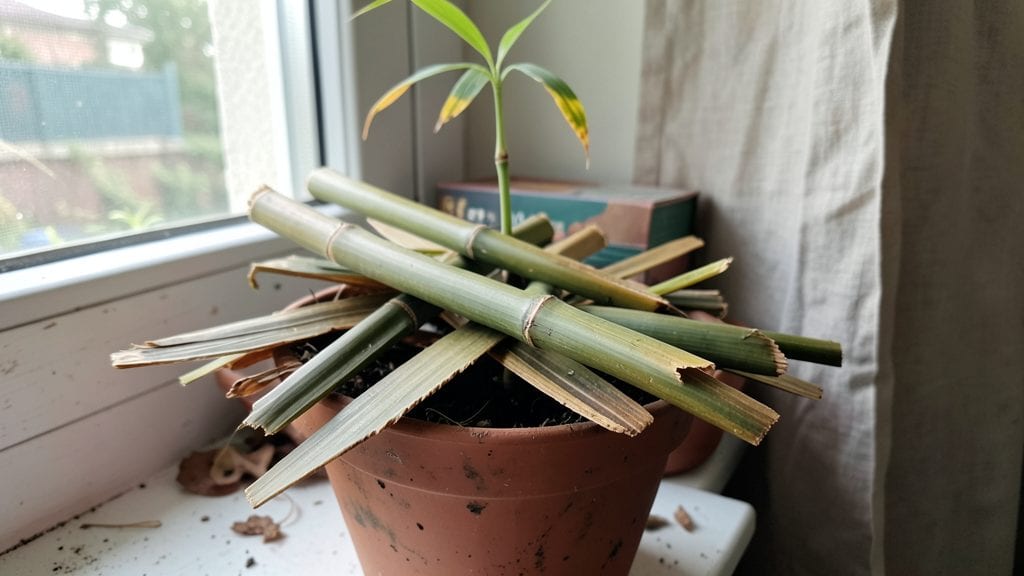
A bamboo plant fence transforms your yard into a serene, wind-resistant retreat without the noise or expense of traditional fencing. I planted mine last spring, and the way it sways gracefully in storms—while still blocking the neighbor’s view—has been a game-changer.
The right bamboo type makes all the difference: clumping varieties stay contained, while running types need root barriers to prevent takeover.
You’ll need about 10-15 plants per 10-foot section, spaced 3-4 feet apart for a dense screen. Most bamboo thrives in full sun to partial shade, and it grows 3-5 feet per year, so you’ll see quick results.
The best part? It’s a one-time investment that pays off for decades with minimal upkeep—just an annual pruning to shape it and remove dead canes.
By summer’s end, you’ll have a lush, rustling barrier that muffles traffic noise and softens harsh winds. The foliage stays vibrant year-round in warmer climates, and even in colder zones, the canes provide structure and texture through winter.
Plus, it’s a wildlife magnet—birds nest in the branches, and bees pollinate nearby flowers.
Whether you’re lining a property edge, creating a backyard retreat, or shielding a patio from gusts, bamboo delivers privacy and beauty without the maintenance of wood or vinyl. Just pick the right type for your climate, and let nature do the rest.
📚 In This Guide
- What you need
- Instructions
- Tips and common mistakes
- Wrapping up and next steps
What you need
- ● Bamboo poles: 10–20 poles (depending on fence length and height). Choose clumping bamboo (non-invasive) for safety. Specs: 3–6 inches in diameter, 6–10 feet tall.
- ● Post-hole digger or auger (for securing corner/end posts).
- ● Concrete mix (for anchoring posts): 5–10 bags (50 lbs each), depending on soil stability.
- ○ Galvanized or bamboo stakes (optional, for temporary support during installation).
- ● Bamboo ties or zip ties (for securing poles to posts): 20–50, depending on fence size.
- ● Landscape fabric (to block weeds): 1 roll (4–6 feet wide).
- ○ Mulch or gravel (optional, for base coverage): 1–2 bags.
- ● Measuring tape
- ● Shovel or spade
- ● Level
- ● Hammer or mallet
- ● Drill (for pre-drilling tie holes, if needed)
- ● Safety gloves and goggles
- ● Wheelbarrow (for mixing concrete)
- ● String line and stakes (for marking layout)
- ● Site prep: Clear debris, mark fence layout with stakes, and ensure proper spacing (1–2 feet between poles for flexibility).
- ● Weather check: Aim for a dry, mild day to avoid soggy soil or concrete issues.
- ● Local regulations: Verify if permits are needed for tall fences (some areas restrict heights).
- ● Bamboo care: Water newly planted bamboo regularly for the first 2–3 weeks to encourage root growth.
How to plant a bamboo fence for natural privacy and wind resistance
This method gives you a lush, wind-resistant screen that thrives year-round with minimal maintenance.
Choose the Right Bamboo Variety and Planting Location
Select clumping bamboo varieties like Bambusa multiplex or Fargesia robusta—they stay contained and won’t spread aggressively. Avoid running bamboo unless you’re prepared for rhizome barriers. Plant in full sun to partial shade, where the soil stays consistently moist but well-drained. A south-facing border gets the best growth, but these plants tolerate light shade if morning sun is available.
Test your soil’s drainage before planting. Dig a hole and fill it with water—if it drains slower than 15 minutes, amend with 2-3 inches of coarse sand mixed into the top 12 inches of soil. Bamboo roots need oxygen, and soggy soil leads to root rot. Mark your planting line with wooden stakes and string to ensure a straight, uniform fence.
Dig Holes and Prepare the Soil
Dig holes twice as wide as the root ball and 6 inches deeper than the container. For 4 plants, you’ll need 4 holes spaced 3-5 feet apart—closer spacing creates a denser screen faster. Loosen the soil at the bottom of each hole with a garden fork to encourage root penetration. If your soil is heavy clay, mix in 1 part compost into the hole’s bottom 6 inches to improve aeration.
Remove plants from their containers and gently tease apart the roots if they’re circling. Soak the root ball in lukewarm water for 10 minutes before planting to reduce transplant shock. Place each plant in its hole so the top of the root ball sits 1 inch below soil level—this prevents stem rot from sitting water.
Plant and Water for Immediate Stability
Backfill the hole with native soil, tamping lightly every 2 inches to eliminate air pockets. Water deeply to settle the soil, then add a 2-inch layer of mulch around each plant (but not touching the stem). Use wood chips or straw—they retain moisture and suppress weeds. After planting, water again until the soil is 6 inches deep and evenly moist. You’ll need about 1 gallon per plant for the first watering.
Stake each plant with 3-foot bamboo stakes tied loosely to the stem. This prevents wind rock while roots establish. Avoid tight ties—they can girdle the stem as the plant grows. In windy areas, add a second stake on the opposite side for extra support. Check stakes after 4-6 weeks and remove them once plants are firmly rooted.
Maintain Growth for a Dense, Wind-Resistant Screen
Water 1-2 times per week during the first growing season, keeping the soil evenly moist but not soggy. Mature bamboo tolerates drought once established, but young plants need consistent moisture. You’ll know it’s time to water when the top 2 inches of soil feel dry. Fertilize in early spring with a balanced 10-10-10 fertilizer, applying ½ cup per plant. Avoid high-nitrogen fertilizers—they promote leafy growth at the expense of structural strength.
Prune in late winter or early spring before new growth begins. Remove any dead or damaged canes at the base with clean, sharp pruners. Thin out 10-20% of the oldest canes each year to encourage new growth and maintain density. For a uniform height, trim the tops of all canes by ⅓ in mid-summer after the main growth flush. This prevents the fence from becoming too tall and top-heavy in wind.
Protect and Enjoy Your Living Windbreak
In winter, apply a 3-inch layer of mulch around the base to insulate roots from freezing temperatures. Bamboo is hardy in USDA Zones 5-10, but young plants benefit from extra protection in colder climates. Watch for bamboo borers—small holes in the stem indicate an infestation. Treat with neem oil spray if you spot signs, applying it in early morning to avoid harming beneficial insects.
Your bamboo fence will reach full privacy height (6-10 feet) in 3-5 years, depending on the variety and growing conditions. Once established, it requires almost no maintenance—just occasional pruning to shape and remove dead canes. The natural wind resistance comes from the plant’s flexible stems, which bend rather than break in storms. Enjoy your low-maintenance, eco-friendly screen that outperforms traditional fencing in both beauty and durability.
Tips & tricks for perfect bamboo fence planting
A few key insights will help you create a thriving bamboo fence that stands up to wind and weather for years to come.
Soil Drainage Test: The 15-minute drainage test in Step 1 is non-negotiable. If your soil drains slower, that's your cue to amend with sand—don't skip this step. I've seen bamboo plants fail within months because of poor drainage. The roots need oxygen just as much as water, and soggy soil suffocates them. For heavy clay soils, consider creating raised beds instead of amending in place.
Root Preparation: That 10-minute lukewarm water soak before planting makes all the difference. It helps reduce transplant shock by pre-hydrating the roots. I've learned this the hard way after watching plants wilt dramatically when planted dry. Gently teasing apart circling roots also prevents girdling—a common issue that strangles new growth. Take your time here; it's worth the extra few minutes.
Staking Strategy: When you're staking in Step 3, use soft plant ties or even old fabric strips instead of wire. Wire can cut into the stems as they grow, leaving permanent scars. I've had to remove stakes from plants that were already established because the wire had embedded itself. Check the stakes every 2-3 weeks during the first growing season to ensure they're not too tight.
Pruning Timing: The late winter/early spring pruning in Step 4 is crucial for maintaining density. But here's what nobody tells you—if you prune too early, you'll cut back new growth that's just starting. Wait until you see fresh green shoots emerging before you start thinning. And when you trim the tops by ⅓ in mid-summer, do it after the main growth flush, not before. This ensures you're not removing potential growth points.
Pro Tips for Bamboo Plant Fence
- A few key insights will help you create a thriving bamboo fence that stands up to wind and weather for years to come.
- Soil Drainage Test: The 15-minute drainage test in Step 1 is non-negotiable.
- Root Preparation: That 10-minute lukewarm water soak before planting makes all the difference.
Frequently asked questions
Got questions about bamboo plant fences?
You’re not alone! Here are some of the most common concerns—and practical answers—to help you plan with confidence.
How fast does a bamboo fence grow, and when can I expect privacy?
A bamboo fence can grow 3–5 feet per year, depending on the species. If you plant it in spring, you’ll likely see noticeable height by summer. For full privacy (6–8 feet tall), expect 1–2 years of growth. Pro tip: Clumping bamboo (like Bambusa multiplex) grows slower than running types, making it a great choice for controlled privacy.
Is a bamboo fence more expensive than wood or vinyl?
Upfront costs vary, but bamboo is often mid-range compared to traditional fences. Running bamboo (like Phyllostachys) can be cheaper initially but may require containment barriers to prevent spreading. Clumping bamboo or pre-made bamboo fence panels cost more but offer long-term savings on maintenance (no painting/staining!). Compare local lumberyard prices—some sell bamboo in bundles for $10–$30 per stalk.
How well does bamboo handle wind and storms?
Bamboo is naturally wind-resistant due to its flexible, hollow stalks, but proper installation is key. Plant stakes 3–4 feet deep and use rebar or bamboo ties to secure taller varieties. For coastal areas, choose hardy species like Bambusa vulgaris and lean stalks slightly into the wind. Warning: Running bamboo in high-wind zones may need additional staking to prevent toppling.
Will a bamboo fence attract pests like rodents or insects?
Bamboo is low-maintenance and pest-resistant, but deer and rabbits may nibble young shoots. Use deer repellent sprays or plant deterrents like lavender or rosemary nearby. Termites rarely affect bamboo (unlike wood), but keep the base elevated to prevent moisture buildup. Fun fact: Bamboo’s natural oils often repel pests—nature’s built-in protection!
What’s the best alternative if bamboo spreads too aggressively?
If running bamboo is too invasive, try these low-spread alternatives:
- Clumping bamboo: Grows in tight clusters (e.g., Bambusa multiplex or Fargesia species).
- Privacy shrubs: Boxwood, arborvitae, or Leyland cypress for dense, controlled growth.
- Vinyl or composite fencing: No growth, but lacks bamboo’s eco-friendly charm.
- Living walls: Trellises with clematis or ivy for a softer look (slower privacy).
For a middle ground, opt for pre-made bamboo fence panels—they mimic the look without the spread.
How do I stop bamboo from spreading into my neighbor’s yard?
Running bamboo spreads via rhizomes (underground roots), so containment is critical. Install a 30-inch deep underground barrier (plastic, metal, or concrete) at least 2 feet beyond the fence line. For existing spreads, dig up rhizomes 6–12 inches deep and remove them. Pro tip: Check local laws—some areas regulate invasive species like Phyllostachys.
Wrapping up and next steps
A bamboo plant fence isn’t just a stylish addition to your property—it’s a practical, eco-friendly solution for year-round privacy and wind resistance. Whether you’re drawn to its natural beauty, low maintenance, or sustainability, this fast-growing option delivers both function and curb appeal. Ready to transform your outdoor space?
🌿 Next steps:
- Start small: Plant a section to test growth and drainage in your soil.
- Consult a pro: For large installations, a landscaper can help with spacing and containment.
- Enjoy the process: Watch your living fence thrive—it’s a rewarding project!