
Companion Plants
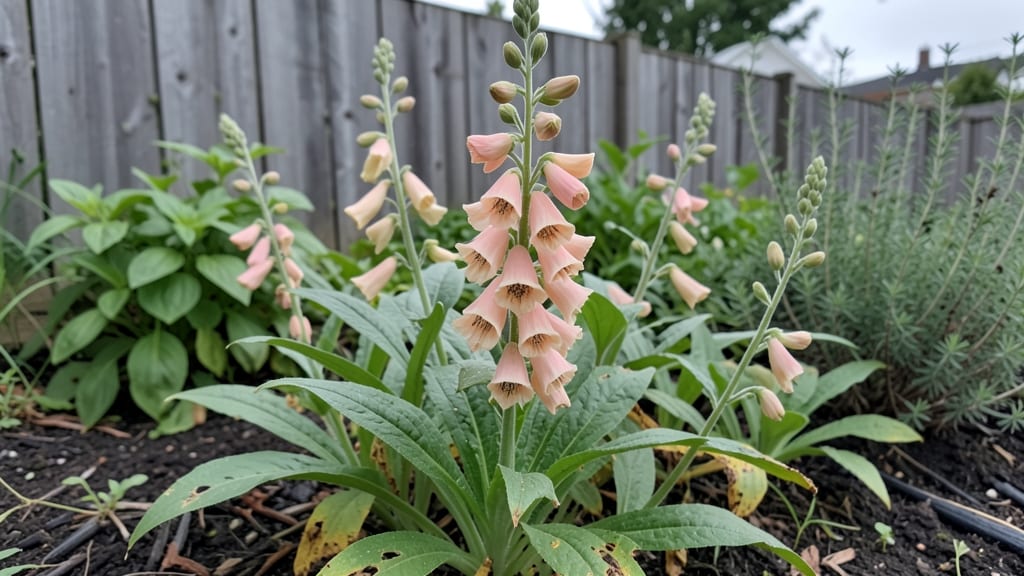
These apricot foxgloves plants near your apricot trees aren’t just a pretty pairing—they’re a pest-deterring powerhouse that keeps your orchard thriving. 🌿 The soft apricot blooms of Digitalis purpurea 'Apricot Foxglove' don’t just add color; their presence confuses aphids and other sap-suckers that target your fruit trees, giving you more energy to enjoy harvests instead of battling infestations.
The secret to making this combo work lies in matching their needs: foxgloves love partial shade, just like young apricot trees, and they're happy in well-draining soil that apricot roots appreciate too.
Plant them 12-18 inches away from tree trunks where their deep roots won't compete with shallow apricot feeder roots. A light mulch layer keeps moisture consistent for both plants while suppressing weeds.
By midsummer, you'll see those distinctive bell-shaped flowers swaying in the breeze, their apricot hue creating a stunning contrast against the tree's green foliage. The foxgloves grow 3-4 feet tall, perfect for adding vertical interest without overwhelming your fruit trees.
Their late-summer bloom time extends your garden's color season just when many other perennials are fading.
This pairing works especially well in USDA zones 3-8, where apricot trees thrive. For container gardens, choose dwarf foxglove varieties and pair them with patio apricot varieties. The foxgloves will naturally self-seed, creating a low-maintenance ground cover that keeps pests away year after year.
📚 In This Guide
- What you need
- Instructions
- Tips and common mistakes
- Wrapping up and next steps
What you need
- ● Apricot Tree Seedlings or Saplings: 1-2 dwarf or semi-dwarf varieties (e.g., ‘Goldcot’ or ‘Blushcot’) for easier maintenance.
- ● Ensure they’re disease-resistant (ask your nursery for certified stock!).
- ● Foxglove Seeds or Plants: 5-10 foxglove seeds (Digitalis purpurea) or 3-5 young plants (biennial or perennial varieties).
- ● Choose tall varieties (2-4 feet) for better pest deterrence.
- ● Well-Draining Soil: 6-8 bags of compost (for nutrient-rich soil).
- ● 1-2 bags of perlite or sand (to improve drainage for apricot trees).
- ● Organic Mulch: 4-6 cubic feet of wood chips or straw (to retain moisture and suppress weeds).
- ● Garden trowel
- ● Pruning shears (sterilized with rubbing alcohol)
- ● Watering can or hose with a gentle spray nozzle
- ● Garden gloves (to protect from thorns or sap)
- ○ Optional but helpful: Soil pH tester (apricots prefer 6.0-7.0)
- ● Compost thermometer (for seed-starting warmth)
- ● Drip irrigation kit (for consistent moisture)
- ● Full-sun location (6+ hours of sunlight daily).
- ● Space: At least 8-10 feet between apricot trees and 1-2 feet around foxgloves.
- ● Access to water (drip system or hose nearby).
- ● Patience! Apricot trees take 3-5 years to bear fruit, while foxgloves establish in 1-2 years.
How to pair apricot trees with foxglove for natural pest control
This companion planting strategy leverages foxglove’s natural repellent properties while enhancing your apricot tree’s health.
🌱 Step 1: Select the Right Apricot Tree Variety and Planting Site
Choose a dwarf or semi-dwarf apricot tree for container or small-space gardens, or a standard variety for larger plots. Apricot trees thrive in full sun (6-8 hours daily) and well-draining soil with a pH of 6.0-7.0. Avoid low-lying areas where cold air settles, as apricots are frost-sensitive.
Test your soil’s drainage by digging a 12-inch hole—if water pools after 30 minutes, amend with compost or sand. Foxglove prefers similar conditions but tolerates partial shade, making it ideal for underplanting near the tree’s drip line where sunlight filters through.
🌿 Step 2: Plant Foxglove Strategically Around the Tree’s Base
Space foxglove plants 12-18 inches apart in a ring around the apricot tree’s perimeter, starting 2 feet from the trunk. This creates a natural barrier against pests like aphids and deer while allowing the tree’s roots to expand. Foxglove’s tall spikes (up to 4 feet) also provide shade for shallow roots during summer.
Plant foxglove seeds in early spring or fall, pressing them ¼ inch deep into moist soil. Germination takes 2-4 weeks, so keep the area consistently damp until seedlings appear. Avoid overcrowding—foxglove spreads via self-seeding, so thin seedlings to 10-12 inches apart once established.
💧 Step 3: Water and Fertilize the Pairing for Optimal Growth
Water the apricot tree deeply 2-3 times per week during the first year, ensuring the soil stays moist to a depth of 12 inches. Foxglove is drought-tolerant once established but benefits from 1 inch of water weekly during dry spells. Use drip irrigation to avoid wetting foxglove leaves, which can attract fungal diseases.
Apply a balanced 10-10-10 fertilizer in early spring and again after harvest, following label instructions. Apricot trees need more phosphorus and potassium for fruit production, while foxglove thrives with minimal feeding. Mulch the base with 2-3 inches of organic mulch to retain moisture and suppress weeds, keeping it 6 inches away from the tree trunk.
✂️ Step 4: Prune and Maintain for Long-Term Harmony
Prune apricot trees in late winter or early spring, removing dead, crossing, or diseased branches while the tree is dormant. Thin out some foxglove stems annually after flowering to prevent overcrowding and improve air circulation. Deadhead spent foxglove blooms to redirect energy into root growth and next year’s flowers.
Watch for signs of stress: yellowing foxglove leaves signal overwatering, while curled apricot leaves may indicate aphid infestations. If pests appear, spray both plants with a neem oil solution (1 tbsp per gallon of water) in the evening to avoid harming beneficial insects. Foxglove’s natural toxins deter many garden pests, reducing the need for chemical interventions.
☀️ Step 5: Harvest and Enjoy the Benefits
Apricot trees produce fruit in their 2nd or 3rd year, with peak harvest in mid-to-late summer. Pick fruit when it easily detaches from the tree and has a slight give when pressed. Foxglove’s presence near the tree deters squirrels and birds, which often raid apricot crops.
Allow some foxglove seeds to drop naturally to encourage self-seeding and expand your pest-repellent border. By autumn, the foxglove’s tall spikes will have faded, but its roots will continue suppressing weeds and improving soil structure. This pairing not only enhances your harvest but also creates a stunning, low-maintenance garden display.
Tips & tricks for perfect apricot-foxglove pairings
Between us, this companion planting combo works wonders—but only if you nail the details. Here’s how to elevate your pest-free garden from good to exceptional.
Soil Preparation Secret: The 30-minute drainage test in Step 1 is non-negotiable. If water lingers after that time, mix in 1/3 compost and 1/3 coarse sand to create that ideal crumbly texture apricot roots crave. Foxglove’s shallow roots benefit from this same amendment, though they’re more forgiving about drainage. I’ve seen foxglove thrive in slightly heavier soil, but apricots will sulk and develop root rot if neglected.
Planting Geometry Matters: That 2-foot buffer from the trunk in Step 2 isn’t arbitrary—it gives your apricot’s shallow feeder roots room to breathe while keeping foxglove’s pest-repellent canopy close enough to work. For larger trees, expand this ring to 3 feet to match the drip line. Pro tip: Plant foxglove in a slight arc rather than a perfect circle to create natural pathways for maintenance.
Watering Wisdom: The 2-3 times weekly rule for apricots applies only to the first year. After establishment, reduce to once weekly deep waterings—foxglove’s drought tolerance means you’ll actually need less water overall. The key is getting that 12-inch soil depth moist; use a screwdriver to test penetration resistance. If it feels dry at 6 inches, water again. Morning watering prevents fungal issues on foxglove leaves.
Fertilizer Strategy: That 10-10-10 recommendation is perfect for apricots, but foxglove barely needs feeding. Here’s my compromise: Apply the fertilizer 6 inches away from foxglove plants to avoid root competition. For established pairings, switch to organic compost tea every 6 weeks—it feeds both plants without overpowering either.
Pro Tips for Apricot Foxgloves Plants
- Between us, this companion planting combo works wonders—but only if you nail the details.
- Soil Preparation Secret: The 30-minute drainage test in Step 1 is non-negotiable.
- Planting Geometry Matters: That 2-foot buffer from the trunk in Step 2 isn’t arbitrary—it gives your apricot’s shallow feeder roots room to breathe while keeping foxglove’s pest-repellent canopy close enough to work.
Frequently asked questions
Got questions about growing apricot trees alongside foxglove plants? You’re in the right place! Here are some of the most common queries—plus quick, practical answers to keep your garden thriving.
Do foxgloves really repel pests from apricot trees?
Yes! Foxgloves (Digitalis purpurea) naturally deter aphids, beetles, and even deer with their milky sap and strong scent. Plant them within 3–5 feet of your apricot tree for maximum pest control. Just avoid overcrowding—they’ll compete for nutrients.
How long does it take for foxgloves to start repelling pests?
Foxgloves grow quickly but need 6–8 weeks to establish strong roots and foliage. Once mature (about 2–3 months after planting), they’ll actively repel pests. For faster results, start with established plants rather than seeds.
Can foxgloves handle the same conditions as apricot trees?
Both thrive in full sun to partial shade and well-draining soil, but foxgloves tolerate cooler climates better. Apricot trees need USDA Zones 5–9 with protection from harsh winds. If you’re in Zone 4, grow foxgloves in containers near the tree.
What if foxgloves don’t grow well in my garden?
Try these alternatives:
- Garlic chives – Deter pests with their scent.
- Marigolds – Repel nematodes and aphids.
- Nasturtiums – Trap pests away from apricot leaves.
Are foxgloves safe around pets or children?
No!
All parts of foxgloves are highly toxic if ingested. Keep them in elevated planters or fenced-off garden sections. Opt for pet-friendly alternatives like lavender or rosemary if safety is a concern.
Wrapping up and next steps
Growing apricot trees alongside foxglove plants isn’t just smart—it’s a game-changer for your garden! 🌿 These companions deter pests naturally, boost pollination, and create a thriving ecosystem with minimal effort. Whether you’re a seasoned gardener or just starting, this pairing proves that teamwork makes the harvest sweeter.
Ready to put theory into action? Start small—plant a few foxgloves near your apricot tree and observe the magic unfold. Before you know it, you’ll be reaping a pest-free bounty while enjoying the beauty of nature’s perfect match! 🌸