
Blooming
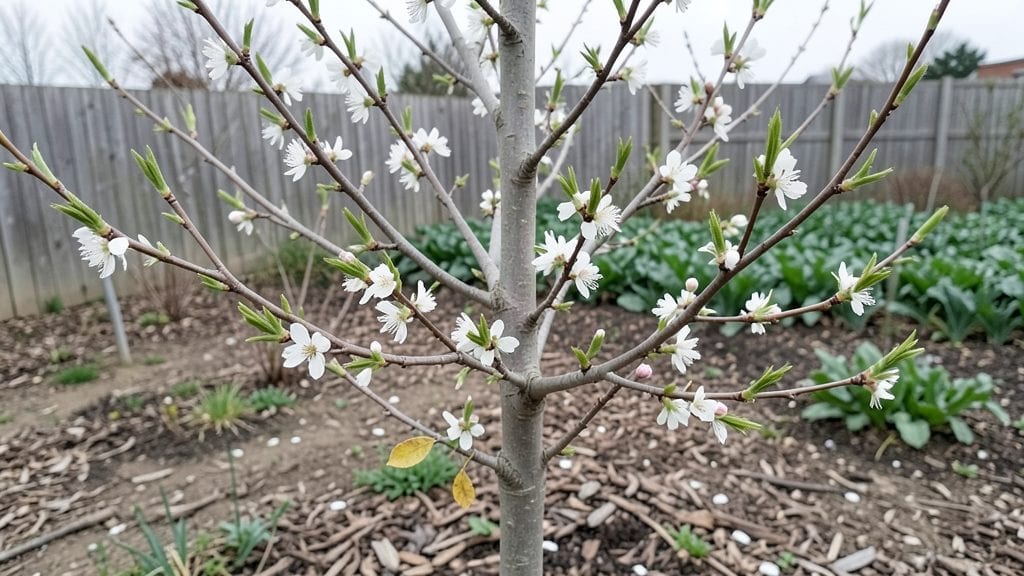
Growing an almond blossom plant transforms your yard into a fragrant springtime masterpiece. 🌸 I planted mine last fall, and now my garden bursts with delicate pink flowers that smell like heaven in March.
The secret isn't just timing—it's matching the right soil, water, and sunlight to coax those blossoms into full bloom.
You'll need well-draining soil, a sunny spot with at least 6 hours of light daily, and patience—almond trees take 3-5 years to flower fully. But once they do, you'll have fragrant blooms that attract bees and fill the air with a sweet, nutty scent.
The trees also produce edible nuts later in the season, though they're not as sweet as store-bought varieties.
Pruning in late winter keeps the tree healthy and encourages more blossoms. I cut back any dead branches and shape the tree to let sunlight reach the center.
The first flush of flowers appears in early spring, and with proper care, they'll return year after year. Your neighbors will be jealous of that showstopping display.
Perfect for warm climates (USDA zones 5-9), these trees thrive in containers too if you live in colder areas. Just move them indoors before frost hits. The key is consistency—water deeply once a week during dry spells and fertilize lightly in early spring.
You'll have a garden that smells as good as it looks.
📚 In This Guide
- What you need
- Instructions
- Tips and common mistakes
- Wrapping up and next steps
What you need
- ● Almond blossom plant: 1–3 Prunus dulcis (almond tree) saplings or seeds (choose between sweet or bitter varieties)
- ○ Optional: Dormant bare-root trees (available in winter for spring planting)
- ● Soil: Well-draining, slightly acidic to neutral soil (pH 6.0–7.5)
- ● 50% native soil + 50% organic matter (compost, aged manure, or coconut coir)
- ● Fertilizer: Balanced 10-10-10 or 20-20-20 granular fertilizer (1–2 cups per tree)
- ○ Optional: Slow-release organic fertilizer (e.g., alfalfa pellets)
- ● Garden trowel or shovel
- ● Pruning shears (sterilized with rubbing alcohol)
- ● Watering can or hose with a gentle spray nozzle
- ● Mulch (straw, wood chips, or pine needles—3–4 inches thick)
- ○ Optional: Drip irrigation system (for consistent moisture)
- ○ Optional: Tree stakes + soft ties (if planting in windy areas)
- ● Full sun exposure (6+ hours daily)
- ● Space: Mature trees need 20–30 feet of clearance (dwarf varieties: 10–15 feet)
- ● Climate note: Hardy in USDA Zones 5–9 (protect young trees in colder zones with burlap wraps)
How to grow and care for an almond blossom tree
Here's how to bring that dreamy springtime charm indoors year-round with a fragrant almond blossom tree.
🪴 Step 1: Choose the Right Container and Soil
Select a 5-gallon pot with drainage holes—almond trees need room for their roots to spread. I use a mix of 60% potting soil, 30% perlite, and 10% compost to create a well-draining, nutrient-rich base. The perlite prevents waterlogging, which almond trees hate.
Fill the pot about 2 inches from the top with your mix, then tap the container gently to settle the soil. This ensures no air pockets remain, giving roots the stable foundation they need. If you're repotting an existing plant, remove it from its current pot and gently loosen the root ball before placing it in the new container.
☀️ Step 2: Plant and Position for Light
Place your almond tree in the center of the pot, ensuring the root ball sits 1-2 inches below the rim. Fill the remaining space with soil, pressing lightly to remove air gaps. Water thoroughly until it drains from the bottom holes—this helps settle the soil around the roots.
Almond trees thrive in full sun, so position your tree near a south-facing window or under a grow light for 6-8 hours daily. If you notice leaves stretching toward the light, your tree needs more brightness. Rotate the pot a quarter turn weekly to encourage even growth.
💧 Step 3: Water and Maintain Humidity
Water your almond tree when the top 2 inches of soil feel dry—about once a week in winter and every 3-4 days in summer. Overwatering is the fastest way to kill these trees, so always check moisture before watering. Use room-temperature water to avoid shocking the roots.
Mist the leaves lightly 2-3 times a week to maintain humidity, especially in dry indoor air. You'll know the humidity is right when the soil stays consistently moist but not soggy. In winter, keep the pot on a tray of pebbles with water to add extra moisture to the air around the tree.
✂️ Step 4: Prune and Encourage Blooms
Prune your almond tree in late winter or early spring before new growth begins. Remove any dead, damaged, or crossing branches with clean, sharp pruners. Cut just above a bud or branch junction to encourage healthy regrowth. This step is critical—it keeps the tree shaped and promotes better flowering.
Fertilize lightly once a month in spring and summer with a balanced 10-10-10 fertilizer. Reduce feeding in fall and winter. You'll see new growth and buds forming within a few weeks if the tree is happy. Watch for pink or white blossoms in early spring—they’re your reward for proper care!
🌿 Step 5: Overwinter for Next Year’s Blooms
As temperatures drop below 50°F, move your almond tree to a cooler spot with indirect light. Reduce watering to once every 10-14 days and stop fertilizing entirely. This dormancy period mimics outdoor conditions and helps the tree store energy for next year’s blooms.
Keep an eye out for pests like spider mites or aphids—wipe leaves with a damp cloth if you spot any. If you notice yellowing leaves, it’s usually a sign of overwatering or low light. Adjust your care routine accordingly, and your tree will bounce back beautifully in spring.
Tips & tricks for perfect almond blossom plant care
Here's what I wish I knew before bringing my almond blossom tree indoors—these tricks make all the difference between a struggling plant and one that bursts into springtime beauty year-round.
Soil Mix Matters: The 60-30-10 soil blend is non-negotiable for almond trees. I've tried cheaper mixes, and within weeks, the roots start to rot from waterlogging. If you can't find perlite, substitute with coarse sand—just make sure it's clean and sterile. The key is that mix must drain water within 15-20 minutes after watering. Test this by filling a spare pot with your mix and pouring water—if it drains faster, you're good to go.
Light Positioning Secret: That 6-8 hours of daily light is critical, but placement matters more than most people realize. South-facing windows work, but if your tree starts stretching toward the light (a condition called etiolation), it's not getting enough. I've found that rotating the pot a quarter turn weekly encourages even growth—this simple habit prevents lopsided trees. For indoor grow lights, position them 6-12 inches above the tree for optimal coverage.
Watering Wisdom: The "top 2 inches dry" rule is perfect, but here's the catch: stick your finger in the soil—if it feels damp just below your first knuckle, wait another day. I've ruined three almond trees by overwatering, and the yellowing leaves are always the first sign. In winter, when you reduce to every 10-14 days, check the soil first—sometimes it needs watering sooner, especially in dry indoor air. Room-temperature water is non-negotiable; cold water shocks the roots.
Pruning Pro Tip: When you prune in late winter, don't just cut dead branches—look for branches growing toward the center of the tree. These "crossing branches" compete for sunlight and nutrients. Cutting them just above a bud (where you see a slight bump) encourages outward growth. I've found that pruning in early March gives the tree time to recover before spring blooming season. And here's a bonus: the pruned branches make great starter material for propagating new trees!
Pro Tips for Almond Blossom Plant
- Here's what I wish I knew before bringing my almond blossom tree indoors—these tricks make all the difference between a struggling plant and one that bursts into springtime beauty year-round.
- Soil Mix Matters: The 60-30-10 soil blend is non-negotiable for almond trees.
- Light Positioning Secret: That 6-8 hours of daily light is critical, but placement matters more than most people realize.
Frequently asked questions
When do almond blossoms bloom, and how long do they last?
Almond blossoms typically bloom in late winter to early spring (February–March in most U.S. zones), depending on your climate. The flowers last 7–10 days, but their fragrance lingers for weeks, filling the air with a sweet, delicate scent. Early bloomers may face frost risk—watch local forecasts and consider lightweight frost cloth if needed!
Can I grow an almond tree indoors, or does it need outdoor space?
Almond trees (Prunus dulcis) are not ideal for indoor growing—they need full sun (6+ hours/day), well-draining soil, and outdoor winters to thrive. However, you can grow dwarf varieties in containers outdoors or try ornamental almond cultivars (like ‘Antioch’) in pots for patios. For true indoor beauty, consider almond-scented jasmine (Jasminum polyanthum), a fragrant vine that mimics the aroma!
Why aren’t my almond blossoms opening, or are they falling off?
Blossoms may fail to open or drop due to cold snaps, drought, or poor pollination. Check these fixes:
- Frost damage: Almonds bloom early—protect with row covers if temps dip below 28°F.
- Water stress: Keep soil consistently moist (not soggy) during bloom.
- Pollinators: Plant near bees’ favorite flowers (lavender, clover) or hand-pollinate with a soft brush.
- Nutrient deficiency: Apply balanced fertilizer (10-10-10) in early spring.
If issues persist, your tree may need pruning for better airflow.
What are some low-maintenance alternatives to almond blossoms?
If almond trees seem high-maintenance, try these fragrant, easy-care bloomers:
Plant
Bloom Time
Care Level
Fringe Tree (Chionanthus)
Late spring
(Drought-tolerant, deer-resistant)
Mock Orange (Philadelphus)
Mid-to-late spring
(Thrives in partial shade)
Japanese Cherry (Prunus serrulata)
Early spring
(Needs well-draining soil)
Sweetbox (Sarcococca)
Winter (yes, winter!)
(Shade-loving, evergreen)
Pro tip: Sweetbox blooms when almonds are dormant—perfect for year-round fragrance!
Are almond blossoms safe for bees and other pollinators?
Almond blossoms are a critical early-season food source for bees, especially in California’s Central Valley (where 80% of the world’s almonds grow). To support pollinators:
- Plant native companion flowers (e.g., lupine, ceanothus) nearby.
- Avoid neonicotinoid pesticides—they harm bees.
- Leave some blossoms unpruned to ensure pollinator access.
Bonus: Almond trees also attract butterflies and hummingbirds!
Wrapping up and next steps
The almond blossom plant brings a touch of spring’s magic to any garden, offering fragrant beauty and year-round appeal. Whether you’re a seasoned gardener or just starting, its low-maintenance nature makes it a rewarding choice—just ensure proper sunlight, soil, and watering to keep those delicate blooms thriving. 🌸
Ready to transform your space? Start by selecting the perfect variety, prepping your soil, and planting with care. Before you know it, your garden will be alive with the sweet scent of almond blossoms—your next step is just a shovel’s toss away!