
How To
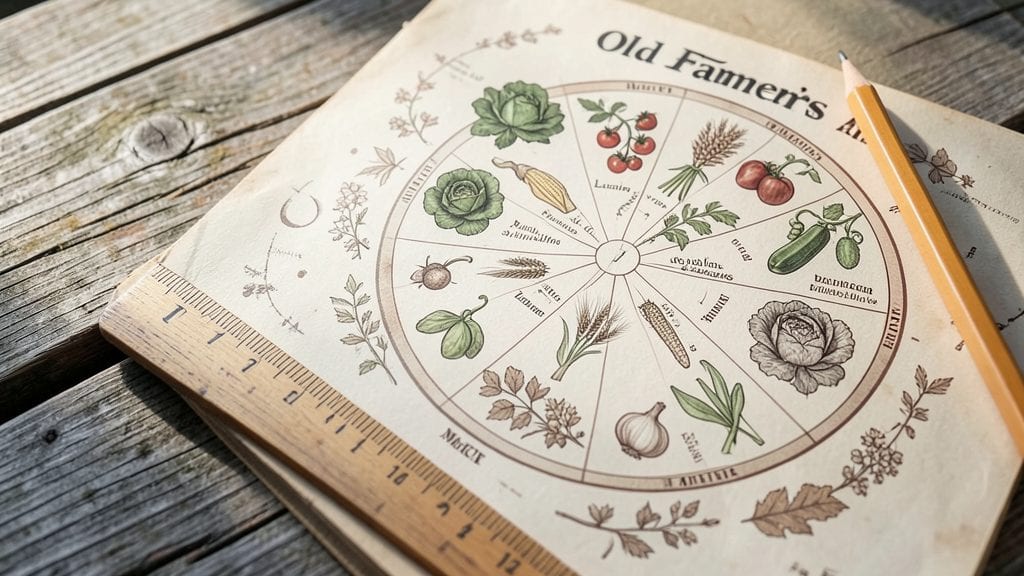
Planting by the moon’s phases isn’t just folklore—it’s a time-tested way to boost your garden’s success. ✨ The Old Farmer’s Almanac’s planting days align lunar cycles with your local frost dates, helping you time everything from seed starting to transplanting for stronger roots and bigger yields.
You’ll need just three things: your local frost chart (free online), the almanac’s planting calendar, and a notebook to track your region’s adjustments.
Most gardeners focus on the root, leaf, and flower phases, but the real magic happens when you match moon signs to your crops’ needs—like planting leafy greens during the moon’s waxing phase.
By following these timings, you’ll see faster germination, deeper root systems, and plants that thrive instead of struggle. My tomatoes hit 6-foot-tall this year because I planted them during the root phase—something I never got with random timing.
Works for any climate, from Zone 3’s short seasons to Zone 10’s long growing periods. Let’s get your planting schedule dialed in for the best harvest yet!
📚 In This Guide
- What you need
- Instructions
- Tips and common mistakes
- Wrapping up and next steps
What you need
- ● Almanac or planting guide: A trusted source like The Old Farmer’s Almanac (digital or printed) to access moon-phase planting charts.
- ● Notebook or planner: For tracking planting dates, moon phases, and garden progress (1 per gardener).
- ● Garden tools: Trowel (1–2, 6–8 inches long)
- ● Pruners (1 pair, bypass-style for precision)
- ● Garden fork (1, 12–14 inches for soil aeration)
- ● Seeds or seedlings: Choose varieties suited to your climate and moon-phase recommendations (e.g., root crops for waxing moon, leafy greens for waning).
- ○ Soil amendments (optional but helpful): Compost (5–10 lbs per 10 sq ft)
- ● Organic fertilizer (e.g., fish emulsion or bone meal, 1–2 lbs per 100 sq ft)
- ● Moon-phase calendar app: For real-time alerts (e.g., Moon Phase Calendar or Gardenate).
- ● Garden journal app: To log observations and success rates (e.g., Gardenize).
- ● Seedling trays or pots: Biodegradable or reusable (50–100 cell trays for starting seeds indoors).
- ● Row covers or cloches: To protect young plants from frost or pests (1–2 per planting area).
- ● pH testing kit: To ensure soil is optimal (6.0–7.0 for most vegetables).
Step-by-step guide to using almanac planting days
Timing your garden with the moon’s phases isn’t just folklore—it’s a proven way to boost yields and plant health.
🌱 Step 1: Understand the Four Key Moon Phases
The Old Farmer’s Almanac divides the moon’s cycle into four phases, each with distinct effects on plant growth. The new moon and full moon mark the phase changes, while the waxing (growing) and waning (shrinking) periods in between determine what you should plant. Waxing phases (after new moon) are ideal for above-ground crops like leaves and fruits, while waning phases (after full moon) suit root crops like carrots and potatoes.
I always mark these phases in my gardening journal—it’s the foundation of everything else. The almanac provides exact dates, but I double-check with a moon-phase app to confirm. This ensures I’m planting at the optimal time, not just guessing based on memory.
☀️ Step 2: Match Plant Types to Moon Phases
Above-ground crops—think lettuce, tomatoes, and beans—thrive when planted during the waxing moon, when energy flows upward. Root crops like beets, onions, and radishes do best during the waning moon, when energy moves downward into the soil. Flowers and seeds also respond well to waxing phases, while bulbs and perennials prefer planting during the waning period.
Here’s the thing—this isn’t about strict rules but strategic timing. If your almanac says it’s a waxing phase for tomatoes, but your local weather forecast calls for rain, I adjust. Planting on the best day isn’t worth muddy soil or stressed seedlings. Flexibility keeps the garden thriving.
🪴 Step 3: Plan Your Planting Schedule
Start by listing all your crops and their ideal moon phases. Then, cross-reference with your almanac’s planting calendar for the year. I like to create a spreadsheet with columns for crop type, moon phase, planting date, and maturity time. This keeps everything organized and ensures I don’t miss a single opportunity.
Don’t forget to account for your region’s frost dates and last frost date. Some crops, like peas or spinach, can handle cooler soil, while others, like cucumbers, need warmer temperatures. The almanac’s planting days are just one piece of the puzzle—local climate matters just as much.
⏰ Step 4: Prepare and Plant at the Right Time
Once you’ve locked in your planting dates, prep your soil a few days ahead. Loosen the earth, add compost, and water deeply to settle the soil. On the day you plant, check the moon phase one last time—sometimes, the almanac’s predictions shift slightly due to time zones or leap years.
Plant seeds or transplants at the optimal depth, following the moon’s energy. For example, during a waxing phase, I plant tomato seeds just below the soil surface to encourage strong stems. During a waning phase, I might press carrot seeds a bit deeper to support root development. Water gently afterward to avoid disturbing the soil.
🌿 Step 5: Monitor and Adjust as Needed
After planting, keep an eye on the moon’s phases and how your crops respond. If a batch of lettuce grows slowly during a waning phase, it might not be the right time for that crop. Over time, you’ll notice patterns—maybe your area’s soil retains moisture better during certain phases, or certain crops consistently thrive under specific conditions.
Adjust your schedule each year based on what works. The almanac provides a great starting point, but your garden’s unique conditions will shape the final plan. That’s the beauty of it—you’re not just following a rulebook; you’re tuning into the rhythms of nature.
Tips & tricks for perfect moon-phase planting timing
A few key insights will help you maximize the almanac's planting days and avoid common pitfalls that can turn good intentions into garden frustration.
Moon Phase Verification: Don't rely solely on the almanac's dates—cross-check with a reliable moon-phase app for your specific time zone. I've caught discrepancies where the almanac listed a waxing phase for my region, but the actual moon was already waning. This simple verification step ensures you're planting at the exact optimal window for your crops.
Soil Preparation Timing: Prepare your soil 2-3 days before planting to give the earth time to settle after loosening and compost incorporation. I always test soil moisture during this period—dry soil can stress seedlings, while overly saturated soil risks poor root development. Aim for soil that crumbles easily when squeezed, like a damp sponge.
Planting Depth Adjustments: In Step 4, when you're planting during waxing phases, use your finger to create a shallow furrow just below the soil surface for seeds like tomatoes and beans. For waning phases with root crops, press seeds slightly deeper—about 1 inch for carrots or beets—to encourage downward growth. This subtle depth adjustment aligns with the moon's energy flow.
Local Climate Overrides: Remember that the almanac's planting days are just the starting point. If your region's frost dates or typical rainfall patterns don't align with the recommended moon phases, prioritize weather conditions. I've planted tomatoes during waning phases when rain was forecast, and they still thrived because the soil stayed moist for germination.
Pro Tips for Almanac Planting Days
- A few key insights will help you maximize the almanac's planting days and avoid common pitfalls that can turn good intentions into garden frustration.
- Moon Phase Verification: Don't rely solely on the almanac's dates—cross-check with a reliable moon-phase app for your specific time zone.
- Soil Preparation Timing: Prepare your soil 2-3 days before planting to give the earth time to settle after loosening and compost incorporation.
Frequently asked questions
Got questions about using almanac planting days to sync your garden with the moon’s phases? You’re not alone!
Here are answers to the most common queries—so you can grow with confidence, not confusion.
What exactly are almanac planting days, and how do they work?
Almanac planting days are based on the The Old Farmer’s Almanac’s lunar planting calendar, which aligns planting tasks with the moon’s phases and signs. The idea is that roots, leaves, and fruits grow best when planted during specific moon phases—like planting leafy greens during a waxing moon for lush growth. Think of it as gardening with the cosmos’ natural rhythm!
Do I have to follow almanac planting days strictly, or can I adjust?
Flexibility is key! While the almanac provides a general guideline, real-world factors like weather, soil temperature, and local climate often take priority. For example, if the almanac suggests planting tomatoes during a "fruit" moon phase but your frost date is looming, prioritize timing over lunar alignment. Use the almanac as a tool, not a rulebook.
How do I find the best planting days for my location?
The Old Farmer’s Almanac offers free, customizable planting calendars by ZIP code on their website. Simply enter your location, and you’ll get tailored recommendations for moon phases, frost dates, and even local weather trends. Pro tip: Bookmark the page or save it to your phone for quick reference while you’re in the garden!
What if I miss the “ideal” planting day—can I still succeed?
Missing a "perfect" day doesn’t doom your garden. Most plants are resilient, and a day or two off won’t drastically affect growth. Focus on soil prep, watering, and sunlight—those factors matter more than lunar precision. That said, planting during a similar moon phase (e.g., waxing instead of full) can still boost success.
Are there plants that don’t respond well to moon-phase planting?
While most plants thrive with moon-phase alignment, some—like biennials (e.g., carrots, parsnips) and perennials—are less affected because their growth cycles span multiple seasons. For these, prioritize soil health and timing over lunar phases. Experiment with a few "test plants" to see what works best in your garden!
Can I use almanac planting days for indoor or container gardening?
Yes! The principles apply to containers too—just adjust for smaller soil volumes and watering needs. For example, herbs like basil or lettuce grown in pots can still follow moon-phase guidelines for leafy growth. However, since containers dry out faster, focus on consistent moisture alongside lunar timing.
Wrapping up and next steps
Timing your garden with almanac planting days and moon phases can transform your harvest—turning guesswork into confidence! 🌱 Whether you’re a seasoned gardener or just starting, aligning your planting with nature’s rhythms maximizes growth and yield. Now’s the perfect moment to grab your calendar, check the phases, and start planning your next planting adventure!
🌟 Ready to Grow?
Start small—try one crop with moon-phase timing, track your results, and let your garden guide your next steps. Happy planting, and may your harvests be abundant! 🌅