
Planting
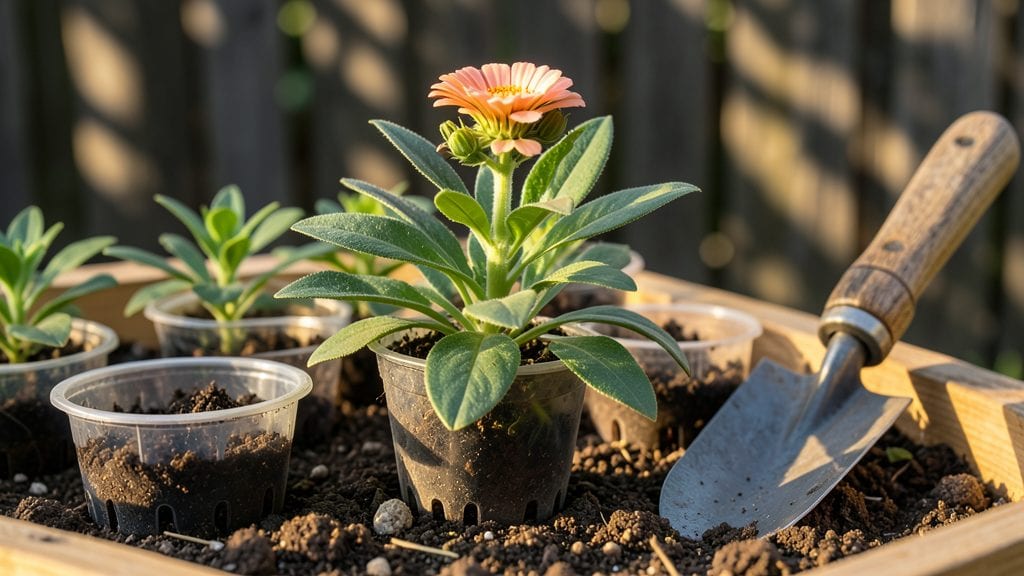
Here are some zinnia planting tips to help you grow vibrant blooms that last all summer with almost no effort.
I’ve grown them in everything from sunny backyard beds to containers on my fire escape, and the secret isn’t complicated—just a few key steps that make all the difference between scraggly stems and showstopping flowers. The best part?
You’ll have cut flowers for vases or bouquets within just 6-8 weeks of planting.
Start by choosing a spot with full sun—zinnias need at least 6-8 hours of direct light daily to really shine. The soil doesn’t need to be fancy, but it should drain well; mix in a little compost if your dirt feels heavy or clay-like.
Once you’ve scattered those tiny seeds, press them lightly into the soil—no need to bury them deep. A light misting keeps them moist until sprouts appear, usually within 7-14 days, depending on warmth.
📚 In This Guide
- What you need
- Instructions
- Tips and common mistakes
- Wrapping up and next steps
What you need
- ● Zinnia seeds – Choose heirloom or hybrid varieties (e.g., 'Benary’s Giant,' 'Profusion'). Start with 50–100 seeds for a small garden bed.
- ● Well-draining potting mix or garden soil – 10–20 lbs (or enough to fill your planting area to a depth of 6–12 inches). Amend with compost for nutrients.
- ● Containers or garden bed – If starting indoors, use biodegradable pots (3–4 inches deep) or seed trays. Outdoors, ensure full sun (6+ hours/day) and 6–12 inches of spacing between plants.
- ● Watering can or hose with a gentle spray nozzle – Keep soil consistently moist (not soggy) during germination.
- ● Garden trowel or transplanter – For digging small holes (¼-inch deep for seeds, 1-inch deep for seedlings).
- ● Plant labels – Mark varieties if growing multiple types (e.g., 50–100 labels).
- ○ Mulch (optional but recommended) – 2–3 inches of straw or shredded leaves to retain moisture and suppress weeds.
- ● Fertilizer (balanced 10-10-10 or organic options) – 1 tbsp per plant at planting and again when buds form.
- ● Pruning shears – For deadheading spent blooms to encourage more flowers.
Step-by-Step instructions for planting zinnias
Here’s the straightforward method I’ve used for years to grow vibrant zinnias that keep blooming all season.
Choose the Right Location and Prepare the Soil
Zinnias love full sun, so pick a spot that gets at least 6 hours of direct sunlight daily. If your garden gets afternoon shade, opt for shorter varieties like 'Thumbelina'—they’ll still thrive. Before planting, loosen the soil to a depth of 12 inches with a garden fork or tiller. This helps roots spread easily and prevents waterlogging.
Zinnias prefer well-draining soil, so if your area stays soggy after rain, mix in 2 inches of compost to improve drainage. I always test the soil first by squeezing a handful—if it clumps tightly, add more compost or sand. The goal is soil that crumbles slightly when pressed but holds moisture without dripping.
Plant Seeds at the Correct Depth and Spacing
Sow seeds ¼ inch deep, about 12-18 inches apart for full-size varieties or 6-8 inches apart for dwarf types. Planting too deep slows germination, while spacing too close leads to crowded, weak stems. I use a small hand trowel to make individual holes—this keeps seeds organized and makes thinning easier later.
Cover the seeds lightly with soil and water gently with a fine spray nozzle. Avoid soaking the area, as zinnias hate damp soil around their seeds. You’ll see sprouts in 7-14 days, depending on your climate. If planting in cooler weather, wait until the soil warms to at least 60°F—zinnias won’t germinate well in cold soil.
Maintain Consistent Watering and Deadhead Regularly
Water zinnias at the base once a week, giving them about 1 inch of water per week. Overhead watering can cause fungal diseases, so use a soaker hose or water early in the morning. You’ll know they’re getting enough water when the soil feels dry 1 inch below the surface—stick your finger in to check.
Deadheading—removing spent blooms—is key to keeping zinnias flowering. Pinch off faded flowers with your fingers or snip them with clean scissors just above the next set of leaves. This encourages new blooms and prevents the plant from putting energy into seed production. I do this every 2-3 days during peak bloom season to keep my zinnias looking fresh.
Fertilize Lightly and Watch for Pests
Zinnias don’t need much fertilizer, but a light feeding with balanced 10-10-10 fertilizer at planting and again after 6 weeks helps them grow strong. Mix 1 tablespoon of fertilizer per 4 feet of row into the soil. Too much fertilizer leads to lush foliage but fewer flowers, so keep it minimal.
Keep an eye out for common pests like aphids or spider mites. If you spot tiny green bugs clustering on stems or yellowing leaves, spray the plants with a soapy water solution (1 tablespoon mild dish soap per gallon of water). This gentle treatment usually clears up infestations without harming the flowers.
Tips & tricks for perfect zinnia planting
A few simple strategies will help your zinnias grow into vibrant, long-lasting blooms with minimal effort.
The Sunlight Secret: While zinnias love their 6 hours of daily sunlight, morning sun with afternoon shade works best in hot climates. If planting in full sun areas, opt for shorter varieties like 'Thumbelina'—they handle heat better while still producing abundant flowers. I've seen zinnias in full afternoon sun wilt by late afternoon, so positioning matters more than you might think.
Soil Prep Insight: That 12-inch soil loosening in Step 1 is crucial for root development. If your soil is naturally compacted, consider adding a 2-inch layer of coarse sand mixed with the compost to create better drainage. I test soil moisture by pressing my finger an inch down—if it feels dry, it's time to water, but if it's still damp, wait another day. Overwatering is just as harmful as underwatering for zinnias.
Germination Timing: The 7-14 day germination window can feel like forever, but remember that zinnias need soil temperatures of at least 60°F to sprout properly. If you're planting in cooler weather, consider using black plastic mulch to warm the soil faster. I've found that covering seeds with a thin layer of clear plastic wrap (removed after planting) can speed up germination by 2-3 days in chilly conditions.
Deadheading Discipline: Those 2-3 day deadheading intervals might seem frequent, but they're what keep your zinnias producing new blooms all season. I set a reminder on my phone for every Tuesday and Friday during peak bloom season—it takes just 5 minutes but makes a huge difference. The key is to remove spent blooms before they form seed heads, which signals the plant to produce more flowers instead of seeds.
Pro Tips for Zinnia Planting Tips
- A few simple strategies will help your zinnias grow into vibrant, long-lasting blooms with minimal effort.
- The Sunlight Secret: While zinnias love their 6 hours of daily sunlight, morning sun with afternoon shade works best in hot climates.
- Soil Prep Insight: That 12-inch soil loosening in Step 1 is crucial for root development.
Frequently asked questions
Got questions about growing zinnias? You’re not alone! Whether you're a first-time gardener or just looking to perfect your technique, these will help you cultivate stunning blooms with ease.
When is the best time to plant zinnias?
Zinnias thrive in warm soil and are best planted after the last frost when temperatures consistently stay above 50°F (10°C). For cooler climates, start seeds indoors 6–8 weeks before the last frost or sow directly in the garden in late spring. In warmer zones, you can even plant them in early spring!
How much sunlight do zinnias need to bloom?
Zinnias are sun worshippers! They need full sun (6–8 hours daily) for the best blooms. If planted in partial shade, expect fewer flowers and leggier stems. A south- or west-facing spot is ideal for maximum color and vigor.
How often should I water zinnias?
Keep soil moist but not soggy—zinnias hate wet feet! Water deeply 1–2 times per week, especially during dry spells. Mulching helps retain moisture and prevents soil crusting, which can block young seedlings. Avoid overhead watering to reduce fungal risks like powdery mildew.
Why aren’t my zinnias blooming? What’s wrong?
No blooms? Check these common culprits:
- Too much shade: Move to a sunnier spot.
- Over-fertilizing: Zinnias bloom best with low nitrogen—use a balanced 10-10-10 or bloom-boosting fertilizer.
- Deadheading delay: Pinch or cut spent blooms to encourage more flowers.
- Pests/disease: Inspect for aphids, spider mites, or mildew—treat with neem oil or insecticidal soap if needed.
Can I grow zinnias in containers or small spaces?
Dwarf varieties like ‘Thumbelina’ or ‘Crystal’ thrive in 5–6 inch pots. Use well-draining potting mix and a container with drainage holes. For larger varieties, opt for 12+ inch pots and stake them for support. Just ensure they get plenty of sunlight!
Pro Tip:
For continuous blooms, stagger plantings every 2–3 weeks in spring and summer. This ensures fresh flowers all season long!
Wrapping up and next steps
Growing zinnias is a rewarding journey that brings vibrant color and joy to your garden with just a few simple steps! 🌸 Whether you’re a seasoned gardener or a beginner, their love for sunlight and easy care makes them the perfect addition to any outdoor space.
Now that you’re armed with the right zinnia planting tips, it’s time to grab your gloves, pick your favorite varieties, and get those seeds in the soil.
Ready to watch your garden bloom? Start small—try a few pots or a dedicated bed—and let your zinnias do the rest! Happy planting! 🌱