
Planting
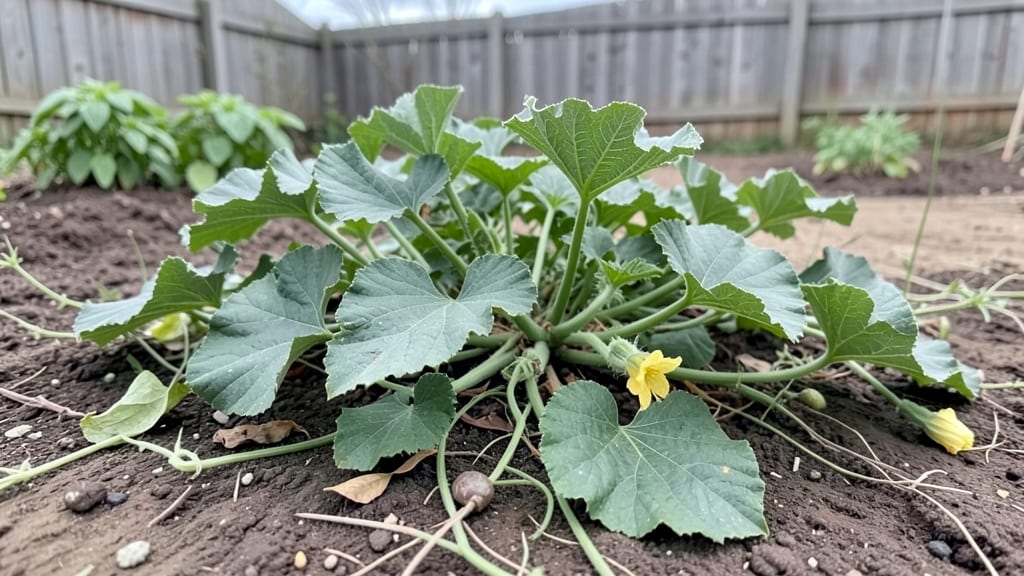
Growing watermelon cucumber plants—those hybrid wonders with crisp, cucumber-like fruit and a hint of melon sweetness—starts with the right approach. I learned the hard way that these plants need more attention than regular cucumbers, especially when grown in containers where space and soil compete for dominance.
The key is mimicking their natural sprawling habits while keeping them contained enough for patios or small gardens.
You’ll need a 5-gallon container per plant (or larger if you’re ambitious), a well-draining potting mix rich in compost, and a sturdy trellis or cage to guide their vines upward.
Watermelon cucumbers thrive in full sun (6-8 hours daily) and demand consistent moisture—never let the soil dry out completely, but avoid soggy roots. Fertilize lightly with a balanced organic feed every two weeks once vines start climbing.
By midsummer, you’ll be harvesting 3-4 inch fruits that taste like a cross between a cucumber and a honeydew melon—crisp, juicy, and packed with flavor. The real magic happens when you train the vines properly; without support, these plants sprawl aggressively and produce fewer, smaller fruits.
Prune side shoots to focus energy on the main stems, and watch your harvest multiply.
This plant excels in containers, raised beds, or small gardens, making it perfect for urban growers or those with limited space. Just remember: watermelon cucumbers are not self-pollinating, so plant at least two varieties or hand-pollinate with a small brush for reliable fruit set.
The effort pays off with a unique harvest that’s hard to find in stores.
📚 In This Guide
- What you need
- Instructions
- Tips and common mistakes
- Wrapping up and next steps
What you need
- ● Seeds: 2–3 watermelon seeds (varieties like 'Sugar Baby' or 'Mini Melons' work well) + 2–3 cucumber seeds (e.g., 'Bush Champion' or 'Straight Eight').
- ● Growing Containers: 1 large 5-gallon fabric pot or self-watering container (18"+ diameter) with drainage holes.
- ● Potting Mix: 1 bag high-quality, well-draining potting soil (mix in 20% perlite or coco coir for aeration).
- ● Support: 1 5–6 ft tall trellis or tomato cage (for cucumbers) + 1 small wire mesh (to separate watermelon vines later).
- ● Fertilizer: 1 balanced organic fertilizer (5-5-5 or 10-10-10) + compost (1 cup mixed into soil).
- ● Mulch: Black plastic mulch or straw (to retain moisture and warmth).
- ● Basic Tools: Hand trowel, pruning shears, spray bottle (for watering seedlings).
- ○ Optional (But Helpful): pH test kit (ideal soil pH: 6.0–6.8).
- ● Slow-release fertilizer tablets (for extra nutrients).
- ● Shade cloth (30–50%) for hot climates.
- ● Drip irrigation system (to automate watering).
- ● Prerequisites: Full sun exposure (6–8+ hours daily).
- ● Warm soil temps (70°F+ for germination).
- ● Patience! Watermelons take 70–90 days to fruit.
Step-by-Step instructions for growing watermelon-cucumber container duos
This cool-season pairing thrives when you follow these precise steps—no guesswork, just reliable harvests.
Select and Prepare the Right Containers
Choose 5-gallon fabric grow bags or large plastic pots with drainage holes—these plants need room to sprawl. I avoid terra cotta because it dries out too fast in summer heat. Each container should have at least two 3-inch drainage holes to prevent root rot, which is deadly for both cucumbers and watermelons.
Line the bottom with 1 inch of coarse gravel to improve drainage and prevent soil compaction. This layer ensures excess water flows away from roots while still allowing moisture to reach them. Fill the remaining space with 3 gallons of lightweight potting mix—never garden soil, as it compacts in containers and suffocates roots.
Plant Watermelon and Cucumber Together Strategically
Start by planting one watermelon seedling in the center of the container, burying it to the first true leaves. Watermelons need depth for their long taproots, so don’t skimp on soil depth. Around it, place three cucumber seedlings at 6-inch intervals, forming a loose circle. Cucumbers climb, so position them near the container’s edge for easy trellising later.
Water immediately after planting to settle the soil and eliminate air pockets. Press gently around the base of each plant to ensure good root-to-soil contact. Here’s the thing—watermelons are heavy feeders, so mix 1 tablespoon of 10-10-10 fertilizer into the top inch of soil. This gives them a head start before they compete with cucumbers for nutrients.
Set Up Support and Watering Systems Early
Install a 4-foot tall tomato cage in the center of the container to support both plants. Cucumbers will twine up the cage naturally, while watermelons can sprawl along the ground or use lightweight slings to train vines upward. Secure the cage firmly—these plants will grow 6-8 feet tall in a season, and a wobbly support collapses under their weight.
Water deeply twice weekly in the first month, ensuring the entire 5-gallon volume is moistened. You’ll know it’s right when water drips from the drainage holes. After that, water every 3-4 days, checking the soil 2 inches down—if it’s dry, it’s time. Overwatering here leads to blossom-end rot in cucumbers and cracked fruit in watermelons, so consistency matters more than frequency.
Manage Light, Heat, and Pollination
Place containers in full sun (6+ hours daily)—this duo demands it. A south-facing balcony or greenhouse spot works best. If you’re growing in partial shade, expect smaller fruit and slower growth. During heatwaves, shade cloth (30% coverage) prevents sunscald on watermelon rinds, which ruins flavor and texture.
Hand-pollinate flowers to boost yields. On warm, still mornings, use a soft paintbrush to transfer pollen from male (long-stemmed) to female (tiny fruit at base) cucumber blossoms. For watermelons, gently shake vines to release pollen. Watch for yellowing leaves—this signals either overwatering or nutrient deficiency. Adjust watering or apply liquid seaweed fertilizer weekly if you see it.
Harvest and Prune for Continuous Production
Harvest cucumbers when they reach 6-8 inches long—waiting longer turns them bitter. Use clean pruning shears to cut stems ½ inch above the fruit, leaving the vine intact for more blooms. For watermelons, check the ground spot (where the vine touches soil)—when it turns yellow and dry, the melon’s ready. A ripe one sounds hollow when tapped.
Prune aggressively after harvests. Pinch back cucumber vines to two main stems to redirect energy into fruit production. For watermelons, remove any runners that trail more than 3 feet—they drain the plant’s resources. Mulch with 2 inches of straw to retain moisture and keep fruit off damp soil, which causes rot. This keeps your duo productive until frost.
Tips & tricks for perfect watermelon-cucumber container pairings
These container gardening secrets will help you maximize your cool-season harvest without the common pitfalls that ruin these delicate plants.
Container Selection Matters: The 5-gallon capacity is non-negotiable for this pairing—watermelons alone need that much room for their sprawling vines. I've learned the hard way that smaller containers lead to stunted growth and poor fruit development. For extra stability, place your containers on saucers to catch drainage and prevent soil erosion during watering. The two 3-inch drainage holes are critical; if you're repurposing pots, drill them yourself if they're not already present.
Soil Preparation is Key: That 1-inch gravel layer at the bottom isn't just for drainage—it creates crucial air pockets that prevent root suffocation. I recommend mixing your 3 gallons of lightweight potting soil with perlite (about 10% by volume) to improve aeration further. The difference between compacted garden soil and this fluffy mix is night and day for root health. Watermelons especially appreciate this loose structure for their deep taproots.
Pollination Strategy: Hand-pollination might seem tedious, but it's the secret to consistent yields. I've found that mornings between 8-10am are ideal—flowers are freshest then. For watermelons, give those vines a gentle shake every few days to release pollen naturally. The soft paintbrush method works best for cucumbers, but only use it on dry, dew-free flowers to avoid damaging delicate petals. This attention to detail prevents the frustration of empty flowers that never set fruit.
Pruning for Productivity: That aggressive pruning advice in Step 5 isn't just about tidiness—it's about redirecting the plant's energy. For cucumbers, pinching back to two main stems forces the plant to produce thicker, more productive vines. With watermelons, removing runners beyond 3 feet prevents the plant from spreading itself too thin. I've seen watermelons produce 30% more fruit when properly pruned compared to unmanaged plants. Use clean pruning shears and always cut at a 45-degree angle to prevent disease entry points.
Pro Tips for Watermelon Cucumber Plant
- These container gardening secrets will help you maximize your cool-season harvest without the common pitfalls that ruin these delicate plants.
- Container Selection Matters: The 5-gallon capacity is non-negotiable for this pairing—watermelons alone need that much room for their sprawling vines.
- Soil Preparation is Key: That 1-inch gravel layer at the bottom isn't just for drainage—it creates crucial air pockets that prevent root suffocation.
Frequently asked questions
about growing a watermelon-cucumber plant combo in containers—because even the coolest gardening hacks need a little troubleshooting!Can I grow watermelons and cucumbers together in the same pot?
Yes! Both are warm-season vines and thrive in similar conditions. Just ensure the container is at least 15 gallons (bigger is better) with well-draining soil and support for climbing (trellis or cage). Their roots won’t compete aggressively if spaced properly.
How long does it take for watermelon-cucumber plants to bear fruit?
Cucumbers typically produce in 50–70 days, while watermelons take 70–90 days from transplanting. Patience pays off—keep soil moist, fertilize lightly, and watch for male vs. female flowers (female blooms have tiny fruit at the base).
What if my plants wilt in hot weather?
Wilt is often a sign of underwatering or root stress. Try these fixes:
- Water deeply early in the morning (1–2 inches per week).
- Use mulch to retain moisture.
- Check for pests (aphids, cucumber beetles)—spray with neem oil if needed.
Can I grow this combo indoors?
Possible, but challenging! Both need 6–8+ hours of sunlight daily—supplement with grow lights if natural light is limited. Containers must have drainage holes, and you’ll need a large pot (20+ gallons) for watermelons. Humidity trays help, but outdoor growth is easier.
Why aren’t my watermelons growing big?
Small watermelons often stem from:
- Insufficient sunlight (they need full sun).
- Poor pollination—hand-pollinate with a brush if bees are scarce.
- Overcrowding—thin vines to 1–2 main stems.
- Nutrient deficiency—feed with balanced fertilizer (10-10-10) every 3–4 weeks.
What can I plant instead if space is limited?
Try these container-friendly swaps for a watermelon-cucumber combo:
Alternative
Why It Works
Bush beans
Compact, nitrogen-fixing, and thrives in similar conditions.
Peppers (bell or chili)
Loves heat, pairs well with cucumbers, and fits in medium pots.
Dwarf tomatoes
Vertical growth saves space; prune to avoid shading cucumbers.
Wrapping up and next steps
Growing a watermelon-cucumber plant combo in containers is a rewarding way to savor fresh, homegrown produce—even in small spaces! 🌱 With the right soil, sunlight, and care, you’ll enjoy crisp cucumbers and juicy watermelon slices straight from your patio.
Start small, experiment with varieties, and soon you’ll be harvesting like a pro.
Ready to dive in? Pick your containers, gather your seeds, and get planting! Share your progress with fellow gardeners or tag us—we’d love to see your thriving duo. Happy growing! 🌿