
Pruning
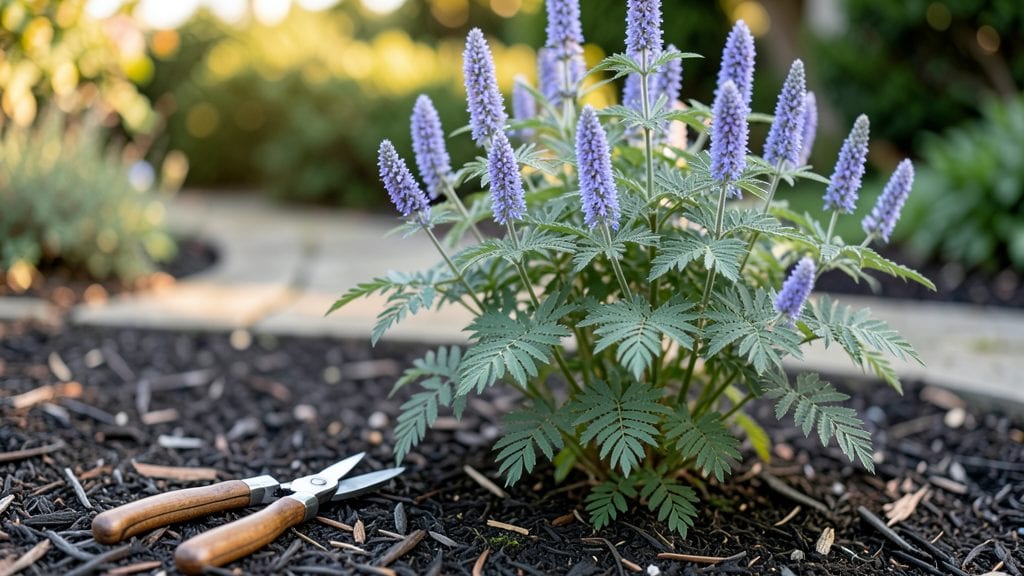
Pruning vitex plants transforms them from scraggly to showstopping within a single season. ✨ I’ve watched my own vitex go from a tangled mess to a lush, flowering powerhouse—just by making three strategic cuts at the right times.
The key isn’t just when you prune, but how you shape the plant to encourage dense growth and those signature purple blooms.
You’ll need sharp pruners, gloves, and a clear day to avoid sticky sap. The best time to prune is late winter before new growth starts, then again in early summer after flowering, and a light trim in fall to clean up.
Most gardeners skip the summer cut, but that’s when you shape the plant for next year’s blooms—think of it as a mid-season tune-up.
After pruning, you’ll notice fresh green shoots within weeks, and by next summer, your vitex will be bursting with flowers instead of bare branches. The secret is cutting back about one-third of the oldest stems each year to keep the plant youthful.
Overgrown vitex? No problem—just work in stages to avoid shocking the plant.
This method works for both small patio vitex and large landscape specimens. Whether you’re pruning a 5-foot shrub or a 10-foot tree form, the same principles apply. Let’s get those shears out and turn your vitex into the star of your garden!
📚 In This Guide
- What you need
- Instructions
- Tips and common mistakes
- Wrapping up and next steps
What you need
- ● Bypass pruning shears – Sharp, high-quality shears (e.g., Felco or Fiskars) with 6-8" blades for clean cuts on small stems (up to ½ inch thick). 1 pair required.
- ● Loppers – Long-handled (20-24") with bypass blades for medium branches (½–1½ inches thick). 1 pair required.
- ○ Pruning saw – Curved-tooth saw for thick branches (1½+ inches). 1 required (optional if your Vitex has minimal thick growth).
- ● Gloves – Heavy-duty, cut-resistant gloves (e.g., Mechanix or leather) to protect hands from thorns and rough bark. 1 pair required.
- ● Disinfectant (70% isopropyl alcohol or bleach solution) – 1 small spray bottle or wipe to sterilize tools between cuts and prevent disease spread.
- ○ Pruning sealant (optional) – Pruning wax or tree sealant to coat large cuts (over 1 inch) and reduce sap loss. Small jar or tube.
- ● Ladder or step stool – Sturdy, extendable ladder (if your Vitex exceeds 6 feet tall). 1 required for safety.
- ● Heavy-duty trash bags or bucket – For collecting pruned branches. 1-2 bags or a 5-gallon bucket.
- ● Weather check – Prune on a dry, overcast day (avoid pruning when the plant is wet to reduce disease risk).
- ○ Safety gear – Safety glasses (optional but recommended) if working near the face or eyes.
- ● Plant health assessment – Inspect your Vitex for diseased or dead branches before pruning. Mark them with flags or tape if needed.
- ● Water source nearby – Hose or bucket of water to rinse tools and clean up sap spills.
Step-by-Step guide to strategic vitex pruning for year-round growth
Mastering vitex's three pruning seasons transforms it from a sprawling shrub into a structured, flowering powerhouse.
✂️ Step 1: Late Winter Pruning to Shape the Structure
Timing is everything here—wait until after the last frost when new growth is just beginning to emerge. Vitex blooms on old wood, so you're not sacrificing flowers by cutting back now. Use sharp, clean pruners to remove about one-third of the previous year's growth, focusing on crossing branches and any dead or diseased wood first. I always start with the oldest stems, cutting them back to a strong lateral branch or the ground if needed.
This is where you establish your plant's framework. Look for branches that grow inward or rub against each other—they'll weaken the plant and create entry points for pests. Make cuts just above an outward-facing bud or leaf node at a 45-degree angle. The goal is to open up the center of the plant for better airflow and light penetration, which prevents fungal issues and encourages stronger new growth.
🌿 Step 2: Mid-Summer Light Pruning to Encourage Blooms
About 6-8 weeks after the first flush of flowers appears, give vitex a second pruning to stimulate another round of blooms. This isn't about radical reshaping—just strategic trimming. Remove any leggy growth that's stretching toward the light, as well as any branches that have finished flowering. Cut back these stems by about one-third, again making your cuts just above a bud or leaf node.
Here's the thing—vitex responds beautifully to this mid-season trim. You'll see new shoots emerge within 2-3 weeks, and these will produce a second, often even more abundant, round of flowers. Avoid cutting back into old wood this time; stick to the current season's growth. If you see any branches that are completely bare or have no signs of new growth, remove them entirely—they're not coming back.
⏰ Step 3: Post-Bloom Cleanup for Next Year's Growth
After the final flush of flowers has faded—usually in late summer or early fall—perform your final pruning of the year. This isn't about shaping; it's about cleanup and preparation. Remove all spent flower clusters and any branches that have finished their growth cycle. You can be more aggressive with this cut, as the plant is entering its dormant phase and won't produce new growth from these cuts.
I like to leave the overall structure intact during this pruning, focusing instead on tidying up the plant's appearance. This final cut helps prevent the buildup of disease over winter and makes it easier to assess the plant's structure in early spring. If you notice any branches that are consistently weaker or produce fewer flowers, consider removing them entirely—they're not contributing to the plant's overall health or beauty.
🌱 Bonus: Year-Round Maintenance Tips
Between these three main pruning sessions, vitex needs minimal maintenance. Water deeply once a week during dry spells, ensuring the top 6 inches of soil stay moist but not soggy. Mulch around the base with 2-3 inches of organic mulch to retain moisture and regulate soil temperature. Fertilize lightly in early spring with a balanced, slow-release fertilizer—vitex doesn't need heavy feeding, but a little goes a long way toward encouraging strong, healthy growth.
Watch for signs of stress, like yellowing leaves or stunted growth. These can indicate overwatering, underwatering, or nutrient deficiencies. Vitex is remarkably resilient, but it will reward you with lush, vibrant growth when given the right care. With these three pruning sessions, you'll have a vitex that flowers prolifically, stays healthy, and fits beautifully into your landscape design.
Tips & tricks for perfect vitex pruning
These strategic insights will help you transform your vitex from a wild shrub into a meticulously pruned flowering masterpiece.
Timing is Everything: The late winter pruning in Step 1 should occur when you see those first tender green shoots emerging—this is your cue that dormancy is ending. I've learned the hard way that pruning too early can damage new growth, while waiting too long risks sacrificing the year's flowers. Mark your calendar for that critical window after the last frost when buds begin to swell. For zones with unpredictable winters, use a local frost date guide as your reference point.
The 45-Degree Angle Secret: When making cuts in Step 1, that 45-degree angle isn't just aesthetic—it's functional. The angled cut prevents water from pooling on the cut surface, which dramatically reduces the risk of fungal infections. I always clean my pruners with rubbing alcohol between cuts to maintain sterility. For thicker branches, make the cut slightly above a bud that faces outward from the plant's center, creating an optimal growth pattern.
Mid-Summer Bloom Stimulation: The 6-8 week timing for Step 2's mid-summer pruning might seem arbitrary, but there's science behind it. This window allows the first flush of flowers to fully develop while giving the plant enough time to respond with vigorous new growth. After pruning, you'll notice new shoots emerging within those 2-3 weeks—this is your vitex's way of telling you it's happy with the treatment. Don't be tempted to prune more aggressively here; stick to that one-third reduction to maintain the plant's energy balance.
Post-Bloom Cleanup Strategy: During Step 3's late summer cleanup, focus on removing those spent flower clusters completely—don't leave any stubs. I've found that leaving even small remnants can harbor pests over winter. This is also your chance to assess the plant's overall health. Any branches that consistently produce fewer flowers or show signs of weakness should be removed entirely. Think of this as your vitex's annual health checkup, preparing it for next year's growth cycle.
Pro Tips for Vitex Plant Pruning
- These strategic insights will help you transform your vitex from a wild shrub into a meticulously pruned flowering masterpiece.
- Timing is Everything: The late winter pruning in Step 1 should occur when you see those first tender green shoots emerging—this is your cue that dormancy is ending.
- The 45-Degree Angle Secret: When making cuts in Step 1, that 45-degree angle isn't just aesthetic—it's functional.
Frequently asked questions
Got questions about pruning your vitex plant?
You’re not alone! Whether you’re a first-time pruner or a seasoned gardener, these common questions will help you keep your vitex thriving year-round.
When is the best time to prune vitex for maximum growth?
The ideal times are early spring (just before new growth starts), late winter (after the last frost), or summer (after flowering). Avoid pruning in fall—it can stimulate tender new growth that won’t survive winter. For aggressive shaping, split pruning into two sessions: once in spring and again in summer.
How often should I prune my vitex plant?
Vitex benefits from annual pruning to maintain shape and encourage bushiness. However, if you’re happy with its natural form, a light trim every 2–3 years suffices. Over-pruning weakens the plant, so focus on removing no more than 1/3 of the foliage per session.
What should I do if I prune too much by accident?
Don’t panic! If you’ve over-pruned, stop cutting immediately and wait until next spring to assess. Vitex is resilient—it may look sparse at first but will bounce back with new growth. In the meantime, water deeply and avoid fertilizing until regrowth appears. Severe cuts can also invite pests, so monitor for issues.
Can I prune vitex in winter, or will it die back?
Pruning vitex in deep winter (before buds swell) is fine, but avoid heavy cuts. The plant enters dormancy naturally, so pruning too late can stress it. If you must prune in winter, do so early (Dec–Jan in cold climates) and use sterilized tools to prevent disease. Mulch afterward to protect roots.
What’s the difference between pruning for shape vs. rejuvenation?
| Shape Pruning | Rejuvenation Pruning |
|---|---|
| Done annually to maintain form (e.g., removing crossing branches). | Done every 3–5 years for neglected or overgrown vitex—cut back 1/3 of old wood to stimulate new growth. |
| Best in spring or summer. | Best in late winter (before buds break). |
Pro tip: If your vitex is woody and sparse, rejuvenation pruning can revive it—but expect sparse foliage for a season while it recovers.
Wrapping up and next steps
Pruning your vitex plant doesn’t have to be intimidating—with just three strategic cuts a year, you’ll keep it thriving and full of lush foliage! 🌿 Whether you’re shaping it for aesthetics, controlling growth, or encouraging blooms, the key is timing and technique.
Now that you’re armed with the right tools and tips, there’s no better time to roll up your sleeves and give your vitex the care it deserves.
Ready to see the difference? Pick a sunny day, grab your pruners, and start pruning today! Your vitex will thank you with vibrant growth and stunning flowers all season long. 🌸