
Pruning
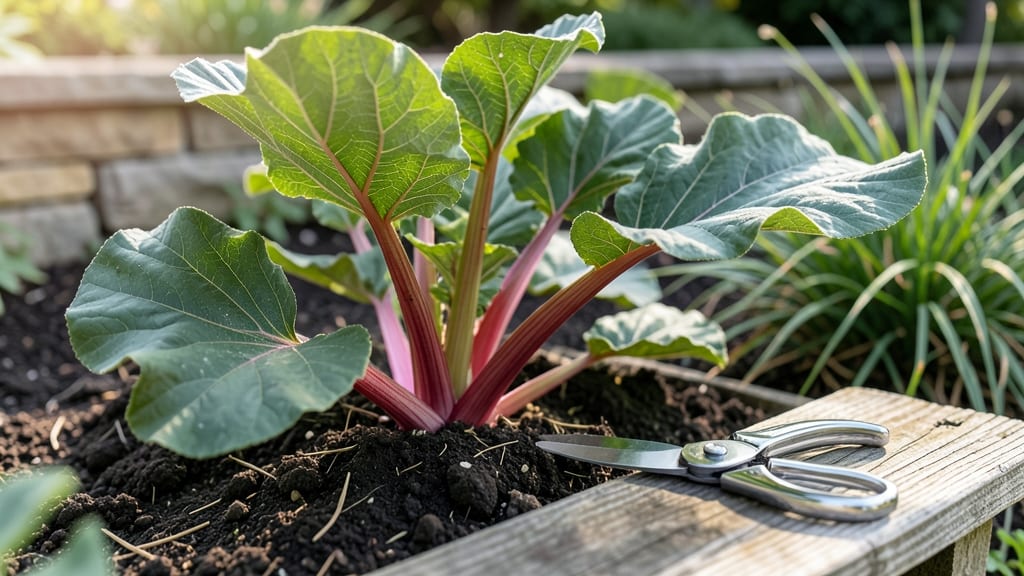
Trimming rhubarb plants strategically now means a bounty of stalks all summer long—once I harvested just once a year, but mastering the right cuts turned my single haul into a steady supply from early spring through frost. 🌱 The secret lies in timing, tools, and knowing exactly what to cut—and what to leave behind.
You only need three things: sharp pruners, a sunny morning, and patience. The best time to trim is right after harvest, when the plant has energy to regrow.
Never cut more than a third of the stalks at once, and always leave the crown intact—this keeps the plant strong for next year. Most people overdo it, and the plant struggles to recover.
With proper trimming, you'll see fresh, plump stalks emerging within weeks. The plant stays productive for decades, and the stalks grow thicker each year. The key is consistency—regular maintenance prevents disease and keeps the harvest coming.
You'll end up with more rhubarb than you know what to do with, and neighbors might even ask for cuttings.
Works in any climate zone where rhubarb thrives, from cold northern gardens to milder southern regions. The same principles apply whether you're growing in a traditional bed or a large container. Here's how to get started without overcomplicating it.
📚 In This Guide
- What you need
- Instructions
- Tips and common mistakes
- Wrapping up and next steps
What you need
- ● Clean, sharp pruners or shears: Bypass pruners (5–7 inches) with stainless steel blades—dull tools crush stems, inviting disease.
- ○ Gloves (optional but recommended): Nitrile or leather gloves to protect against thorns and sap irritation.
- ● Disinfectant (70% isopropyl alcohol or bleach solution): 1 part bleach to 9 parts water—sanitize tools between cuts to prevent bacterial spread.
- ○ Garden twine or plant ties: 3–5 feet per plant (optional, for securing large stems post-trimming).
- ● Mature rhubarb plants: At least 2–3 years old (young plants need time to establish roots).
- ● Ideal timing: Trim in early spring (March–April) or after harvest to encourage regrowth.
- ● Weather check: Wait for dry, calm conditions—wet stems attract fungal diseases.
- ● Harvest readiness: Stems should be at least ½-inch thick and 12+ inches tall.
- ● Wheelbarrow or bucket: For collecting clippings and debris.
- ● Knee pads: Because squatting is part of the job! 😉
- ● Plant marker labels: If trimming multiple varieties to avoid confusion.
How to trim rhubarb plants for healthy growth and bountiful harvests
Rhubarb thrives when you cut it strategically—not just when you're hungry. Here's my method for keeping plants productive and happy for decades.
✂️ Step 1: Time Your First Cut Correctly
Wait until the plant reaches its third spring before harvesting. First-year growth builds roots, and second-year plants need to establish strong crowns. You'll know it's ready when stalks reach 8-10 inches tall and are thick enough to snap cleanly by hand.
Cut stalks at the base with clean, sharp pruners or your hands—never pull them, which damages the crown. Remove only the thickest, most mature stalks first. These are the ones with the most vibrant color and crisp texture. Leave the thinner, younger stalks to grow for next year's harvest.
✂️ Step 2: Apply the "Third Cut" Rule
After your first harvest, never cut more than one-third of the stalks in any single season. This prevents stressing the plant and keeps it producing for years. I mark the stalks I've cut with a small piece of twine or ribbon to track which ones are ready for next harvest.
Watch for new growth emerging from the center of the plant—these are your future harvest stalks. If you see only small, weak stalks appearing, you've cut too aggressively. The plant needs time to recover before you harvest again, usually 4-6 weeks after the first cut.
✂️ Step 3: Clean Up After the Harvest Season
Once stalks stop producing in late summer, cut them all back to 1 inch above ground level with clean pruners. This removes spent growth and redirects the plant's energy toward root development for next year. Avoid cutting into the crown itself—this can invite disease.
I like to spread a 1-inch layer of mulch around the base after trimming to protect the crown from winter cold. This also helps retain moisture and suppresses weeds. Never mulch directly against the stem, as this can cause rot.
✂️ Step 4: Prune for Winter Protection
In late fall, after the first hard frost, cut back any remaining leaf stalks to 2 inches above ground level. This prevents them from acting as a bridge for snow mold or other fungal diseases. The leaves themselves don't need removal unless they're diseased.
If your rhubarb is in a cold climate, add a 4-6 inch layer of straw mulch over the crown for extra insulation. In milder areas, a light layer of leaves or straw is enough. This protects the plant through winter while keeping the soil structure intact for spring growth.
⏰ Step 5: Spring Maintenance Before New Growth
As soon as you see new shoots emerging in early spring, remove any dead or damaged stalks at the base. This clears space for healthy growth and prevents pests from hiding in decaying material. You'll also want to check for and remove any volunteer seedlings that pop up around the main plant.
Here's the thing—rhubarb is a perennial powerhouse, but it needs consistent care. If you follow these cuts, your plants will reward you with harvests for 20+ years. Just remember: patience is key. The more you cut, the less your rhubarb will produce in the long run.
Tips & tricks for perfect rhubarb plant trimming
These strategic cuts will keep your rhubarb thriving for decades—here's how to avoid common mistakes and maximize your harvest.
The Third Spring Rule: I can't stress this enough—waiting until the plant's third spring is crucial. First-year growth focuses on root development, and second-year plants need to establish strong crowns. That first harvest in the third spring gives you the most vibrant, crisp stalks. Trust me, the patience pays off with harvests for 20+ years!
Visual Cues for Harvest Readiness: When checking stalk maturity in Step 1, look for stalks that snap cleanly at the base with a satisfying "pop." They should be 8-10 inches tall and have that deep red or pink color. If stalks bend without snapping, they're not ready yet. This visual cue saves you from harvesting too early and stressing the plant.
Marking System for Future Harvests: After your first harvest, grab some twine or ribbon and mark the stalks you've cut. This simple tracking system prevents you from accidentally cutting the same stalks twice in one season. I use different colored ribbons for different harvests—it's like having a built-in calendar for your plant's growth cycle.
Mulch Layering Secrets: That 1-inch layer of mulch in Step 3 isn't just about insulation—it's about creating the perfect microclimate. Use straw or shredded leaves (but never mulch directly against the stem). In cold climates, that 4-6 inch layer over the crown in Step 4 is your plant's winter blanket. Pro tip: Add a thin layer of mulch after each heavy rain to prevent soil compaction around the roots.
Pro Tips for Trimming Rhubarb Plants
- These strategic cuts will keep your rhubarb thriving for decades—here's how to avoid common mistakes and maximize your harvest.
- The Third Spring Rule: I can't stress this enough—waiting until the plant's third spring is crucial.
- Visual Cues for Harvest Readiness: When checking stalk maturity in Step 1, look for stalks that snap cleanly at the base with a satisfying "pop."
Frequently asked questions
Got questions about trimming rhubarb plants? You’re not alone—this classic garden task can feel tricky at first! Below, we’ve rounded up the most common queries to help you prune like a pro and keep your rhubarb thriving.
When is the best time to trim rhubarb plants?
Trim rhubarb after it finishes flowering in early summer (May–June). Cut stalks at the base with clean shears, leaving the leaves to photosynthesize and feed the plant. Avoid heavy pruning in fall—focus on removing dead or damaged foliage instead. Pro tip: Never cut more than 1/3 of the stalks at once to prevent stress.
Can I cut rhubarb stalks too early in the season?
Yes! Harvesting too early (before May) weakens the plant and reduces next year’s yield. Rhubarb needs energy to establish roots and build strength. Wait until stalks are at least 10–12 inches tall and at least 1 inch in diameter. Patience pays off with bigger, sweeter harvests later!
What should I do with the leaves after trimming?
Never eat rhubarb leaves—they contain oxalic acid, which is toxic in large amounts. Instead, compost them or discard them in yard waste. The stalks are the star, so focus on harvesting those cleanly! Bonus: Leaves make great mulch for other plants.
My rhubarb stalks are turning mushy or slimy—what went wrong?
Mushy stalks often signal rot (from overwatering or poor drainage) or crowding (from not dividing clumps every 4–5 years). Trim affected stalks immediately, improve soil drainage, and space plants 3 feet apart. If rot persists, treat with copper fungicide for fungal issues.
Do I need to trim rhubarb in winter?
Minimal trimming is needed! In winter, simply cut back dead or yellowed leaves to the ground. Avoid heavy pruning—rhubarb is hardy and stores energy underground. Mulch lightly with straw to protect roots from freezing. Spring will bring fresh growth!
| Quick Fixes | When to Use |
|---|---|
| Compost leaves | After harvesting stalks |
| Divide crowns | Every 4–5 years in spring |
| Apply copper fungicide | If rot or mildew appears |
Wrapping up and next steps
Trimming your rhubarb plants isn’t just about keeping them tidy—it’s the secret to bountiful, long-lasting harvests! By mastering the right cuts and timing, you’ll enjoy tender stalks well into the season while ensuring your plants thrive year after year. 🌱
Ready to put your new skills into action? Grab your pruners and get trimming—your future rhubarb feasts (and maybe even some homemade pies!) are waiting. Happy gardening! 🍰✨