
Pruning
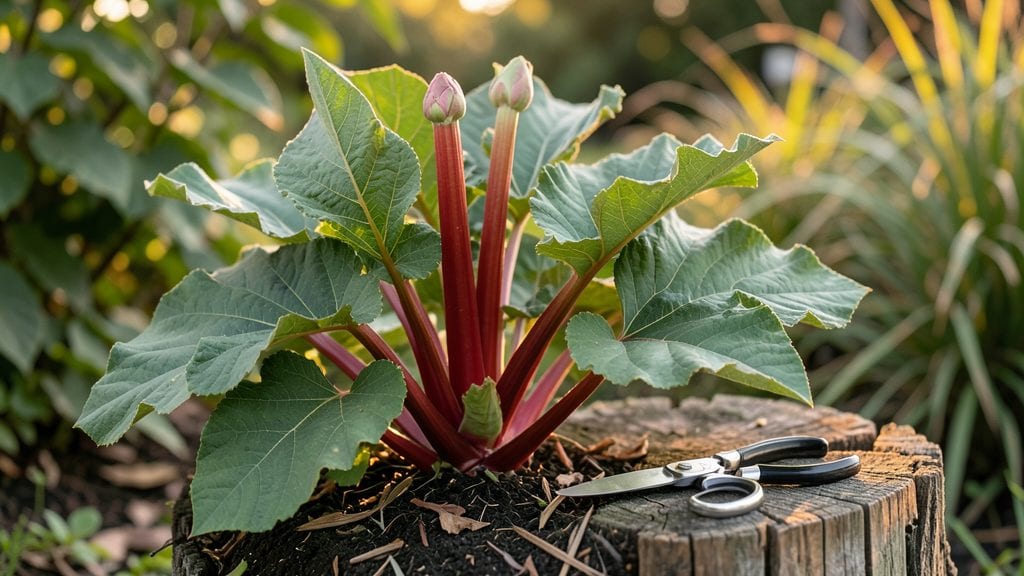
Trimming rhubarb plants isn’t just about keeping them tidy—it’s the secret to year-round growth and harvests that last well into fall. ✨ I learned this the hard way after letting my first rhubarb crowns get overgrown, only to watch them struggle through summer’s heat.
The right cuts at the right time mean thicker stalks, fewer weeds, and plants that bounce back from winter like they’re made of steel.
You only need three tools: sharp pruners, a trowel, and a wheelbarrow for cleanup. The real magic happens in late winter or early spring, when you cut back the previous year’s stalks to 4–6 inches above the ground.
This might sound drastic, but rhubarb is tougher than it looks—it’ll send up fresh, vigorous growth within weeks. Avoid cutting in summer unless you’re dealing with disease, or you’ll stunt the plant’s energy reserves.
After trimming, mulch the base with 2–3 inches of compost to protect roots and retain moisture. The payoff? Stalks that are thicker, sweeter, and more abundant than you’ve ever seen, with fewer pests and diseases clinging around.
My rhubarb now produces for three months straight, and the plants look younger every year. The key is patience—rhubarb rewards consistency, not force.
This method works in zones 3–9, whether you’re in a cold northern climate or a mild southern one. Just adjust timing: trim in early spring in cold zones, and late winter in warmer areas.
The same rules apply—never cut more than a third of the plant at once, and always keep tools clean to prevent spreading disease. Your rhubarb will thank you.
📚 In This Guide
- What you need
- Instructions
- Tips and common mistakes
- Wrapping up and next steps
What you need
- ● Pruning shears or sharp bypass pruners – Choose sterilized, sharp tools (1 pair) to avoid disease spread. Look for bypass pruners (not anvil-style) for clean cuts.
- ● Garden gloves – A pair of cut-resistant, breathable gloves (e.g., nitrile-coated) to protect your hands from thorns and sap.
- ● Disinfectant (70% isopropyl alcohol or bleach solution) – 1 part bleach to 9 parts water to sterilize tools before/after trimming.
- ● Compost bin or mulch – A small container or tarp to collect trimmings for composting (avoid adding diseased leaves).
- ○ Measuring tape or ruler – Optional but helpful for tracking stem thickness (aim for <1-inch diameter for first-year cuts).
- ● Timing – Trim after the last frost (spring) or 6–8 weeks after harvest (late summer/fall). Avoid trimming in winter unless removing dead foliage.
- ● Plant age – Wait until rhubarb is at least 2 years old before heavy pruning to ensure established roots.
- ● Weather – Choose a dry, overcast day to prevent stress on fresh cuts.
- ● Safety note – Rhubarb leaves contain oxalic acid (toxic if ingested). Wear gloves and avoid handling near pets/kids.
- ● Plant food or compost – A balanced 10-10-10 fertilizer or aged compost to replenish nutrients after trimming.
- ● Plant marker or journal – To track cutting dates, plant age, and growth notes for future reference.
- ● Knee pad or stool – For comfort if your rhubarb patch is sprawling!
Step-by-Step guide to trimming rhubarb plants for maximum growth
Here's how I keep my rhubarb thick, productive, and healthy—no guesswork, just proven cuts.
✂️ Step 1: Early Spring Cutting (First of the Season)
Wait until mid-April when soil reaches 50°F and new shoots emerge—this is your signal. Use sharp pruners to cut stems 1 inch above the crown (the thick base where leaves grow). Never cut into the crown itself, or you'll damage the plant's energy source.
Remove only one-third of the stalks the first time. I like to start with the largest, most mature stems first—they've already stored energy and can spare it. Leave the smaller, newer stalks for next year's harvest. This balance prevents overstress while still giving you early harvests.
✂️ Step 2: Mid-Season Maintenance (Every 3-4 Weeks)
After the first cut, wait 3-4 weeks before harvesting again. This time, trim another third of the stalks, again cutting 1 inch above the crown. You'll see new shoots pushing up—these are your next harvest candidates.
I always harvest on a dry morning after the dew has evaporated. Wet stalks bruise easily, and you'll end up with limp, unusable stems. Remove any yellowing or diseased leaves at the same time—they'll sap energy from healthy growth.
✂️ Step 3: Late Summer/Autumn Cleanup (Preparing for Winter)
By late August, stop harvesting entirely. This gives the plant time to rebuild energy stores before winter. Cut back all remaining stalks to 2-3 inches above the crown, leaving only the fan of leaves. This prevents frost damage to tender new growth and keeps the plant tidy.
Remove and compost any dead or diseased foliage—don't leave it near the plant, as it can harbor pests or diseases over winter. I also spread a 2-inch layer of straw mulch around the base to insulate the crown and protect it from freezing temperatures.
🌱 Step 4: Winter Inspection (Early Spring Prep)
In late winter (February), check for any dead or broken stalks that might have survived the cold. Prune these away immediately—they won't regrow and will only compete with healthy growth. Brush away old mulch and replace it with fresh straw if needed.
This is also the time to fertilize lightly with a balanced 10-10-10 if your soil is poor. I scatter a handful around the base and water it in—just enough to encourage new shoots without overstimulating growth too early in the season.
Tips & tricks for perfect rhubarb plant trimming
A few precision techniques that'll keep your rhubarb thriving for years to come.
Timing is Everything: The 50°F soil temperature in mid-April is your golden window for the first cut. If you harvest too early, you risk damaging the crown before it's ready. I always test soil temp with a thermometer—cold soil means delayed growth, and you don't want to stunt your plant's energy reserves before they even begin.
The Crown Rule: Never cut into the crown itself—that thick base is where all the magic happens. Think of it like the root system of your rhubarb. When you cut 1 inch above the crown in each step, you're giving the plant room to regenerate while still harvesting what you need. I mark the crown with a small flag in my garden so I never accidentally cut too low.
Seasonal Balance: That one-third rule in early spring and mid-season is non-negotiable. Harvesting too much at once stresses the plant and can lead to fewer stalks next year. I like to think of it like a bank account—you only withdraw what you can afford to lose while keeping reserves for future growth. By late August, you're essentially giving your rhubarb a well-deserved vacation before winter.
Disease Prevention: Those yellowing or diseased leaves in Step 2 aren't just ugly—they're energy vampires. Remove them immediately and compost them away from your garden. I keep a small bucket nearby when harvesting to collect these leaves separately. The same goes for any dead foliage in winter—never leave it near the plant, as it can harbor pests and diseases that'll attack next season's growth.
Pro Tips for Trim Rhubarb Plants
- A few precision techniques that'll keep your rhubarb thriving for years to come.
- Timing is Everything: The 50°F soil temperature in mid-April is your golden window for the first cut.
- The Crown Rule: Never cut into the crown itself—that thick base is where all the magic happens.
Frequently asked questions
Got questions about trimming rhubarb plants?
Here are the most common ones—plus clear, actionable answers to keep your plants thriving year-round.
When is the best time to trim rhubarb plants?
Trim rhubarb after harvest in early spring (March–April) and again in late summer (August–September). Avoid heavy cuts in fall or winter—focus on shaping and removing dead leaves. Pro tip: Never cut more than ⅓ of the stalks at once to avoid stressing the plant.
How do I trim rhubarb correctly?
Use clean pruners or shears to cut stalks 1–2 inches above the soil line at a 45° angle. Remove only mature stalks (at least 12–18 inches tall) and leave the crown intact. Warning: Never pull stalks—this can damage the root system.
What if my rhubarb plant looks sick after trimming?
Yellow leaves or wilted stalks? Over-trimming or disease (like crown rot) could be the culprit. Fix it: Reduce cuts, water at the base (not overhead), and mulch to prevent soil-borne issues. If roots are mushy, dig up and replant in fresh soil.
Can I trim rhubarb in winter?
Light trimming is fine in winter to remove dead foliage, but avoid heavy cuts. Focus on sanitizing tools (70% alcohol) to prevent fungal spread. Bonus: Use the pruned leaves for compost—just avoid diseased material.
What if my rhubarb plant doesn’t regrow after trimming?
Check for root damage (dig carefully) or pests (like slugs). If the crown is healthy but slow, try fertilizing lightly with compost in spring. Patience pays off—rhubarb can take 2–3 weeks to bounce back.
Wrapping up and next steps
Trimming your rhubarb plants isn’t just about tidiness—it’s the secret to bigger harvests and healthier growth! By mastering the three precision cuts (spring cleanup, summer thinning, and fall rejuvenation), you’ll keep your plants vigorous year-round. Now’s the time to grab those pruners and get hands-on!
Ready to transform your garden? Start by scheduling your next trim—whether it’s a spring refresh or a summer check-in—and watch your rhubarb thrive. Your future pies (and bragging rights) will thank you! 🍽️✨