
Planting
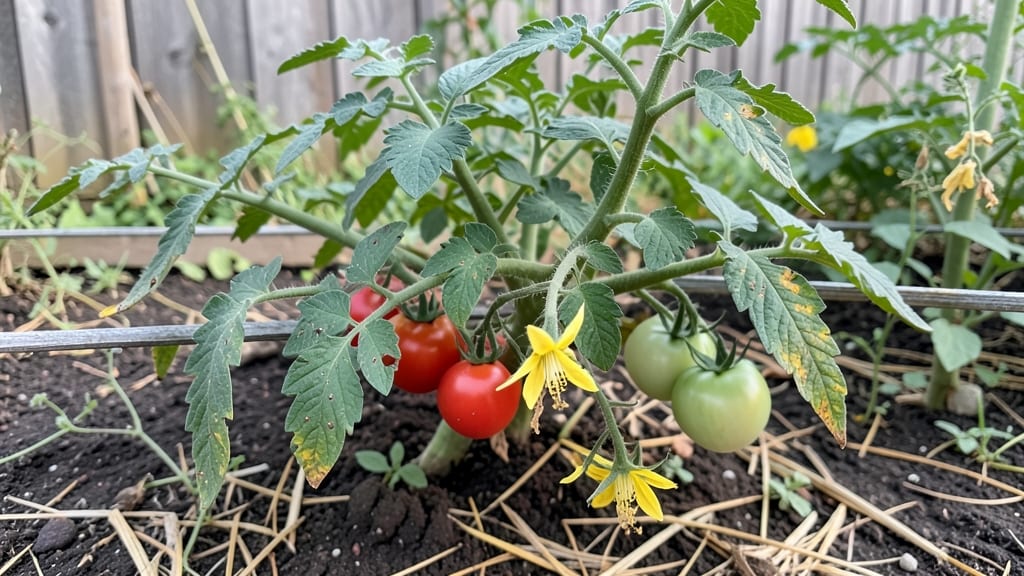
A tomato plant in sunshine thrives with 6 to 8 hours of direct light daily—or it’ll stretch, yellow, and yield bitter fruit. 🌞 I’ve grown tomatoes in everything from sunny backyards to shady balconies, and the difference between a thriving plant and a... sad one always comes down to light.
The key isn’t just hours, though—it’s consistent sunlight, especially in the morning when plants are most active.
Most gardeners assume more sun is always better, but tomatoes in 100°F+ heat will drop flowers and fruit. Instead, focus on morning sun and afternoon shade if you’re in a hot climate.
Containers let you move plants to follow the sun, while greenhouses trap heat—so ventilation becomes just as critical as light exposure. Even in partial shade, varieties like ‘Stupice’ or ‘Sungold’ tolerate lower light better than heirlooms.
You’ll know your tomatoes are happy when leaves stay deep green, not pale, and new growth is compact. A south-facing window or reflective surfaces (like white walls) can boost light in tight spaces.
If your plants are leggy with few leaves, they’re starving for sun—time to relocate or supplement with a grow light. The payoff? Ripe tomatoes all season, even in small setups.
For cooler climates, extend the season with row covers or greenhouse setups—just watch for overheating. And if you’re in a shaded spot, choose determinate varieties that fruit quickly before light drops. The right balance turns even a tiny balcony into a productive tomato patch. Let’s get those plants basking!
📚 In This Guide
- What you need
- Instructions
- Tips and common mistakes
- Wrapping up and next steps
What you need
- ● Tomato Seeds or Seedlings: Compact or dwarf varieties (e.g., Tiny Tim, Patio Princess, or Balcony Red) – 2-4 plants (1 per container if using small pots).
- ● OR 1-2 mature seedlings from a nursery (ensure they’re disease-free!).
- ● Containers or Growing Space: At least 5-gallon pots (12+ inches deep) for each plant, or larger if growing indeterminate varieties.
- ● OR a raised bed (minimum 12" deep) with good drainage.
- ● Vertical garden setup (e.g., trellis, wall pockets, or hanging baskets) for space-saving growth.
- ● High-Quality Potting Mix: 1 bag (1-2 cubic feet) of sterile, well-draining mix (avoid garden soil—it compacts!).
- ○ Optional: Amend with perlite or vermiculite (10% of mix) for aeration.
- ● Sunlight Access: 6+ hours of direct sunlight daily (south-facing window, balcony, or greenhouse).
- ● Grow lights (LED, 1200-1500 lumens) for 12-16 hours/day if indoors.
- ● Pruning shears (for shaping plants and removing suckers).
- ● Trellis or stakes (3-4 ft tall) to support indeterminate varieties.
- ● Fertilizer: Balanced liquid fertilizer (10-10-10 or 5-5-5) for seedlings.
- ● Tomato-specific fertilizer (high in potassium/phosphorus) once flowering starts.
- ● Mulch (straw or shredded leaves) to retain moisture.
- ● pH testing kit (ideal soil pH: 6.0-6.8).
- ● Drip irrigation or spray bottle for gentle watering.
Step-by-Step instructions for maximizing tomato sun exposure
Here’s how to coax the most fruit from your plants using light hacks that work in any space.
☀️ Step 1: Position Plants for Peak Sunlight Daily
Tomatoes need 6-8 hours of direct sunlight for optimal fruit production. Place your plants in the sunniest spot available—even a south-facing window or balcony will work if you rotate pots quarter-turn weekly to prevent leaning. If your space gets partial shade, prioritize morning sun (east exposure) over afternoon shade.
Watch for yellowing leaves or stretched stems—these are signs your plants aren’t getting enough light. In compact spaces, a reflective surface like a white wall or aluminum foil behind pots can bounce extra light onto leaves, boosting photosynthesis by up to 30%.
🪴 Step 2: Optimize Container Placement for Year-Round Sun
Use movable containers to adjust sunlight exposure as the sun shifts seasons. In spring and fall, when the sun sits lower, move pots closer to the light source (within 12 inches of a south-facing window). In summer, increase spacing to 18-24 inches to prevent scorching.
If you’re growing on a balcony or patio, avoid casting shadows from nearby structures. Trim back overhanging branches or relocate pots to eliminate blockages. A sun gauge (like a small stick marked in hours) helps track exposure—place it near your plants to monitor sunlight duration daily.
⏰ Step 3: Supplement Light in Low-Sun Conditions
For spaces with less than 4 hours of direct sun, add a grow light on a timer for 12-14 hours daily. LED grow lights are energy-efficient and emit the blue and red spectrums tomatoes thrive on. Position the light 6-12 inches above the tallest leaves and adjust as plants grow.
I’ve found that full-spectrum bulbs (like 6500K daylight LEDs) produce the best results. Run the light in the morning (6 AM–12 PM) to mimic natural sunlight patterns. Avoid leaving it on 24/7—tomatoes need darkness for flowering and fruit set.
🌿 Step 4: Prune for Better Sun Penetration
Prune suckers (the small shoots that grow between the stem and branches) to improve airflow and sunlight access. Focus on removing leaves that shade the fruit—especially those on the lower third of the plant. This redirect energy to ripening tomatoes and prevents disease from trapped humidity.
Use clean, sharp pruners to cut just above a leaf node. Avoid heavy pruning in late summer, as new growth won’t harden off before frost. Instead, focus on light maintenance pruning to keep the plant’s center open and basking in sunlight.
💧 Step 5: Water Strategically for Sun-Exposed Plants
Tomatoes in full sun dry out faster. Water deeply early in the morning to let foliage dry before evening. Aim for 1-1.5 gallons per plant weekly, adjusting for heat waves. Overhead watering can scorch leaves—use a drip system or water at the base instead.
Check soil moisture by sticking your finger 1 inch deep. If it’s dry, water again. Mulch with 2-3 inches of organic matter (like straw) to retain moisture and regulate soil temperature. This keeps roots cool in intense sun, preventing stress that weakens fruit production.
Tips & tricks for perfect tomato sun exposure
These practical strategies will help you maximize sunlight for your tomato plants, no matter how limited your space.
Light Optimization: The 6-8 hours of direct sunlight mentioned in Step 1 is non-negotiable for optimal fruit production. If you're working with a south-facing window, consider using a rotating pot stand that allows you to reposition your plants quarter-turn weekly. This prevents leaning and ensures all sides get equal exposure. For balcony growers, I've found that placing pots on the eastern side captures morning sun while avoiding the intense afternoon heat that can scorch leaves.
Seasonal Adjustment Strategy: The seasonal adjustments in Step 2 are crucial for year-round success. In spring and fall, when sunlight is less intense, move containers within 12 inches of the window to capture every possible ray. During summer's peak, increase the distance to 18-24 inches to prevent leaf burn. I've seen plants go from struggling to thriving simply by making this seasonal adjustment—it's that impactful.
Grow Light Hack: When supplementing light in Step 3, position your LED grow light 6-12 inches above the tallest leaves and angle it to cover the plant's canopy evenly. I've noticed that running the light during the morning hours (6 AM–12 PM) mimics natural sunlight patterns better than evening exposure. For best results, use a timer to maintain the 12-14 hour daily cycle—this prevents overlighting which can stress plants.
Pruning Precision: When pruning in Step 4, focus on removing leaves that shade the fruit clusters, particularly those on the lower third of the plant. I've found that using clean, sharp pruners and making cuts just above a leaf node prevents disease entry points. For maintenance pruning, I recommend doing it on dry, sunny mornings when the plants are at their strongest—this gives any small cuts time to heal before evening moisture sets in.
Pro Tips for Tomato Plant Sunshine
- These practical strategies will help you maximize sunlight for your tomato plants, no matter how limited your space.
- Light Optimization: The 6-8 hours of direct sunlight mentioned in Step 1 is non-negotiable for optimal fruit production.
- Seasonal Adjustment Strategy: The seasonal adjustments in Step 2 are crucial for year-round success.
Frequently asked questions
Got questions about keeping your tomato plants basking in sunshine—even in tight spaces? Here are some answers to help you grow a thriving harvest year-round!
How many hours of sunlight do tomato plants really need?
Tomatoes thrive with 6–8 hours of direct sunlight daily. In compact spaces, use south-facing windows, grow lights (12–16 hrs/day), or rotate pots weekly for even exposure. Leafy but fruity? Boost light! Fewer leaves but lots of fruit? Add shade cloth (30–50%) to prevent sunburn.
Can I grow tomatoes indoors with just a sunny window?
Yes, but only small varieties like ‘Tiny Tim’ or ‘Patio Princess’ work best. Place pots near the suniest window (south-facing in the Northern Hemisphere). Supplement with a grow light 12–14 inches away for 12+ hours/day if natural light is weak. Watch for leggy growth—rotate plants daily!
What if my space gets too cold for tomatoes?
Tomatoes hate cold drafts (below 50°F/10°C stunts growth). In winter, move pots to a sunny, warm spot (like a greenhouse or near a heat source). Use a space heater with a thermostat (keep temps between 60–85°F/15–29°C). Prune heavily to reduce energy needs and consider dwarf varieties for smaller spaces.
Why aren’t my tomatoes ripening, even with plenty of sun?
Slow ripening often means too little heat or light. Check these fixes:
- Boost light: Add a grow light or move plants to a sunnier spot.
- Warmth: Keep soil temps above 60°F (15°C)—use a heat mat if needed.
- Pollination: Gently shake plants or use a small brush to transfer pollen.
- Variety: Try determinate types (like ‘Roma’) for faster harvests in cool climates.
What’s the best compact setup for year-round tomatoes?
For small spaces, try this combo:
Element
Recommendation
Containers
5-gallon pots (1 plant per pot) or vertical towers (3–4 plants).
Light
South-facing window + LED grow light (full spectrum, 20W+).
Heat
Thermostat-controlled space heater or heat mat for winter.
Variety
‘Balcony Red,’ ‘Micro Tom,’ or ‘Tumbling Tom’ (trailing).
Rotate pots weekly and prune aggressively to save space!
Wrapping up and next steps
Growing tomatoes in compact spaces doesn’t have to be a challenge—with the right sunshine strategies and a little creativity, you can enjoy a year-round harvest even in small areas! 🌱 Whether you’re using containers, vertical gardens, or clever placement tricks, your tomato plants will thrive with 6+ hours of sunlight daily and smart care.
Start small, experiment with what works best for your space, and soon you’ll be reaping homegrown, sun-kissed tomatoes all season long.
Ready to turn your sunny spot into a tomato haven? Pick one hack from this guide and give it a try—your future self (and taste buds!) will thank you. Happy gardening! 🌞