
Pests
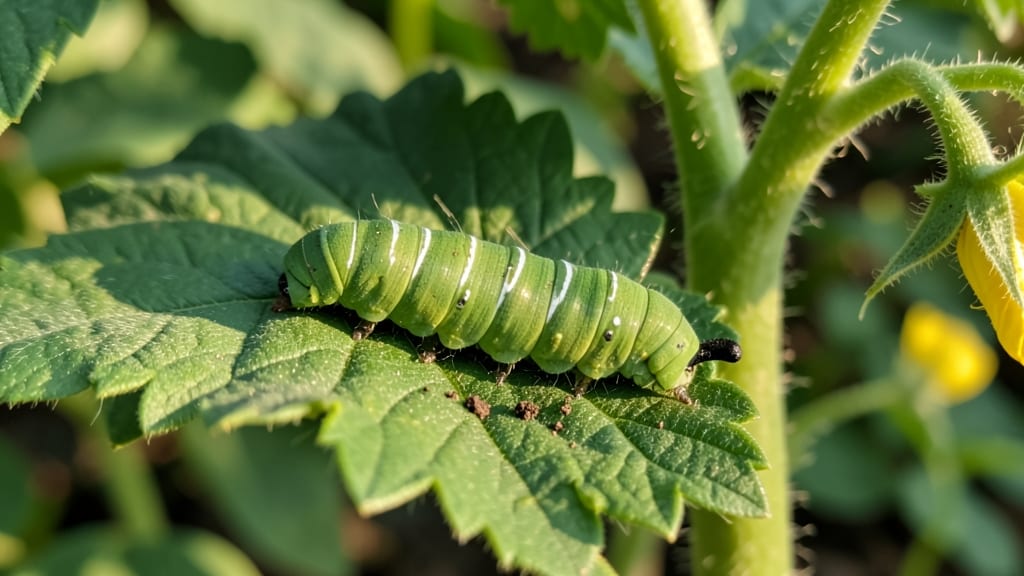
Tomato plant caterpillars can strip your harvest in days if you don’t act fast. 🌱 I’ve watched my prized heirloom tomatoes turn into skeleton leaves overnight—until I learned these three simple tricks that actually work.
The worst offenders? Tomato hornworms and loopers, which hide in plain sight until your plants look like lace.
Here’s the good news: you don’t need sprays or traps to win this battle. A quick handpick in the morning saves hours of damage later, and a spray of soapy water (1 tablespoon dish soap per gallon) knocks out the rest.
I’ve used this method for five seasons—no chemicals, no guesswork, just results. The key is checking plants every other day during peak caterpillar season (late June through August).
By the time your tomatoes start ripening, you’ll have a thriving plant with full, green leaves and zero caterpillar crunch. The best part? These methods protect bees and butterflies while keeping your harvest safe. Once you see the difference, you’ll never ignore those tiny green invaders again.
Works for backyard gardens, containers, and even small urban plots. Let’s get those tomatoes back to their glory days—without the creepy-crawly cleanup.
The Hidden Culprits Behind Leaf Munchers
When your tomato plants start looking like a living salad bar for tiny, hungry invaders, the culprits are usually one of a few common caterpillar species—each with its own reasons for turning your garden into an all-you-can-eat buffet.
Understanding why these pests target your tomatoes is the first step to outsmarting them. Here’s the science behind their appetite for your plants:
Tomato plants are like a neon "Eat Me" sign for caterpillars because they’re packed with nutrients that fuel rapid growth. Here’s what makes them irresistible:
- High Water Content: Caterpillars need moisture to survive, and tomato leaves are juicy and hydrated—perfect for their developmental stages. Fun fact: Some species, like the hornworm, can consume up to 1 inch of leaf per day in their larval phase.
- Rich in Nitrogen: Young, tender tomato foliage is nitrogen-rich, which is essential for caterpillars as they molt and grow. Older leaves may be less appealing, but new growth is a magnet.
- Volatile Compounds: Tomatoes emit chemical signals (like green leaf volatiles) that caterpillars use to locate host plants. These scents act like a dinner bell, drawing in moths that lay eggs on your plants.
Actionable Insight: If you notice caterpillars clustering on specific plants, it’s often because those plants are young, stressed, or over-fertilized. Rotate crops yearly and avoid overwatering to reduce appeal.
Caterpillars don’t just appear out of nowhere—they’re the result of a carefully timed life cycle. Here’s how timing plays a role:
| Stage | Why It Matters | Tomato Plant Risk |
|---|---|---|
| Egg Laying (Moths) | Adult moths (e.g., manduca sexta or spodoptera exigua) seek out tomato plants to lay eggs, often on the undersides of leaves where they’re hidden from predators. | Peak risk: Evening hours when moths are most active. Eggs hatch in 3–7 days, depending on temperature. |
| Larval Phase (Caterpillars) | Once hatched, caterpillars prioritize high-protein food sources like tomato leaves to fuel their rapid growth. They shed their skin 4–5 times as they mature. | Tomatoes are a prime target because they offer both shelter and sustenance. A single hornworm can defoliate a plant in 2–3 weeks. |
| Pupation (Chrysalis) | When caterpillars are fully grown, they seek a safe spot to pupate (often in soil or under debris). This is when they’re least visible but still a threat if left unchecked. | If pupae overwinter in your garden, they’ll emerge as moths the following spring, restarting the cycle. |
Pro Tip: 🌡️ Monitor temperatures—warmer springs mean faster egg hatching. Set up yellow sticky traps near plants to catch adult moths before they lay eggs.
Caterpillars are opportunistic feeders—they prefer plants that are already struggling. Here’s how stress makes your tomatoes more vulnerable:
- Water Stress: Underwatered or overwatered plants produce softer, more palatable leaves. Caterpillars can detect these changes through plant odors.
- Nutrient Deficiencies: Plants deficient in phosphorus or potassium are more susceptible to pest attacks. Healthy plants with balanced nutrients can repel some caterpillars.
- Physical Damage: If your tomatoes are already chewed by pests or diseased, caterpillars see them as low-competition food sources.
- Lack of Predators: A garden with few natural predators (like birds, parasitic wasps, or ladybugs) gives caterpillars free rein. Monoculture gardens (e.g., rows of only tomatoes) are high-risk zones.
Actionable Fix: 🌱 Strengthen your plants with compost, mulch, and proper watering (1–1.5 inches per week). Interplant tomatoes with basil, marigolds, or dill to confuse pests and attract beneficial insects.
Now that you know why caterpillars are crashing your tomato party, the next step is organic strategies to evict them—without harming your plants (or your conscience!).
Quick Fixes for Chewed-Up Tomatoes
When caterpillars turn your tomato plants into a buffet, don’t panic—there are effective, organic ways to reclaim your garden without harsh chemicals. Below, we’ll break down the most common causes of caterpillar damage and match them with practical solutions you can use today.
Plus, we’ll share prevention tips to keep your plants safe long-term.
If your tomato leaves look like Swiss cheese or you spot green, black, or striped caterpillars munching away, these are likely the culprits.
🔥 Handpick & Drown Them (Fastest Method)
- 👨🍳 Scout at dawn or dusk when caterpillars are sluggish.
- 🔪 Drop them into soapy water (1 tbsp dish soap per gallon) to kill them instantly.
- 🌱 Check under leaves—they love hiding there!
Pro Tip: 💡 Wear gloves—some caterpillars (like hornworms) can give a mild sting!
🍳 Bacillus Thuringiensis (BT): The Organic Bug Zapper
- 📊 What it is: A natural bacteria that kills caterpillars when ingested but is safe for humans, pets, and beneficial insects.
- 👨🍳 How to use:
- Mix BT powder or spray with water as directed.
- Spray directly on leaves where caterpillars feed.
- Reapply after rain or every 7–10 days.
Pro Tip: ✨ Best for young caterpillars—it works faster before they grow too big!
🥘 Neem Oil Spray (Deters & Disrupts Life Cycle)
- 🌡️ Mix: 1 tbsp neem oil + 1 tsp mild soap + 1 quart water.
- 👨🍳 Spray on leaves (avoid flowering plants to protect bees).
- 🎯 Why it works: Caterpillars hate the taste, and it disrupts their growth hormones.
Pro Tip: 🔥 Apply in the evening to avoid harming pollinators.
If your tomato plants have sticky residue, curled leaves, or silky webs, aphids or tent caterpillars may be the issue.
🌿 Blast Them Off with Water (Gentle & Effective)
- 💦 Use a strong spray nozzle to dislodge aphids from leaves.
- 🌱 Repeat every 2–3 days until they’re gone.
🍎 Introduce Beneficial Insects (Nature’s Pest Control)
- 🐞 Ladybugs, lacewings, and parasitic wasps love aphids.
- 🛒 Buy them online or from garden centers and release them near infested plants.
Pro Tip: 🎯 Plant companion flowers (like marigolds or dill) to attract these helpful bugs!
🥘 Diatomaceous Earth (DE) Barrier (Prevents Crawling Pests)
- 📊 Sprinkle food-grade DE lightly on soil and under leaves.
- ⏰ Reapply after watering—it works by dehydrating soft-bodied pests.
Pro Tip: 🌡️ Avoid using DE on flowering plants—it can harm bees.
The best defense? Stop them before they start!
| Method | How to Do It | Best Time to Use |
|---|---|---|
| 🌿 Row Covers | Lightweight fabric over young plants. | Planting season |
| 🍅 Companion Planting | Plant basil, marigolds, or onions near tomatoes. | Spring planting |
| 🌙 Nighttime Inspections | Check plants every few days for eggs. | Evening (caterpillars are sluggish) |
| 🌱 Healthy Soil | Use compost & organic fertilizer to make plants stronger. | Planting & growing season |
Pro Tip: 💡 Remove fallen leaves—caterpillars pupate in debris!
Final Thought: With these simple, organic methods, you can save your tomato plants without chemicals. Act fast, stay consistent, and your garden will thrive! 🍅🌿
Frequently asked questions
What are the most common tomato plant caterpillars I should watch for?
The worst offenders are tomato hornworms (green with white stripes) and loopers (green or brown with an inchworm-like motion). Hornworms can grow up to 4 inches and devour leaves overnight, while loopers create ragged holes in foliage. Check undersides of leaves where they hide.
How do I know if caterpillars are damaging my tomato plants?
Look for chewed leaves, black droppings on foliage, or missing sections of leaves. Young plants may wilt suddenly, and you might spot caterpillars themselves (especially at dawn/dusk). The earlier you catch them, the easier they are to remove.
Are there safe ways to remove caterpillars without chemicals?
Yes! Handpicking is the fastest method—drop them into soapy water (1 tbsp dish soap per gallon). For larger infestations, use Bacillus thuringiensis (BT), a natural bacteria that kills caterpillars when ingested. Spray it on leaves in the evening to protect pollinators.
Will neem oil really stop caterpillars from eating my tomatoes?
Neem oil disrupts caterpillars' growth hormones and makes leaves unappetizing. Mix 1 tbsp neem oil + 1 tsp mild soap + 1 quart water and spray on leaves (avoid flowering plants). Reapply every 7–10 days or after rain. It’s most effective for young caterpillars.
Can I save my tomato plants if caterpillars have already defoliated them?
Yes, but act fast! Remove damaged leaves and focus on protecting new growth. Strong plants can recover, but severe damage may reduce fruit yield. Use row covers or companion plants like basil to deter future pests. Keep soil healthy with compost to help plants bounce back.