
Pests
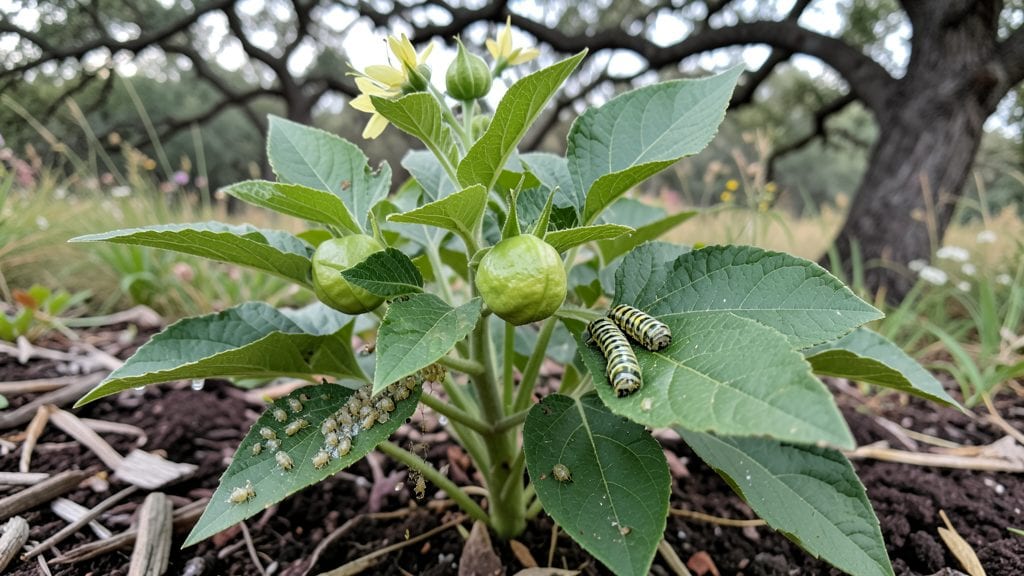
The tomatillo plant pests—aphids, whiteflies, and hornworms—can turn your harvest from abundant to anemic in weeks, but I’ve learned how to spot them early and stop them. 🌿 I’ve lost entire batches to these sneaky invaders. before they ruin your plants.
The key is knowing what to look for on leaves, stems, and fruit so you can act fast.
Most damage starts small: sticky residue from aphids, tiny white specks fluttering away when you disturb leaves, or overnight disappearances of entire leaves. These pests thrive in warm, humid conditions, which is why Southwest gardeners see them earlier in the season.
The good news? Simple organic sprays like neem oil or insecticidal soap work wonders if you catch them before they spread.
By the time you finish this guide, you’ll recognize the 10 worst pests on sight and know exactly how to eliminate them—without harsh chemicals. Your plants will stay lush, your fruit will stay intact, and you’ll save your harvest from becoming a buffet for bugs.
Let’s get your tomatillos back on track.
Whether you’re in Arizona’s heat or the Pacific Northwest’s damp summers, these solutions adapt to your climate. The secret isn’t just reacting—it’s preventing pests before they even show up. Ready to protect your plants?
Root Causes of Tomatillo Pest Attacks
Tomatillo plants may seem resilient, but they’re not immune to pests—especially when environmental and cultural factors create the perfect storm for infestations. Understanding why these pests target your tomatillos is the first step to prevention.
Below, we break down the science behind common triggers, from soil conditions to plant stress, so you can fortify your garden before trouble arrives.
Healthy soil equals healthy plants—and pests know this. When your tomatillo’s root system struggles due to nutrient deficiencies, compacted soil, or improper pH, the plant weakens, making it an easy target for chewers, suckers, and borers. Here’s how it happens:
- Nitrogen Deficiency: Pests like aphids and whiteflies flock to nitrogen-starved plants because they’re easier to feed on. Low nitrogen = softer, more sap-rich leaves = all-you-can-eat buffet for bugs. 🍽️
- Compacted or Waterlogged Soil: Roots suffocate in dense or soggy soil, stunting growth and emitting stress signals (like volatile organic compounds) that attract pests. Fungal gnats and root maggots thrive in these conditions, laying eggs in damp, oxygen-deprived zones.
- Imbalanced pH: Tomatillos prefer slightly acidic soil (pH 6.0–7.0). If your soil is too alkaline (pH >7.5), micronutrient uptake fails, leaving plants vulnerable. Spider mites and thrips also prefer dry, alkaline environments, which stress plants further.
💡 Pro Tip: Test your soil every 2–3 years. Amend with compost, perlite, or sulfur to adjust pH and improve drainage. A thriving root system is your best defense!
Tomatillos need space to breathe—literally. When plants are too close together, airflow stagnates, humidity rises, and leaves stay damp longer. This creates a pest paradise:
- Fungal Gnats & Shore Flies: These pests love moist, shaded soil and leaf litter. Overcrowding traps moisture, turning your garden into their nursery. Larvae feed on roots, while adults lay eggs in damp mulch.
- Whiteflies & Aphids: Poor ventilation lets these sap-suckers multiply unchecked. They thrive in warm, humid microclimates created by dense foliage, spreading viruses like tomatillo mosaic as they feed.
- Slugs & Snails: Dense plantings provide shelter and easy access to tender young leaves. Without airflow, baits and natural predators (like birds) are less effective.
🎯 Fix It: Space tomatillos 18–24 inches apart in rows 2–3 feet apart. Prune lower leaves to improve airflow, and avoid overhead watering to keep foliage dry.
Stressed tomatillos send out distress signals—literally. When plants experience drought, extreme heat, or sudden temperature swings, they produce volatile organic compounds (VOCs) that attract pests. Here’s the breakdown:
| Stress Trigger | Pest Response | Why It Works for Them |
|---|---|---|
| Drought Stress | Spider Mites, Thrips | Dry conditions make leaves crispy and easy to pierce. Mites spin webs to trap moisture, while thrips feed on damaged tissue. |
| Frost or Cold Snaps | Aphids, Cabbage Loopers | Cold weakens cell walls, making sap easier to extract. Loopers target tender new growth that emerges after temperature fluctuations. |
| Excessive Heat | Tomato Hornworms, Flea Beetles | Heat-stressed plants produce more sugars in leaves, attracting hornworms. Flea beetles chew stressed foliage, creating entry points for disease. |
🌡️ Prevention: Mulch with straw or wood chips to regulate soil temperature. Use drip irrigation to keep roots consistently moist without wetting leaves. Avoid sudden fertilizer spikes, which can burn roots and invite pests.
Pests don’t attack randomly—they follow the calendar. Tomatillo pests often surge during specific life stages or weather patterns:
- Early Season (Spring):
- Flea Beetles emerge as soil warms, targeting young seedlings.
- Cabbage Loopers lay eggs on cool nights, hatching when temps rise.
- Mid-Season (Summer):
- Spider Mites explode in dry, hot conditions (think: 85°F+).
- Whiteflies thrive in humid afternoons, clustering on undersides of leaves.
- Late Season (Fall):
- Aphids and Japanese Beetles seek out stressed plants as days shorten.
- Root-Knot Nematodes become active in warm soil, attacking weakened roots.
⏰ Actionable Tip: Monitor your garden weekly. Use yellow sticky traps for whiteflies in summer and row covers in early spring to block beetles. Rotate crops annually to disrupt pest life cycles.
By addressing these root causes—soil health, spacing, stress, and seasonality—you’ll disrupt the conditions that pests rely on. The key? Proactive care beats reactive sprays every time. 🚀
Quick Fixes for Tomatillo Plant Pests
Pests can turn your thriving tomatillo plants into a battleground, but don’t panic—most issues have simple, effective solutions. Below, we’ll tackle the top causes of damage and pair them with practical fixes, from organic remedies to preventive strategies.
Whether you’re dealing with chewing insects, sap-suckers, or fungal hitchhikers, these steps will help you reclaim your garden without harsh chemicals.
Signs: Ragged leaves, holes, or entire fruits eaten overnight. Why it happens: These pests munch directly on plant tissue, leaving visible destruction.
How to Stop Them
🔥 Handpick & Remove
- Morning patrol: Check plants early (when pests are sluggish) and drop them into soapy water. 🦗💦
- Nighttime raids: Use a flashlight to spot slugs and beetles after dark—crush or relocate them.
🍳 DIY Sprays (Safe & Effective)
- Neem oil spray: Mix 1 tbsp neem oil + 1 tsp mild soap + 1 quart water. Spray leaves (especially undersides) every 5–7 days. 🌿✨
- Garlic-chili spray: Blend 3 garlic cloves + 1 tbsp cayenne pepper + 1 quart water. Strain and spray on pests. 🌶️🧄
- Beer traps for slugs: Bury a shallow dish filled with beer near plants—slugs crawl in and drown. 🍺🐌
👨🍳 Physical Barriers
- Copper tape: Wrap around pots or garden beds to repel slugs (they hate the electric shock!). ⚡🛡️
- Row covers: Use lightweight fabric to block beetles and caterpillars from laying eggs.
💡 Prevention Tip:
- Plant companions: Interplant with basil, marigolds, or nasturtiums—their strong scents deter pests. 🌼💨
- Cleanup: Remove fallen fruit and debris where pests hide.
Signs: Sticky residue (honeydew), yellowing leaves, or tiny webs. Why it happens: These pests pierce plant cells to feed, weakening growth and spreading disease.
How to Stop Them
🔪 Blast Them Off
- Strong water spray: Use a hose to dislodge aphids and whiteflies from leaves. Repeat every 2–3 days. 💦🚿
- Yellow sticky traps: Hang near plants to catch flying whiteflies. 🎣🐛
🌡️ Heat & Soap Treatments
- Insecticidal soap: Spray directly on pests (avoid hot sun—it can burn leaves). 🧼🔥
- Horticultural oil: Apply in early morning/evening to suffocate mites and aphids. ⛽️🕷️
🎯 Biological Control
- Ladybugs: Release them in the garden—they eat aphids voraciously! 🐞🍎
- Predatory mites: Introduce Phytoseiulus persimilis for spider mite control. 🕷️💥
💡 Prevention Tip:
- Dusty leaves = happy mites. Wipe leaves with a damp cloth weekly to remove webs and eggs. 🧹🌿
- Avoid over-fertilizing: Too much nitrogen attracts aphids. 🚫💨
Signs: Spots, mold, wilting, or oozing lesions. Why it happens: Overwatering, poor airflow, or contaminated tools spread these issues.
How to Stop Them
✨ Fungicide Sprays (Organic Options)
- Baking soda spray: Mix 1 tbsp baking soda + 1 tsp soap + 1 gallon water. Spray every 7–10 days. 🍞🌱
- Copper fungicide: Use according to package instructions for bacterial spot. 🟦🛡️
🌬️ Improve Airflow & Hygiene
- Prune plants: Remove crowded branches to allow airflow. 🌿💨
- Sterilize tools: Wipe pruners with rubbing alcohol between uses. 🔪🧴
- Water at the base: Avoid wetting leaves to prevent fungal spores from clinging. 💧🌱
💡 Prevention Tip:
- Crop rotation: Don’t plant tomatillos in the same spot yearly to break disease cycles. 🔄🌍
- Resistant varieties: Choose disease-resistant tomatillo strains if pests are recurrent. 🛡️🌿
🎯 Pro Tip for All Pests: Monitor regularly! Check plants 2–3 times a week (especially undersides of leaves) to catch issues early. Early action = less damage. 🕵️♂️🔍
By combining quick fixes with long-term prevention, you’ll keep your tomatillo plants healthy and pest-free—so you can enjoy a bountiful harvest without the hassle! 🌱🍅
Frequently asked questions
What are the most common pests that attack tomatillo plants?
The top culprits include aphids, whiteflies, tomato hornworms, flea beetles, and slugs. These pests target leaves, stems, and fruit, causing damage through chewing, sucking sap, or spreading disease. Early identification is key to preventing severe infestations.
How do I know if my tomatillo plants have pests?
Watch for holes in leaves, sticky residue (honeydew), yellowing foliage, or tiny webs on undersides. Chewing pests leave ragged edges, while sap-suckers like aphids create curled or distorted leaves. Check plants 2-3 times weekly, especially after rain or heatwaves.
Can I use neem oil on tomatillo plants?
Yes! Neem oil is excellent for controlling aphids, whiteflies, and spider mites. Mix 1 tablespoon neem oil + 1 teaspoon mild soap + 1 quart water, then spray leaves (especially undersides) every 5-7 days. Apply in the early morning or evening to avoid leaf burn from sunlight.
Will companion planting keep pests away?
Planting basil, marigolds, or nasturtiums near tomatillos repels many pests naturally. Basil deters whiteflies, marigolds confuse beetles, and nasturtiums trap aphids. Space companions 12-18 inches apart for maximum effectiveness and improve airflow around your tomatillo plants.
What should I do if my tomatillos already have a severe infestation?
Act fast! Remove heavily damaged leaves and fruit, then apply insecticidal soap or neem oil immediately. For chewing pests like hornworms, handpick them daily. If fungal issues appear, use a baking soda spray (1 tbsp baking soda + 1 tsp soap + 1 gallon water). Isolate affected plants to prevent spread.