
Diseases
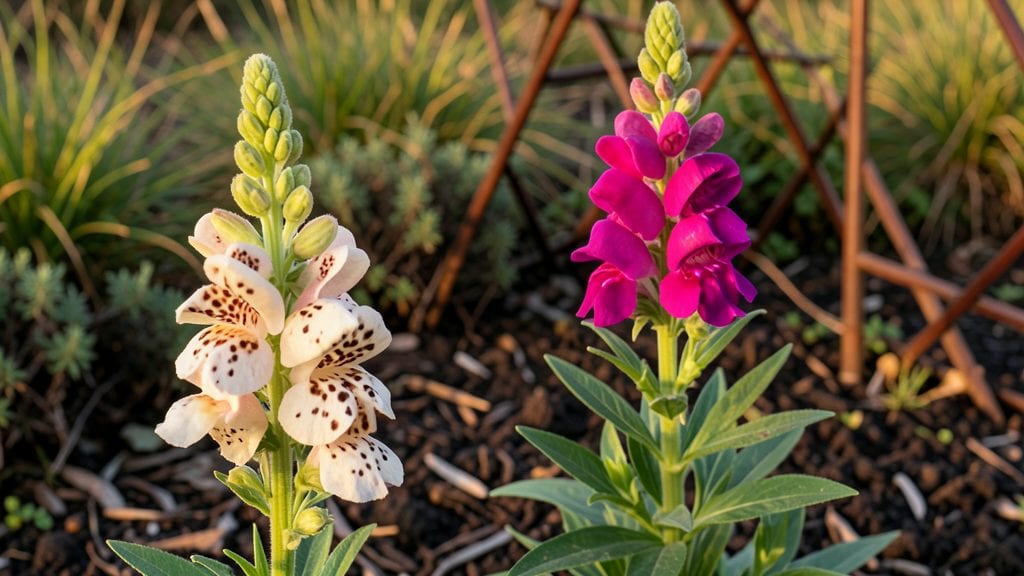
Snapdragon plant diseases can turn vibrant blooms into sad, spotted messes before you even notice—until it’s too late. 🌿 I’ve watched my own snapdragons go from showstopping spikes to limp, discolored shadows in just a few weeks, and I’ll save you from that heartbreak.
The key is catching problems early, when a quick fix still works instead of scrubbing down your garden tools after a full-blown outbreak.
Most snapdragon diseases start with moisture—too much rain, crowded plants, or water splashing on leaves. Powdery mildew shows up as white dust, while downy mildew leaves yellow splotches on the undersides of leaves.
Bacterial spots create tiny black dots that multiply fast, and verticillium wilt causes stems to blacken at the base. The good news? All of these have solutions, from preventive sprays to targeted treatments that won’t harm your bees or butterflies.
You’ll learn to diagnose diseases by leaf patterns, stem changes, and growth habits—no fancy lab needed. A simple neem oil spray can stop powdery mildew in its tracks, while copper fungicide tackles bacterial spots before they spread.
For wilt, prune infected stems immediately and sterilize your tools between cuts. The goal? Keep your snapdragons thriving all season long, even when the weather tries to sabotage them.
This works for both backyard gardens and container-growing setups, and I’ll walk you through when to pull the plug on a hopeless plant versus fighting to save it. Let’s get those snapdragons back to their best—before the next downpour hits.
Root Causes Of Snapdragon Ailments
Snapdragons (Antirrhinum majus) are stunning garden stars, but their vibrant blooms can quickly fade when diseases strike. Understanding why these issues arise is the first step to prevention and recovery.
Below, we break down the science behind the most common culprits—from fungal invaders to environmental stressors—and explain how they exploit your plants' weaknesses.
Fungi thrive in moist, stagnant conditions, making them the #1 enemy of snapdragons. These microscopic organisms don’t just appear—they wait for the perfect opportunity to latch on.
- Overhead Watering: When water droplets linger on leaves (especially at night), fungi like Botrytis cinerea (gray mold) or Alternaria (leaf spot) get a foothold. Splashing soil onto foliage spreads spores like wildfire.
- Poor Air Circulation: Dense plantings or crowded containers trap humidity, creating a fungal paradise. Powdery mildew (Erysiphe) spreads rapidly in these conditions, coating leaves in a chalky white film.
- Stressed Plants: Drought or nutrient deficiencies weaken snapdragons, making them less resistant to fungal attacks. Fungi sense this vulnerability and strike fast.
Pro Tip: 💡 Fungi love darkness and dampness—water in the morning, space plants for airflow, and avoid mulching too close to stems.
Snapdragons aren’t just battling pathogens—they’re also fighting extreme or inconsistent growing conditions. These stressors don’t kill plants outright, but they open the door for diseases to move in.
| Stressor | How It Weakens Snapdragons | Diseases It Invites |
|---|---|---|
| Temperature Swings | Cold nights (<60°F) followed by hot days disrupt metabolism, slowing recovery from damage. | Verticillium wilt, Fusarium (root rot) |
| Excessive Moisture | Waterlogged soil cuts off oxygen, suffocating roots and inviting Pythium or Phytophthora. | Root rot, damping-off (seedlings) |
| Nutrient Imbalances | Too much nitrogen = lush, weak growth; too little phosphorus = stunted roots. | Fungal leaf spots, powdery mildew |
Key Insight: ✨ Snapdragons prefer consistency—aim for well-draining soil, even moisture, and moderate temps (65–75°F) to keep them resilient.
Not all threats are microscopic. Insects like aphids, thrips, and whiteflies don’t just sap plant sap—they spread fungal spores and bacterial cells on their bodies and excrement. Here’s how:
- Aphids: Their sticky honeydew attracts sooty mold (Capnodium), which smothers leaves and blocks sunlight.
- Thrips: They puncture plant cells, creating entry points for bacterial leaf spot (Xanthomonas).
- Slugs & Snails: Their slime trails introduce Botrytis spores to fresh wounds on stems and leaves.
Actionable Fix: 🎯 Monitor undersides of leaves (pests love shade) and use neem oil or insecticidal soap to disrupt their lifecycle before diseases hitch a ride.
By addressing these root causes, you’re not just treating symptoms—you’re starving the problem at its source. Next, we’ll dive into early warning signs so you can act before diseases take hold.
Quick fixes for snapdragon plant woes
When your snapdragons start showing signs of distress—whether it’s spotted leaves, wilting stems, or unusual growth—acting fast can save your plants. Below, we break down the most common diseases and pests, along with practical, step-by-step solutions to revive your snapdragons.
Prevention tips are included to keep your garden thriving long-term!
🔥 Stop the Spread
Fungal diseases like powdery mildew and leaf spot thrive in humid, poorly ventilated conditions. Here’s how to tackle them:
- 🍳 Prune Infected Areas Use clean, sharp pruners to remove yellowed or spotted leaves. Dispose of them in the trash (not compost) to prevent reinfection.
- 👨🍳 Apply Fungicide Spray plants with a mix of 1 tsp baking soda + 1 quart water + a few drops of dish soap (as a natural fungicide). For severe cases, use a copper-based or neem oil fungicide (follow label instructions).
- 🌡️ Improve Airflow & Light Space plants 12–18 inches apart and avoid overhead watering. Water at the base in the morning so leaves dry quickly.
💡 Prevention Tips
- ✨ Rotate crops—don’t plant snapdragons in the same spot yearly.
- 🌡️ Water early in the day to reduce humidity at night.
- 🎯 Use mulch (like straw) to keep soil moist but not soggy.
🔪 Manual Removal & Natural Repellents
Pests like aphids and spider mites suck sap, causing stunted growth and curled leaves. Try these fixes:
- 🍳 Blast Off Pests Spray plants with a strong stream of water to dislodge aphids and whiteflies. Repeat every few days.
- 👨🍳 Introduce Beneficial Insects Ladybugs and lacewings eat aphids naturally. Buy them online or attract them with dill or fennel plants.
- 🥘 Neem Oil Spray Mix 1 tbsp neem oil + 1 tsp mild soap + 1 quart water. Spray undersides of leaves (where pests hide) every 5–7 days.
💡 Prevention Tips
- 🌡️ Inspect new plants before bringing them home.
- 🎯 Avoid over-fertilizing—soft new growth attracts pests.
- 🔥 Use reflective mulch (like aluminum foil) to deter whiteflies.
⏰ Drainage Fixes
If your snapdragons look mushy at the base or yellow from the bottom up, root rot may be the culprit.
- 🍳 Check the Soil Stick your finger 1–2 inches into the soil. If it’s soggy, stop watering immediately.
- 👨🍳 Repot or Improve Drainage If the roots smell rotten, trim away mushy sections with sterilized scissors, then repot in fresh, well-draining soil (add perlite or sand).
- 🥘 Adjust Watering Habits Water only when the top inch of soil is dry. Use pots with drainage holes and avoid saucers that trap water.
💡 Prevention Tips
- ✨ Use raised beds if your garden has poor drainage.
- 🌡️ Water deeply but less often—better to underwater than overwater.
- 🎯 Choose fast-draining pots (terracotta or fabric grow bags).
If your snapdragons are just under the weather (not necessarily diseased), these steps can help:
- 🍳 Trim Back Dead Growth – Encourages new, healthy shoots.
- 👨🍳 Feed with Balanced Fertilizer – Use a 10-10-10 or organic fish emulsion to boost recovery.
- 🥘 Move to Better Light – Snapdragons need 6+ hours of sun daily; move them if they’re in shade.
- 🌡️ Monitor Moisture – Stick to a watering schedule (every 2–3 days in summer, less in winter).
Pro Tip: Always sterilize pruners with rubbing alcohol between cuts to prevent spreading disease! 🔥
Frequently asked questions about snapdragon plant diseases
What’s the first sign my snapdragons have powdery mildew?
Look for a white, powdery coating on leaves—especially on the tops—starting as small patches that grow faster in humid conditions. The undersides of leaves stay clean at first, but check there too as it spreads. Remove infected leaves immediately and improve airflow between plants.
Can I still save snapdragons with black spots on the leaves?
Yes, but act fast! Black spots (often bacterial or fungal) mean you need to prune affected leaves and apply a copper fungicide or neem oil spray. Sterilize your tools with rubbing alcohol between cuts to prevent spreading. If over 50% of leaves are damaged, consider replacing the plant to save the rest.
Why do my snapdragons suddenly wilt even when the soil is moist?
This could signal verticillium wilt or root rot. Check the stems for black streaks (verticillium) or mushy, discolored roots (root rot). If it’s wilt, prune infected stems below the blackened areas and repot in fresh, well-draining soil. Avoid overwatering—let the top 1 inch of soil dry between waterings.
Is neem oil safe to use on snapdragons with open flowers?
Neem oil is generally safe, but avoid spraying directly on blooms to protect pollinators. Focus on leaves and stems, and apply in the early morning so it dries before bees visit. For flowers, use a baking soda spray (1 tsp baking soda + 1 quart water) as a gentler alternative.
How do I prevent diseases when growing snapdragons in containers?
Use pots with drainage holes and avoid saucers that trap water. Water at the base (not overhead) and space containers 6–12 inches apart for airflow. Sterilize pots between uses with a 10% bleach solution (rinse well) to kill lingering spores.