
Vegetables
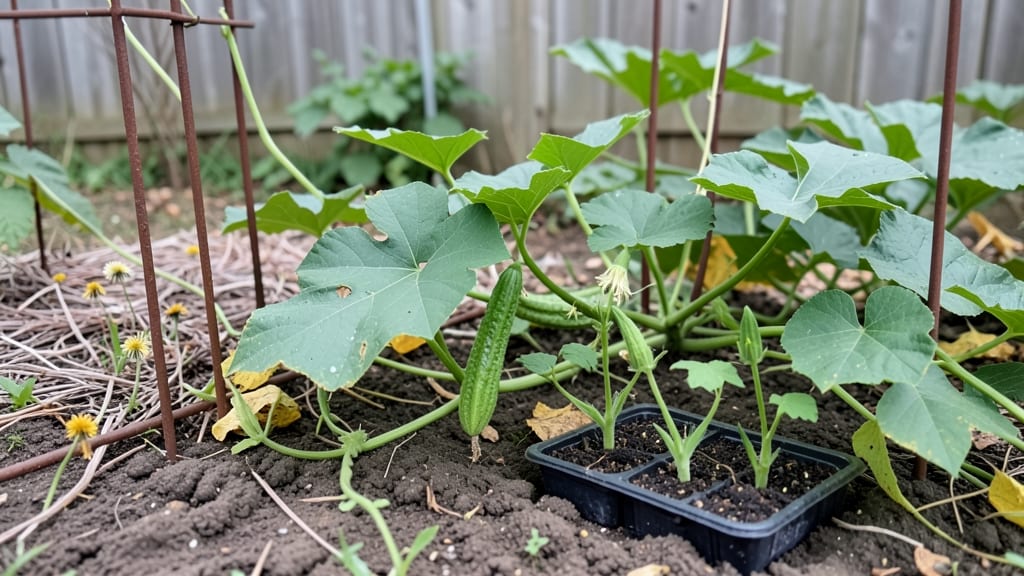
Planting ridge gourds in well-drained soil means 90-day harvests of crisp, mild-flavored vines that outperform store-bought options. I learned the hard way that soggy soil and poor spacing kill these fast growers—until I mastered the right balance of warmth, space, and patience.
The first green tendrils appear within 10 days if you nail the conditions, and those vines will climb like crazy once they get going.
You’ll need a sunny spot with 6+ hours of direct light daily, loose soil mixed with compost, and sturdy trellises or fences for those vines to climb.
Seeds germinate best when soil stays between 75-85°F, so wait until after your last frost or use a heat mat if starting indoors. Spacing matters too—3-4 feet apart gives vines room to sprawl without competing for nutrients.
By mid-season, you’ll be harvesting 12-18-inch gourds with smooth, pale green skin and tender flesh—perfect for stir-fries or fresh eating. The key is consistent watering (keep soil moist but not soggy) and watching for powdery mildew early on.
A quick spray of neem oil keeps the leaves happy, and pruning side shoots encourages bigger main vines.
This works in zones 7-10 during warm seasons, but even cooler climates can grow them in containers moved indoors at night. The biggest mistake? Letting vines get too crowded—thin seedlings early to avoid disease. With the right setup, you’ll have a vine-covered treasure trove by summer’s end.
📚 In This Guide
- What you need
- Instructions
- Tips and common mistakes
- Wrapping up and next steps
What you need
- ● Ridge Gourd Seeds: 5–10 seeds per plant (or 100–200 seeds for a larger garden). Choose disease-resistant varieties like ‘Pusa Nasdar’ or ‘Arka Surya’.
- ● Well-draining soil: Mix 2 parts garden soil with 1 part compost or coconut coir for optimal growth.
- ● Support structures: Trellis or netting (6–8 ft tall) for climbing vines.
- ● Or, use sturdy stakes (5–6 ft long) spaced 2–3 ft apart.
- ● Organic fertilizer: 1 cup of well-rotted cow dung or compost per planting hole.
- ● Watering can or hose: With a gentle spray nozzle to avoid damaging vines.
- ● Pruning shears: For trimming excess growth and shaping plants.
- ● Mulch: Straw or dry leaves to retain soil moisture and suppress weeds.
- ● Neem cake or organic pesticide: To deter pests like aphids or fruit borers.
- ● Grow lights (for indoor setups): 12–14 hours of light daily if starting seeds inside.
- ● pH testing kit: Ideal soil pH for ridge gourds is 6.0–6.8.
- ● Harvest basket or gloves: For easy picking and handling spiky gourds!
Step-by-step instructions for planting ridge gourds
Here's how to grow vigorous ridge gourd vines that produce abundant fruit in just three months.
Prepare the Planting Site
Ridge gourds thrive in warm, sunny conditions with well-draining soil. Choose a location that receives at least 6-8 hours of direct sunlight daily. If your soil is heavy clay, amend it with 2-3 inches of compost mixed into the top 12 inches of soil to improve drainage and fertility. Ridge gourds dislike soggy roots, so avoid low-lying areas where water pools after rain.
Test your soil's pH before planting—ridge gourds prefer a slightly acidic to neutral range of 6.0-7.0. If your soil is alkaline, add sulfur or peat moss to adjust the pH gradually. Work the amendments into the soil 2-3 weeks before planting to allow microorganisms time to break them down. The goal is loose, crumbly soil that holds moisture without becoming compacted.
Plant Seeds at the Right Depth and Spacing
Start seeds indoors 4-6 weeks before the last frost date in your area, or sow directly in the garden after all danger of frost has passed and soil temperatures reach 70°F or higher. Plant seeds 1 inch deep, spacing them 3-4 feet apart in rows that are 5-6 feet apart. Ridge gourds are vigorous climbers, so give them plenty of room to sprawl.
If you're sowing directly outdoors, create small mounds of soil to plant the seeds on. This helps prevent rot and improves drainage. After planting, cover the seeds lightly with soil and water gently to settle it around the seeds. Avoid overwatering at this stage—ridge gourd seeds need consistent moisture but can rot if the soil becomes waterlogged. Keep the soil evenly moist until germination, which typically occurs within 7-14 days at optimal temperatures.
Provide Support and Encourage Vine Growth
As seedlings emerge, they’ll develop into fast-growing vines that need sturdy support. Install trellises, cages, or strong stakes near each plant to guide the vines upward. Ridge gourds can grow 10-15 feet long, so ensure your support structure is at least 6 feet tall and reinforced to handle the weight of the vines and fruit. Weave the vines gently through the trellis as they grow to encourage upward growth and improve air circulation, which reduces the risk of fungal diseases.
Once the vines start climbing, apply a balanced fertilizer with equal parts nitrogen, phosphorus, and potassium (e.g., 10-10-10) at half strength. Feed the plants every 4-6 weeks during the growing season to promote healthy foliage and fruit production. Avoid over-fertilizing with nitrogen, as this can lead to excessive leaf growth at the expense of fruit. Instead, focus on a moderate feeding schedule to balance growth and productivity.
Water and Maintain for Optimal Fruit Production
Water ridge gourds deeply 1-2 times per week, ensuring the soil remains evenly moist but not waterlogged. The key is consistency—ridge gourds are drought-sensitive, and uneven moisture can cause blossom end rot or poor fruit development. Water at the base of the plant in the early morning to allow foliage to dry quickly, reducing the risk of fungal infections. Mulch around the base with 2-3 inches of organic mulch to retain moisture and suppress weeds.
Monitor the vines regularly for pests like cucumber beetles or aphids, which can damage young plants. If you spot signs of infestation, such as chewed leaves or sticky residue on the foliage, treat the plants with neem oil or insecticidal soap as needed. Prune any yellowed or diseased leaves promptly to maintain airflow and prevent the spread of pathogens. With proper care, you’ll see first fruits forming in about 60-70 days after planting, with a full harvest ready in 90 days.
Harvest and Extend the Growing Season
Harvest ridge gourds when they reach 6-8 inches in length and the skin turns a dull green or light yellow, depending on the variety. Use a sharp knife or pruners to cut the fruit from the vine, leaving a small stem attached. Handle the gourds gently to avoid bruising, as damaged fruit spoils quickly. For continuous harvests, pick fruits regularly—this encourages the plant to produce more vines and additional fruit.
To extend the growing season, protect young plants from early frosts with row covers or cloches. Ridge gourds are sensitive to cold, so if you live in a cooler climate, consider starting seeds indoors and transplanting after the last frost. With the right conditions, you can enjoy a bountiful harvest of ridge gourds for fresh eating, stir-fries, or preserving throughout the season.
Tips & tricks for perfect ridge gourd planting
Growing ridge gourds successfully comes down to understanding their unique needs—here are the insights that'll help you cultivate thriving vines.
Soil Preparation is Everything: The 2-3 weeks you spend amending your soil before planting pays off dramatically. Ridge gourds hate soggy roots, so focus on creating that loose, crumbly texture by mixing compost into the top 12 inches. I've seen heavy clay gardens transform completely with this approach—it's worth the patience. The goal is soil that holds moisture like a sponge but never stays waterlogged.
Timing Your Planting: Those 4-6 weeks before last frost for indoor starts are critical. If you're sowing directly outdoors, wait until soil temperatures consistently reach 70°F—any cooler and germination slows dramatically. I learned this the hard way when my seeds took 21 days to sprout instead of the expected 7-14 days. Use a soil thermometer to check temperatures, especially in cooler climates.
Support Structure Matters: Don't skimp on trellis height—ridge gourd vines can reach 15 feet, and a 6-foot structure will leave them struggling. I recommend using sturdy metal cages or reinforced wooden trellises that can handle the weight of both vines and fruit. The upward growth you encourage with proper support actually improves air circulation, which significantly reduces fungal diseases that plague ground-hugging gourds.
Fertilizing Strategy: That balanced 10-10-10 fertilizer at half strength every 4-6 weeks is your secret weapon. Too much nitrogen creates lush leaves but few fruits—the exact opposite of what you want. I've found that ridge gourds respond beautifully to a moderate feeding schedule. The key is consistency: don't overdo it at any single feeding, but maintain that regular interval throughout the growing season.
Pro Tips for Ridge Gourd Planting
- Growing ridge gourds successfully comes down to understanding their unique needs—here are the insights that'll help you cultivate thriving vines.
- Soil Preparation is Everything: The 2-3 weeks you spend amending your soil before planting pays off dramatically.
- Timing Your Planting: Those 4-6 weeks before last frost for indoor starts are critical.
Frequently asked questions
Got questions about growing ridge gourd? You’re not alone!
Here are answers to the most common queries—from timing to troubleshooting—to help you cultivate a thriving harvest.
When is the best time to plant ridge gourd seeds?
Plant ridge gourd seeds after the last frost when soil temperatures reach at least 60°F (15°C). In warmer climates (Zones 8-11), start in early spring (March–April) or late summer (August–September) for a fall harvest. In cooler regions (Zones 3-7), wait until May–June for optimal growth.
How long does it take for ridge gourds to mature?
With proper care, ridge gourds typically mature in 90–120 days after planting. Young gourds (3–5 inches) are ready to harvest for tender, edible skin, while mature gourds (8+ inches) can be used for storage or decorative purposes. Harvest early to encourage more production!
Can I grow ridge gourds in containers or small spaces?
Ridge gourds thrive in 5-gallon containers or larger with 12–18 inches of depth. Use a trellis or cage to support vines and ensure full sun (6+ hours daily). Just avoid overcrowding—space plants 2–3 feet apart (or 1 plant per container).
Why aren’t my ridge gourd plants flowering or fruiting?
Common culprits include cool temperatures (below 60°F), lack of sunlight, or poor pollination. Try these fixes:
- Hand-pollinate flowers with a soft brush if bees are scarce.
- Ensure consistent watering (1–2 inches per week) without soggy soil.
- Move plants to a sunnier spot if shade is the issue.
- Fertilize with balanced 10-10-10 when flowers appear.
What’s the best way to store harvested ridge gourds?
Store unripe gourds in a cool, dark place (50–55°F) for up to 2 weeks. For long-term storage (months), cure mature gourds by drying them in the sun for 3–5 days, then store in a dry, ventilated area. Pro tip: Avoid refrigeration—it causes rot!
Wrapping up and next steps
Growing ridge gourd is a rewarding journey that turns your sunny patch into a lush, productive vineyard in just 90 days! 🌱 With the right soil, spacing, and care, you’ll enjoy crisp, nutritious harvests that add versatility to your meals.
Whether you’re a beginner or a seasoned gardener, the key is patience and consistency—watch those vines climb and thrive!
Ready to dive in? Start by gathering your supplies (like seeds, trellises, and compost) and mark your calendar for planting season. Then, roll up your sleeves—your garden (and taste buds!) will thank you. Happy growing! 🌿