
Shrubs
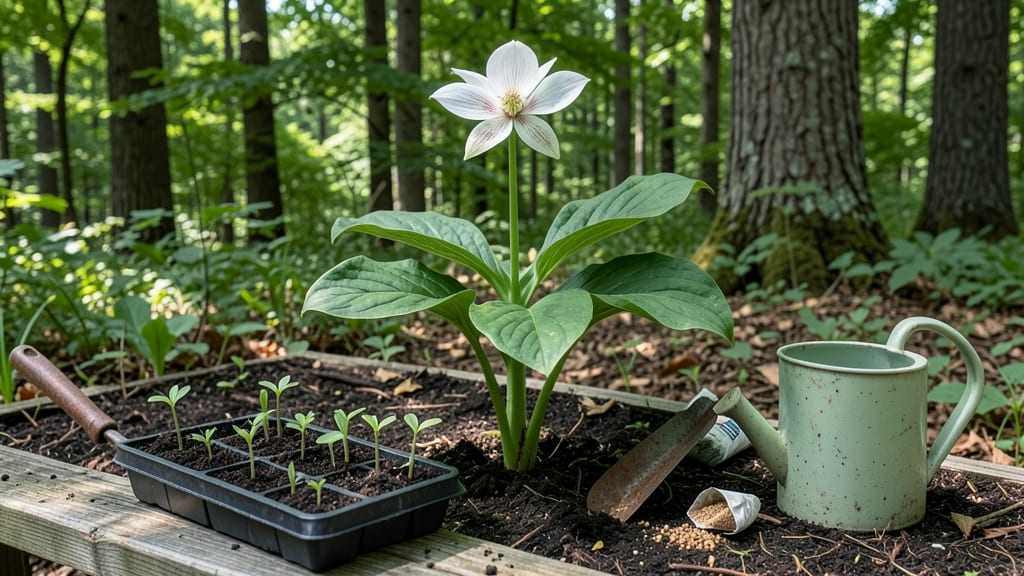
Planting Red Robin shrubs means year-round color that turns heads from spring through winter. 🌿 I’ve watched mine transform from bare branches in January to a cascade of red blooms by February—something most shrubs can’t do.
The secret isn’t just the planting; it’s how you set them up to thrive in the first place.
Start with well-draining soil mixed with compost—Red Robins hate soggy roots. Pick a spot with at least 6 hours of sun, though they tolerate partial shade better than many flowering shrubs.
Dig a hole twice as wide as the root ball but only as deep, then water thoroughly before planting. Spacing matters too: give them 4-6 feet apart to prevent future crowding.
After planting, keep the soil consistently moist for the first month, then taper off to deep watering once a week. The real magic happens with pruning: trim back leggy growth in early spring, shape lightly after blooming, and do a light cleanup in late winter to encourage fresh growth.
Within a year, you’ll have a shrub that blooms harder than anything in your yard.
They pair beautifully with lavender, Russian sage, or ornamental grasses—plants that love the same dry conditions. Just avoid planting near shade-loving perennials that’ll compete for light. Once established, Red Robins are nearly foolproof, making them the perfect shrub for busy gardeners who still want drama.
📚 In This Guide
- What you need
- Instructions
- Tips and common mistakes
- Wrapping up and next steps
What you need
- ● Red Robin shrubs: 3–5 mature plants (or 1–2 young nursery starts for beginners). Choose Penstemon ‘Red Robin’ for drought-tolerant, fire-resistant blooms!
- ● Well-draining soil: Mix equal parts garden soil, compost, and coarse sand (or perlite) for optimal aeration.
- ● Organic mulch: 2–3 inches of shredded bark, pine needles, or straw to retain moisture and suppress weeds.
- ● Watering can or hose: With a gentle spray nozzle for even hydration.
- ● Pruning shears: Sharp, sterilized shears (bypass-style, 5–7 inches) for clean cuts.
- ● Gloves & knee pads: To protect your hands and joints during planting.
- ● Trowel or spade: For digging holes (6 inches wide/deep for starts, 12+ inches for mature plants).
- ● Soil pH test kit: Aim for 6.0–7.0 (slightly acidic to neutral). Adjust with lime or sulfur if needed.
- ● Slow-release fertilizer: 10–10–10 NPK ratio (1 tbsp per plant at planting time).
- ○ Drip irrigation system: Optional but ideal for water efficiency and year-round care.
- ● Plant markers: Stakes or flags to label varieties (especially useful if mixing with other drought-tolerant plants!).
How to plant and prune Red Robin for continuous color
This compact, cold-hardy shrub delivers year-round interest—here’s how to plant it right and keep it blooming.
🌱 Step 1: Choose the Perfect Planting Spot
Red Robin thrives in full sun to partial shade, but for maximum blooms, aim for 6+ hours of direct sunlight daily. I always pick a location with well-draining soil—this shrub hates soggy roots. If your soil drains poorly, amend it with 2-3 inches of compost before planting.
Dig a hole twice as wide as the root ball but only as deep—planting too deep suffocates the roots. Loosen the soil at the bottom of the hole with your fingers to encourage root spread. The top of the root ball should sit 1 inch above ground level for proper drainage.
💧 Step 2: Plant and Water for Immediate Root Support
Gently remove the plant from its container and place it in the hole, spreading roots outward. Fill around the base with the remaining soil, pressing lightly to eliminate air pockets. Water deeply until the soil is evenly moist to a depth of 6 inches—this helps roots establish quickly.
I always add 1 cup of slow-release fertilizer to the backfill soil to give the plant a nutrient boost without overfeeding. Mulch the base with 2-3 inches of shredded bark, keeping it 3 inches away from the stem to prevent rot. This mulch layer retains moisture and regulates soil temperature.
✂️ Step 3: First Pruning for Shape and Health
Wait until spring (after the last frost) to prune for the first time. Remove any dead, damaged, or crossing branches with clean, sharp pruners. Cut just above a leaf node or outward-facing bud to encourage new growth in the right direction.
For a compact shape, trim back the longest stems by ⅓ to promote bushier growth. I always step back and check the overall form—Red Robin responds well to light shaping, but avoid heavy pruning in its first year. This initial trim sets the foundation for future blooms.
In late winter or early spring, prune again to remove any winter-damaged branches and shape the shrub. Cut back old wood by ⅓ to stimulate new growth and encourage vibrant spring blooms. Red Robin flowers on new wood, so regular pruning keeps it producing color. After the first flush of blooms, give the plant a light trim to maintain its shape. I avoid heavy summer pruning—it can reduce fall and winter interest. Instead, focus on removing spent flowers and any leggy growth. This keeps the shrub compact and ensures continuous blooms.
Water deeply once a week during the first growing season to establish roots, then reduce to every 2 weeks once established. Red Robin is drought-tolerant, but consistent moisture yields better blooms. You’ll know it’s thirsty when the leaves start to wilt slightly. Fertilize once in early spring with a balanced, slow-release formula. I avoid high-nitrogen fertilizers—they promote leafy growth at the expense of flowers. A light feeding in mid-summer keeps the plant energized for fall and winter interest. With proper pruning and care, your Red Robin will deliver color year-round.☀️ Step 4: Seasonal Pruning for Year-Round Blooms
🌿 Step 5: Ongoing Care for Longevity
Tips & tricks for perfect Red Robin planting
Between us, the difference between a Red Robin that thrives and one that struggles often comes down to these key details I've learned through trial and error.
Soil Preparation Secret: Before planting, I always test your soil's drainage by digging a small hole and filling it with water. If it doesn't drain within 30 minutes, you definitely need that 2-3 inches of compost amendment. For clay-heavy soils, I mix in perlite or coarse sand to improve aeration—this shrub's roots will thank you for years to come.
Pruning Precision: When you're trimming back those longest stems by ⅓ in Step 3, I recommend using a clean, sharp pair of pruners and making cuts at a 45-degree angle just above a leaf node. This angled cut prevents water from pooling on the stem, which reduces disease risk. Also, never remove more than ⅓ of the plant's volume in any single pruning session—this keeps it healthy and encourages robust regrowth.
Seasonal Care Strategy: The late winter/early spring pruning in Step 4 is your chance to really shape the plant for the season ahead. I always do this before the buds begin to swell—this ensures all your energy goes into new growth rather than compensating for old wood removal. For that light summer trim after blooming, focus on removing only the spent flowers and any branches growing inward to maintain that open, airy structure.
Watering Wisdom: That initial deep watering to 6 inches is crucial, but don't let the soil stay soggy. I've found that Red Robin actually prefers slightly drier conditions once established—just enough moisture to keep the soil from cracking. You'll notice the leaves start to wilt slightly before they actually need water, so use that as your cue rather than sticking to a rigid schedule.
Pro Tips for Red Robin Planting
- Between us, the difference between a Red Robin that thrives and one that struggles often comes down to these key details I've learned through trial and error.
- Soil Preparation Secret: Before planting, I always test your soil's drainage by digging a small hole and filling it with water.
- Pruning Precision: When you're trimming back those longest stems by ⅓ in Step 3, I recommend using a clean, sharp pair of pruners and making cuts at a 45-degree angle just above a leaf node.
Frequently asked questions
Got questions about red robin planting? You’re not alone!
Whether you're a seasoned gardener or just starting out, these answers will help you grow stunning, year-round blooms with confidence.
When is the best time to plant red robin shrubs?
Plant red robin shrubs in early spring or early fall for the best results. This timing allows roots to establish before extreme summer heat or winter cold. Avoid planting in late fall or mid-summer, as harsh conditions can stress young plants.
How much space should I leave between red robin plants?
Space red robin shrubs 3 to 5 feet apart to ensure proper airflow and growth. Overcrowding can lead to disease, while too much space may leave gaps in your garden. Check the specific variety’s mature size for tailored spacing advice!
Can I plant red robin in containers instead of the ground?
Yes! Red robin thrives in large containers (at least 15 gallons) with well-draining soil. Use a mix of potting soil and perlite, and ensure the container has drainage holes. Just remember to water more frequently and fertilize regularly to support root health.
Why aren’t my red robin shrubs blooming?
Lack of blooms often stems from poor pruning, insufficient sunlight (6+ hours/day), or over-fertilizing with high-nitrogen feeds. Try pruning after flowering, ensuring full sun, and using a balanced fertilizer (like 10-10-10) to encourage vibrant blooms.
Do red robin shrubs need winter care?
Red robin is hardy in USDA zones 5-9, but young plants may need winter protection. Mulch around the base with 2-3 inches of organic mulch to insulate roots. In colder zones, a light frost cloth can shield tender new growth until spring.
Wrapping up and next steps
Red Robin planting is your ticket to vibrant, low-maintenance blooms that keep your garden lively from spring to frost! By mastering the three pruning tricks—spring cleanup, summer shaping, and fall renewal—you’ll ensure your shrubs stay healthy, bushy, and bursting with color.
Whether you’re a seasoned gardener or just starting, these simple steps make it easy to enjoy year-round beauty.
Ready to transform your landscape? Grab your shears, pick your spot, and get planting! 🌸 For extra inspiration, check out our Red Robin care guide to keep those blooms coming all season long.