
Aphids
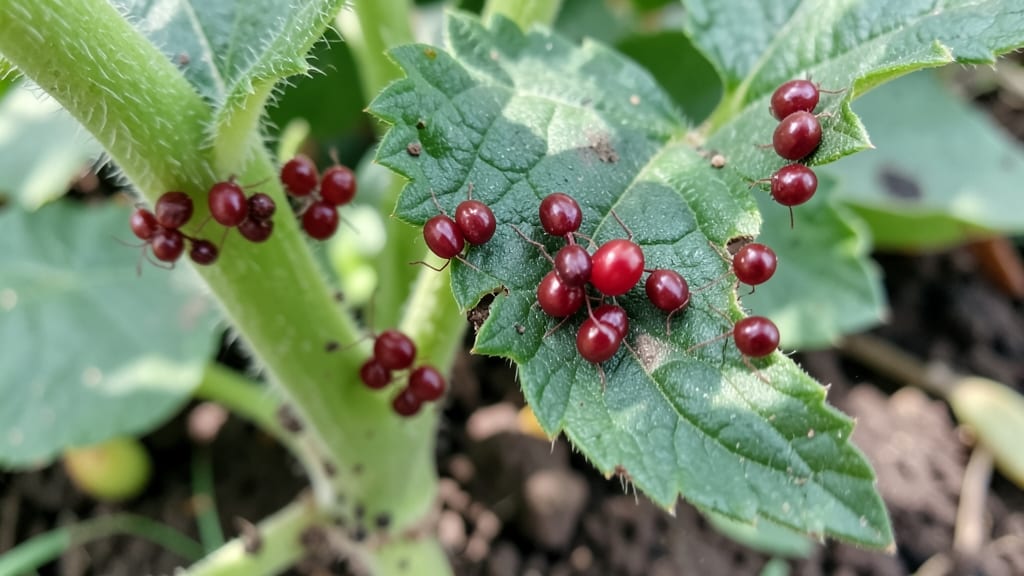
Red aphids on tomato plants are the tiny, bloodsucking pests that turn your lush vines into sticky, curled messes in days. ✨ I’ve battled these guys for years—until I discovered a 10-minute natural spray that clears them without harming your plants or the bees buzzing by.
The key isn’t brute force; it’s understanding their weakness and hitting them where it counts.
Most gardeners grab harsh chemicals first, but that’s like using a sledgehammer on a gnat. My go-to spray uses ingredients you likely already have: water, dish soap (a tiny drop!), and a secret weapon that aphids hate—one that works fast without killing your tomatoes’ flavor or your garden’s balance.
You’ll see them drop within minutes, and the plants bounce back like nothing happened.
What’s even better? This method prevents future invasions by making your plants less appealing to aphids. No more sticky leaves, no more wilted growth—just healthy, thriving tomatoes that keep producing until frost.
The best part? You can spray in the morning, water your garden in the afternoon, and still enjoy dinner from your own harvest that night.
Whether you’re dealing with a sudden outbreak or just want to stay ahead, this approach works for greenhouse tomatoes, container plants, and full-size gardens alike. No fancy equipment, no waiting weeks for results—just a quick spray and peace of mind. Let’s get those aphids off your plants for good.
The Hidden Triggers Behind Tomato Aphids
Red aphids—those tiny, sap-sucking pests—don’t just appear on your tomato plants by chance. Their invasion is often a response to specific conditions in your garden or greenhouse. Understanding these triggers is the first step to preventing an infestation before it starts.
Below, we break down the key reasons why these pests target your tomatoes, backed by science and actionable insights.
Tomato plants under stress send out chemical signals that aphids love. When plants are struggling—whether from drought, nutrient deficiencies, or disease—they produce higher levels of sugars and amino acids in their sap.
Red aphids, particularly species like Macrosiphum euphorbiae (the potato aphid), are drawn to these sweet, nutrient-rich fluids as a food source.
Why it happens:
- Water stress: Drought conditions cause plants to produce more sugars to protect their cells, making them more attractive to aphids.
- Nutrient imbalances: Too much nitrogen (common in over-fertilized soil) leads to soft, fast-growing foliage that aphids adore. Meanwhile, deficiencies in phosphorus or potassium weaken the plant’s defenses.
- Disease or damage: Viruses (like the Tomato Yellow Leaf Curl Virus) or physical damage (e.g., from hail or pests) can alter a plant’s chemistry, signaling aphids to move in.
Actionable fix: Keep your tomatoes consistently watered (1–1.5 inches per week) and use a balanced fertilizer (e.g., 10-10-10) to avoid nutrient spikes. Prune damaged leaves promptly to remove stress signals.
While ladybugs and lacewings are natural aphid predators, their presence in large numbers can sometimes indirectly worsen infestations. Here’s how:
Why it happens:
- Honeydew overload: Aphids excrete sticky honeydew, which attracts ants. If ants are also in your garden, they’ll protect aphids in exchange for honeydew, creating a mutualistic relationship that shields the pests from predators.
- Disrupted ecosystems: Overcrowded gardens with too many aphids can overwhelm natural predators. If your garden lacks diversity (e.g., no dill, fennel, or yarrow to attract beneficial insects), aphids multiply unchecked.
- Seasonal blooms: Early spring or late summer can trigger aphid outbreaks when beneficial insects are still dormant or less active.
Actionable fix:
- Plant trap crops like nasturtiums or marigolds to lure aphids away from tomatoes.
- Encourage predators by adding nepetta (catmint) or achillea (yarrow) to your garden.
- Use ant barriers (e.g., sticky traps or diatomaceous earth) to break the aphid-ant alliance.
Red aphids thrive in warm, stable conditions. Unlike some pests that slow down in heat, aphids reproduce exponentially when temperatures hover between 60–80°F (15–27°C). A single female can give birth to 50–80 live nymphs in just a few weeks—no mating required!
Why it happens:
- Short life cycles: Aphids mature in 7–10 days under ideal conditions, leading to explosive population growth.
- Greenhouse effect: Plastic tunnels or dense foliage trap heat and humidity, creating a perfect aphid breeding ground.
- Wind and hitchhiking: Aphids don’t fly far, but they hitch rides on wind, tools, or even your clothes from nearby infested plants.
Actionable fix:
- Monitor temperatures and provide shade cloth if your region hits prolonged heatwaves.
- Inspect new plants for aphids before bringing them home—quarantine for 48 hours if possible.
- Use reflective mulch (like aluminum foil) to deter aphids, as they dislike bright surfaces.
Aphids are opportunistic. If your garden is a buffet of leftover plant debris, weeds, or volunteer tomatoes from last season, they’ll move in without invitation.
Why it happens:
- Overwintering eggs: Many aphid species lay eggs on weeds (e.g., chickweed, plantain) or garden structures. When these hatch in spring, they seek out young, tender tomato shoots.
- Weed hosts: Plants like stinging nettle or dandelions can harbor aphids year-round, serving as a reservoir for your tomatoes.
- Compost piles: If your compost is too hot or wet, it can accelerate aphid reproduction instead of killing them.
Actionable fix:
- Clear garden beds of all plant debris in fall and spring.
- Mulch with straw or wood chips (not fresh grass clippings) to suppress weeds.
- Avoid composting aphid-infested plants—burn or bag them instead.
Pro Tip: 💡 Rotate crops annually to disrupt aphid life cycles. If you grew tomatoes in the same spot last year, move them this year—aphids rely on familiarity!
Natural Fixes for Tiny Plant Invaders
Red aphids may seem like a small problem, but if left unchecked, they can weaken your tomato plants, stunt growth, and even attract pests like ants. The good news? You don’t need harsh chemicals to tackle them.
With the right approach, you can restore your plants to health quickly—often in 10 minutes or less—using simple, natural methods. Below, we’ll break down solutions based on the root cause of your infestation, from overcrowded plants to poor garden hygiene, so you can take action fast.
If your tomato plants are packed too closely or struggling from poor soil, they become aphid magnets. Red aphids thrive on weak, stressed plants because they lack the energy to fight back.
🔪 Quick Fix: Prune & Thin Out
- Step 1: Use clean, sharp pruning shears to trim away heavily infested leaves or suckers (the small shoots between the stem and branches).
- Step 2: Remove yellowed or wilted leaves—these are aphid hotspots.
- Step 3: Space plants 18–24 inches apart to improve airflow and reduce humidity (aphids love damp, crowded conditions).
🌱 Long-Term Prevention
- 💡 Plant companion crops like basil, marigolds, or nasturtiums—their strong scents repel aphids.
- 🌡️ Water at the base (not overhead) to keep foliage dry and discourage aphid clusters.
- ✨ Use mulch (straw or grass clippings) to retain moisture in the soil, reducing plant stress.
Ants farm aphids for their honeydew (the sticky sweet secretion aphids produce). If you see ants marching up your tomato plants, they’re likely shielding aphids from predators.
🍳 Homemade Ant Barrier (No Chemicals!)
- Step 1: Mix equal parts water and vinegar in a spray bottle.
- Step 2: Spray directly on ant trails—the strong smell disrupts their scent trails.
- Step 3: For stubborn colonies, use diatomaceous earth (food-grade) around the base of the plant.
It’s harmless to plants but deadly to ants.
🎯 Long-Term Prevention
- 💡 Set up ant bait stations (like borax or citrus peel traps) far from your garden to lure them away.
- 🌿 Avoid planting near ant nests—relocate them to a less convenient spot (like a pile of rocks).
- 🔥 Keep your garden clean—aphids and ants love debris, so remove fallen leaves and weeds regularly.
If aphids have taken over, you’ll need a rapid-response spray that works in minutes. The key is to disrupt their life cycle while keeping your plants safe.
👨🍳 10-Minute Natural Spray Recipe
(Works in under 10 minutes—test on a small leaf first!)
| Ingredient | Amount | Why It Works |
|---|---|---|
| Water | 1 quart | Base for dilution |
| Castile soap | 1 tsp (liquid) | Smothers aphids |
| Neem oil | 1 tsp | Disrupts feeding & reproduction |
| Garlic or chili pepper | 1 clove or ½ tsp | Repels aphids with natural spiciness |
🔥 How to Use:
- Blend 1 clove of garlic + 1 cup water (or add ½ tsp cayenne pepper).
- Strain, then mix with soap, neem oil, and remaining water.
- Spray directly on aphids (both tops and undersides of leaves).
- Reapply every 3–4 days until aphids disappear.
⏰ Alternative Fast Fixes
- 🌿 Blasts of water: Use a hose with a strong stream to knock aphids off (do this in the morning so leaves dry quickly).
- 🐞 Introduce ladybugs: These natural predators eat aphids voraciously.
Buy them online or attract them with dill or fennel plants.
The best way to handle red aphids? Stop them before they start. Here’s how to create an aphid-proof tomato garden:
💡 Pro Tips for Long-Term Defense
- 🌡️ Monitor young plants—aphids love tender new growth.
Check undersides of leaves weekly. - 🎯 Rotate crops—don’t plant tomatoes in the same spot yearly (aphids overwinter in soil). - 🌿 Encourage beneficial insects—ladybugs, lacewings, and parasitic wasps are aphid hunters.
Plant alyssum or cosmos to attract them. - 🔥 Use reflective mulch—lay aluminum foil or silver plastic around plants to confuse aphids (they dislike shiny surfaces).
By addressing the root cause—whether it’s stressed plants, ant protection, or sheer numbers—you can eliminate red aphids fast and keep your tomato plants thriving. Try one of these methods today, and your garden will be back to healthy in no time! 🍅✨
Frequently asked questions about red aphids on tomato plants
Why do red aphids prefer tomato plants over other garden vegetables?
Tomato plants produce sweet, nutrient-rich sap that red aphids love—especially when stressed from drought or over-fertilization. Their tender new growth is like an all-you-can-eat buffet for these pests. Unlike hardy veggies like peppers or eggplants, tomatoes lack natural defenses that repel aphids.
How do I tell if my tomato plants have red aphids vs. other pests?
Red aphids cluster on the undersides of leaves, leaving behind sticky honeydew and curled, yellowing foliage. Unlike spider mites (which cause webbing) or whiteflies (which fly when disturbed), aphids are soft-bodied and move slowly. Check for tiny red or pink insects along stems and leaf veins.
Will neem oil harm my tomato plants if I use it too often?
Neem oil is safe when used correctly—stick to every 3–4 days during outbreaks. Overuse can stress plants, but it won’t cause direct harm. Always dilute it (1 tsp per quart of water) and apply in the early morning to avoid leaf burn from sunlight.
Can I still harvest tomatoes after treating red aphids?
Yes! Once you’ve treated the infestation, wait 24 hours before harvesting. Natural sprays like soap-neem mixtures break down quickly and are safe for edible plants. Just rinse fruits thoroughly if you’re concerned about residue.
Why do my tomato plants keep getting aphids even after I treat them?
Persistent aphids often mean hidden triggers: ants protecting them, nearby weeds harboring eggs, or stressed plants signaling "easy prey." Check for ant trails, remove garden debris, and ensure proper spacing (18–24 inches between plants) to break their cycle.