
Companion Plants
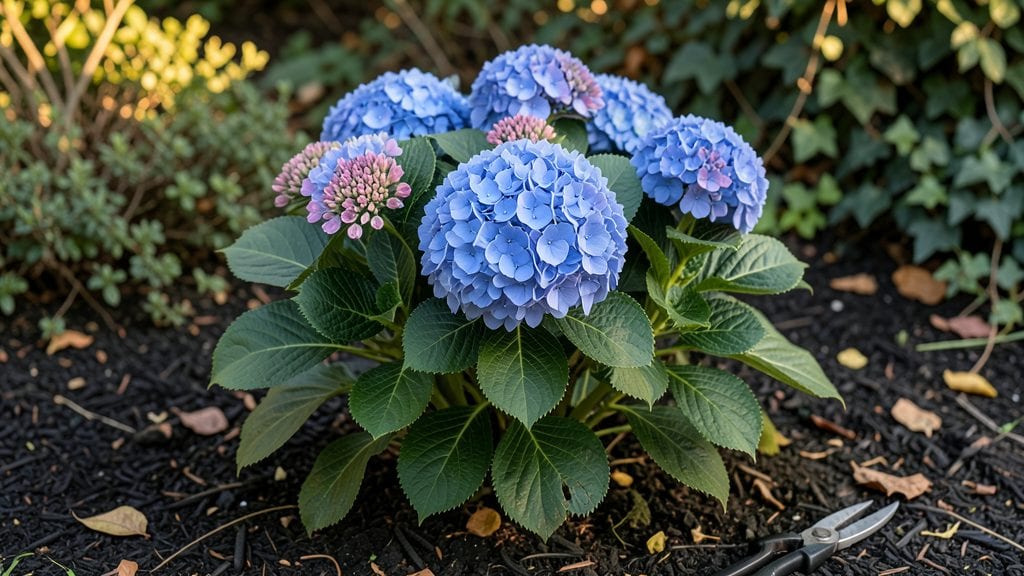
Rare hydrangea plants thrive in partial shade with moist, well-draining soil and require consistent watering to prevent stress. Prune selectively in late winter or early spring, and fertilize lightly with acidic compost to maintain vibrant blooms and unique foliage patterns. Patience is key, as many rare varieties take 2-3 years to mature fully.
Cultivating rare hydrangea varieties rewards you with stunning, one-of-a-kind foliage and blooms—but their care demands precision. 🌿 These plants often have specific soil requirements (like acidic conditions for blue flowers) and delicate root systems that need protection from extreme temperatures.
Unlike common hydrangeas, rare types may also require hand-pollination for optimal blooming, especially if grown from cuttings. I’ve found that tracking soil pH and adjusting it seasonally makes all the difference in preserving those signature colors and leaf patterns.
Another critical factor is propagation patience. Many rare hydrangeas don’t produce seeds easily, so collecting cuttings from trusted growers or participating in plant swaps with experienced collectors is often the best route.
Once established, these plants can outlive gardeners—but only if you mimic their native woodland environments. Think of them as living art pieces that repay careful attention with breathtaking displays year after year.
💡 In This Article
- Identifying and Selecting Rare Hydrangea Varieties
- Advanced Care Tips for Preserving Rare Hydrangeas
Identifying and selecting rare Hydrangea varieties
The world of rare hydrangeas begins with understanding their botanical families. Hydrangea macrophylla varieties like 'Nikko Blue' feature large, papery blooms that shift color based on soil pH—blue in acidic soil (pH 5.5 or lower) and pink in alkaline conditions (pH 6.5+).
Their leaves are oval with serrated edges, often developing striking fall colors from deep purple to fiery red. Meanwhile, Hydrangea quercifolia types like 'Snow Queen' boast oak-leaf-shaped foliage with velvety textures and cone-shaped blooms that emerge white before turning pinkish-brown.
Growth habits vary dramatically: 'Nikko Blue' stays compact (3-4 feet tall) while 'Limelight' from the Hydrangea paniculata family can reach 8-10 feet with arching panicles that glow lime-green before maturing to soft pink.
The key to identification lies in these three botanical markers: leaf shape (lobed vs. smooth), bloom structure (mophead vs. lacecap), and color-changing mechanisms tied to soil chemistry. 🌸 For example, 'Endless Summer' hybrids produce blooms on old and new wood, unlike traditional varieties that bloom only on previous year's growth.
Sourcing rare varieties requires strategic shopping. Specialty nurseries like Wayne's World of Rare Plants or Plant Delights Nursery offer authenticated cuttings with certificates of authenticity, while plant collectors often trade through forums like GardenWeb.
Always verify through botanical databases or by examining leaf vein patterns—genuine 'Snow Queen' hydrangeas have prominent white midribs that contrast sharply with dark green foliage. Red flags include unusually large blooms (often grafted hybrids) or irregular leaf spacing (signs of mislabeling).
The science behind color shifts involves anthocyanin pigments that react to aluminum availability in soil. Blue flowers accumulate more aluminum, while pink varieties produce delphinidin pigments instead.
This chemical process explains why soil pH testing (using digital meters or litmus paper) becomes your most powerful tool for predicting bloom colors. 🔬 For instance, adding aluminum sulfate to soil can intensify blue hues in 'Nikko Blue' within 4-6 weeks of application.
Consider these three key traits when selecting:
- Leaf texture: 'Quercifolia' types have sandpaper-like surfaces while 'Macrophylla' leaves are smoother
- Bloom longevity: 'Limelight' panicles last 8-10 weeks vs. 'Nikko Blue' mopheads that fade in 3-4 weeks
- Winter hardiness: 'Snow Queen' tolerates Zone 5 (-20°F) while 'Nikko Blue' needs Zone 6+ (-10°F)
What most collectors overlook is the root system's role in rarity. Many heirloom varieties develop fibrous, shallow roots that require mulching with pine needles to maintain acidity.
This delicate balance explains why container growing works best for Hydrangea serrata types—their mountainous native habitats mimic the well-draining, acidic conditions of peat moss mixes. 🌱
For the ultimate test of authenticity, examine the bloom stem structure. True 'Limelight' panicles have flat, sterile flowers at the tips with fertile flowers at the base, while grafted hybrids often show abnormal branching patterns.
When in doubt, consult botanical keys from USDA Plant Database or photograph key features against known specimens. Patience here pays off—genuine rare hydrangeas develop distinctive bark patterns and scented foliage over time that mass-produced varieties simply can't replicate.