
Companion Plants
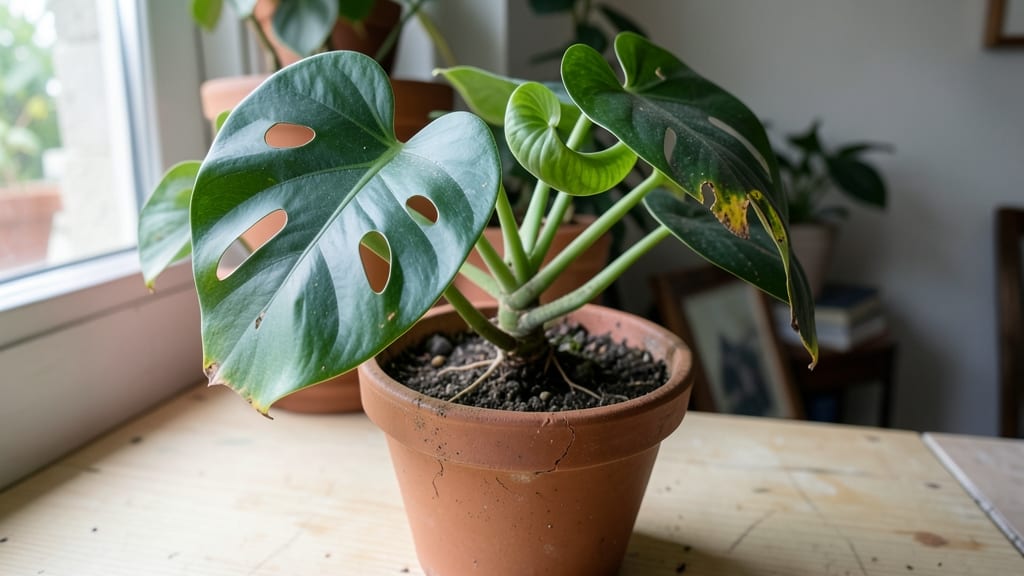
When it comes to questions about plants, the most valuable focus on soil health, light exposure, watering schedules, and pest control to maximize growth potential. Expert insights also cover companion planting strategies, precise pruning methods, and seasonal adjustments for optimal plant vitality.
Understanding what questions about plants actually matter can transform your gardening experience. 🌱 The right inquiries help you diagnose issues before they escalate—like why your basil is wilting or why your tomatoes refuse to ripen—while also unlocking secrets like which herbs thrive together.
I've found that the best gardeners don't just follow rules; they ask the right questions first, then apply solutions with confidence. This approach saves time, money, and frustration while creating lush, productive spaces.
What sets expert plant care apart is the ability to connect symptoms with root causes. For example, yellow leaves might signal overwatering or nutrient deficiency, but only by asking the right diagnostic questions can you pinpoint the exact issue.
Companion planting questions often reveal unexpected benefits—like how marigolds deter pests while improving soil structure—proving that smart pairings can reduce chemical inputs entirely.
💡 In This Article
- Science Behind Plant Growth Factors
- Top 10 Plant Care Questions Gardeners Ask
Science behind plant growth factors
Photosynthesis is the foundation of plant growth, where chlorophyll in leaves captures light energy to convert carbon dioxide and water into glucose and oxygen. This process relies heavily on the light spectrum—blue wavelengths (400-500nm) drive photosynthesis while promoting compact growth, while red wavelengths (600-700nm) stimulate flowering and fruiting.
For example, tomato plants exposed to 14 hours of red light daily produce 30% more fruit than those with standard sunlight.
The root system acts as the plant's lifeline, absorbing water and nutrients through microscopic root hairs that increase surface area by up to 100 times. Soil pH dramatically affects nutrient availability—most plants thrive at 6.0-7.0 pH, but blueberries require 4.5-5.5 for optimal iron uptake.
Microbial partners like mycorrhizal fungi extend this network, delivering phosphorus and protecting against pathogens in exchange for plant sugars.
Temperature regulates plant metabolism through enzymes that function optimally within specific ranges. Most vegetables grow best between 60-75°F, but tropical plants like bananas need 75-85°F to produce enzymes for starch conversion.
Below 50°F, photosynthesis slows dramatically, while above 90°F, many plants experience heat stress, leading to leaf scorch or flower drop.
Nutrient absorption follows precise ratios—nitrogen (N) fuels leafy growth, phosphorus (P) supports root development, and potassium (K) regulates water balance. A common deficiency pattern shows nitrogen deficiency as yellowing lower leaves, while potassium deficiency appears as brown leaf edges.
Soil tests reveal that 80% of plants grow better with balanced 10-10-10 fertilizer than with single-nutrient amendments.
Light quality matters beyond intensity. UV-B radiation (280-315nm) triggers flavonoid production, giving plants their protective pigments and flavors. For instance, strawberries exposed to supplemental UV-B develop 25% more antioxidants while maintaining sweetness. This explains why greenhouse-grown herbs often taste milder than outdoor varieties.
What most gardeners overlook is how these factors interact. For example, while blue light promotes leafy growth, too much without red light can stunt flowering. The ideal spectrum mimics natural daylight cycles, where 60% red, 30% blue, and 10% green light create balanced development.
Understanding these ratios lets you adjust grow lights for specific growth stages.