
Planting
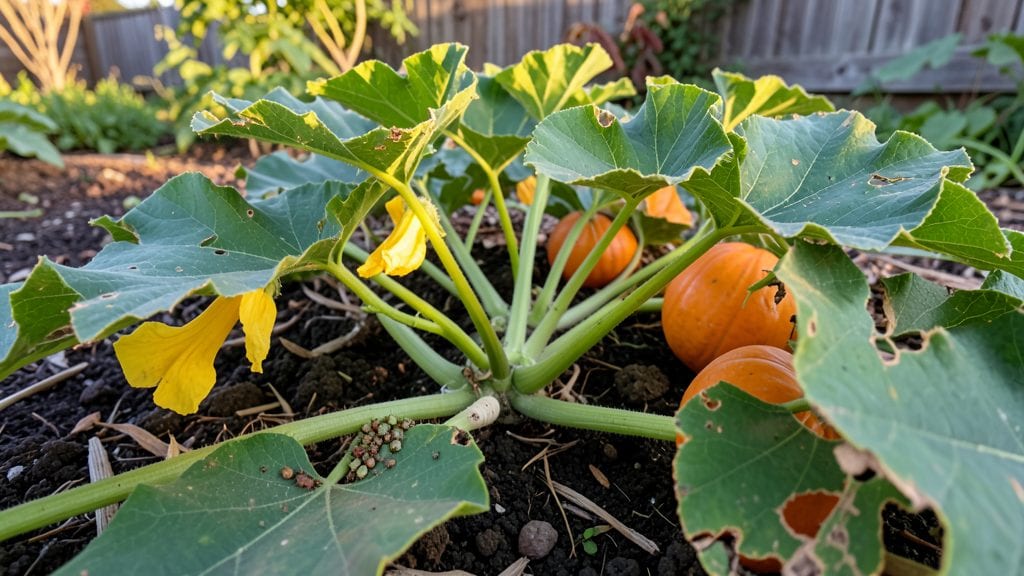
Pumpkin plants get hit harder by pests than you'd expect—squash vine borers alone can wipe out a vine in days if you don't act fast. I learned that the hard way when my 20-foot-long pumpkin patch turned into a skeleton of wilting vines overnight.
The good news? Most of these pests follow predictable patterns, so knowing what to watch for gives you a real advantage.
Cucumber beetles, aphids, and powdery mildew are the usual suspects, but the real showstoppers are squash vine borers and spider mites. These guys don't just nibble—they chew through stems and suck out sap, leaving plants looking like they've been drained.
The key to stopping them is catching them early, before they turn your hard work into a sad, yellowing mess.
You'll learn to spot the first signs—wilting vines, tiny holes in leaves, or that telltale sawdust-like frass from borers—and how to hit them with organic sprays, row covers, or even a few strategic traps.
Once you've got these pests under control, your pumpkins will grow stronger and faster than ever before.
This works for both backyard patches and commercial plots, and the methods scale from small gardens to large-scale growing. Let's get those vines protected before the pests even show up.
Root Causes Of Pumpkin Threats
Pumpkin plants attract a variety of pests, but their arrival isn’t random—it’s often tied to specific environmental, biological, or agricultural factors. Understanding these triggers helps you take preemptive action and protect your harvest before problems escalate.
Below, we break down the why behind the most common pumpkin plant pest invasions, so you can address the root of the issue.
🌡️ Heat, Humidity, and Poor Drainage Create Pest Buffets Pumpkins thrive in warm, moist conditions—but so do many of their pests.
When plants struggle due to: - Excessive heat (above 90°F/32°C), which weakens vines and makes them more susceptible to squash vine borers and aphids. - Poor drainage, leading to root rot (a magnet for cucumber beetles and fungal gnats). - High humidity, which encourages powdery mildew—a stress signal that attracts spider mites and whiteflies.
Why it matters: Stressed plants produce less volatile organic compounds (VOCs), the natural chemicals that repel pests. Without these defenses, pests move in like uninvited guests at a buffet.
🌱 Planting the Same Crops Year After Year If you’ve grown pumpkins (or other cucurbits like zucchini or melons) in the same spot for 3+ years, pests have a home field advantage.
Key issues include: - Soil-borne pathogens (like Phytophthora root rot) persist, attracting cutworms and slugs that feed on weakened roots. - Overwintering pests (e.g., squash bug eggs) hatch in familiar terrain, giving them a head start. - Reduced biodiversity in the soil means fewer beneficial predators (like ladybugs or nematodes) to keep pests in check.
Actionable fix: Rotate crops annually and interplant with marigolds or nasturtiums to disrupt pest life cycles.
🧹 Last Year’s Debris = Pest Hotel Pumpkin pests often overwinter in garden detritus.
Common culprits: - Squash vine borer moths lay eggs on dried vine remnants left in the soil. - Cucumber beetles hide under mulch or leaf litter, emerging when new plants sprout. - Fungal spores (from downy mildew) survive on infected plant matter, ready to reinfect next season.
Pro tip: 🔥 Clean up thoroughly—remove all plant debris, compost it away from the garden, or solarize the soil in late summer to kill overwintering pests.
💥 Too Much Nitrogen = Pest Party While nitrogen fuels growth, excessive use (especially synthetic fertilizers) does more harm than good:
- Soft, lush foliage becomes a feast for aphids, whiteflies, and spider mites, which thrive on tender new growth.
- High sugar content in leaves (from over-fertilization) attracts fruit flies and hornworms.
- Weakened plant resilience makes them easier targets for bacterial wilt, spread by striped cucumber beetles.
Balance is key: Use slow-release organic fertilizers (like compost or worm castings) and follow soil test recommendations.
🐞 Missing the Good Guys Pests don’t just appear—they outcompete or out-eat natural predators when:
- Pesticides (even organic ones) kill ladybugs, lacewings, and parasitic wasps that control aphids and caterpillars.
- Monoculture gardens lack diverse plantings that attract predator species.
- Water stress reduces plant vigor, making them less appealing to pollinators and pest-eating insects.
Solution: Plant companion crops like basil, dill, or alyssum to lure in beneficial insects. Avoid broad-spectrum sprays—opt for neem oil or insecticidal soap as last resorts.
🌍 Warmer Winters = More Survivors Climate change has expanded the range of aggressive pests like:
- Spotted lanternflies, which feed on sap and weaken vines.
- Asian longhorned beetles, which bore into stems and kill plants quickly.
- Southern green stink bugs, which pierce fruit and cause cosmetic (and economic) damage.
Why it’s worse now: Milder winters mean more pest generations per year, and migratory species (like colorado potato beetles) are finding new hosts in pumpkin patches.
🚜 Tools, Transplants, and Travel Pests hitchhike on:
- Contaminated soil from shared gardening tools or potting mixes.
- Infested transplants bought from nurseries (check for aphids or whitefly eggs on leaves).
- Wildlife activity—deer, rabbits, and birds can damage young plants and spread seeds of weeds that host pests.
Prevention tip: 🛡️ Quarantine new plants for 2 weeks, sterilize tools with rubbing alcohol, and inspect wild edges of your garden for pest hotspots.
Pumpkin pests don’t strike randomly—they’re drawn to weakness, opportunity, and poor garden hygiene. By addressing these root causes, you can reduce infestations before they start and keep your patch thriving. Next up: How to spot these pests early and eliminate them for good.
Quick Fixes for Pumpkin Plant Pests
When pests invade your pumpkin patch, acting fast is key to saving your harvest. Below are practical, step-by-step solutions tailored to the most common culprits—plus prevention tips to keep your plants thriving. No fancy tools or chemicals required (unless noted), just smart, garden-friendly fixes.
Signs: Wilting vines, sawdust-like frass, or holes in stems.
How to Fix It:
- 🔥 Handpick Larvae – Split open affected stems early in the morning (larvae are sluggish then) and drop them into soapy water.
- 🍳 Trap Cropping – Plant a sacrificial row of zucchini or cucumbers near your pumpkins to lure borers away.
- 👨🍳 Soil Treatment – Apply diatomaceous earth (food-grade) around the base of plants to deter egg-laying females.
- ⏰ Timing Matters – Wrap stems with cardboard collars (6 inches tall) in late spring to block egg-laying moths.
💡 Prevention Tip: Rotate crops yearly—borers target the same family (squash, pumpkins, melons).
Signs: Sticky residue (honeydew), curled leaves, or tiny flying insects.
How to Fix It:
- 🔥 Blast Them Off – Spray plants with a strong stream of water (early morning) to dislodge pests.
- 🍳 Soap Spray – Mix 1 tbsp mild liquid soap + 1 quart water, spray undersides of leaves (reapply every 3–4 days).
- 🌿 Natural Predators – Introduce ladybugs or lacewings (buy online or attract with dill or fennel).
- 🎯 Yellow Sticky Traps – Hang yellow cards coated with petroleum jelly to catch adults.
💡 Prevention Tip: Neem oil spray (weekly) deters aphids before they multiply.
Signs: Jagged leaf holes, wilting, or yellowing vines (they spread bacterial wilt).
How to Fix It:
- 🔪 Handpick Adults – Crush them in a jar of soapy water (they’re slow-moving in the morning).
- 🍳 Row Covers – Use floating row covers (lightweight fabric) until flowers appear (then remove to allow pollination).
- 🌡️ Trap Crops – Plant radishes or turnips nearby to divert beetles.
- 🎯 Kaolin Clay – Spray Surround WP (food-safe clay) to create a barrier they avoid.
💡 Prevention Tip: Interplant with basil or marigolds—their scent repels beetles.
Signs: Irregular holes, silvery slime trails, or missing seedlings.
How to Fix It:
- 🥘 Beer Traps – Bury a shallow dish filled with beer near plants (slugs drown in it overnight).
- 🔪 Copper Barriers – Bend copper tape around raised beds (creates a mild electric shock they hate).
- 🌿 Egg Carton Barriers – Place upside-down egg cartons around young plants (slugs can’t crawl over).
- 🌡️ Diatomaceous Earth – Sprinkle a thin layer around plants (reapply after rain).
💡 Prevention Tip: Water in the morning (slugs hide during the day) and remove hiding spots (boards, rocks).
Signs: Fine webbing, speckled leaves, or a "bronzed" appearance.
How to Fix It:
- 🔥 Strong Water Spray – Blast mites off with water pressure (they hate moisture).
- 🍳 Neem Oil Spray – Mix 1 tbsp neem oil + 1 tsp mild soap + 1 quart water, spray undersides.
- 🌿 Increase Humidity – Group plants together or use a mist system (mites thrive in dry heat).
- 🎯 Predatory Mites – Release phytoseiulus persimilis (sold at garden centers).
💡 Prevention Tip: Prune for airflow—mites love crowded, dry conditions.
🌟 General Pest-Proofing Tips for Pumpkins:
- 🌱 Healthy Soil = Strong Plants – Amend with compost and mycorrhizal fungi to boost immunity.
- 🕰️ Plant Timing – Start seeds 4–6 weeks before last frost to avoid early pest waves.
- 🔄 Crop Rotation – Avoid planting cucurbits (pumpkins, squash, melons) in the same spot yearly.
- 🌿 Companion Planting – Pair pumpkins with nasturtiums, marigolds, or borage to repel pests naturally.
⚠️ When to Call Reinforcements: If pests persist after 2–3 weeks of treatment, consider organic pesticides like:
- Bt (Bacillus thuringiensis) for borers/caterpillars.
- Pyrethrin spray (derived from chrysanthemums) for beetles/aphids.
- Always follow label instructions for safety and effectiveness.
Frequently asked questions about pumpkin plant pests
What are the first signs of squash vine borers in pumpkin plants?
Look for sudden wilting of vines, especially on one side, and small holes in the stem. If you split open the stem, you’ll often see a white larva inside or sawdust-like frass (borer droppings). These pests strike fast—act within 24 hours to save the plant.
How do I tell if my pumpkin leaves have aphids or spider mites?
Aphids leave sticky honeydew on leaves and cause them to curl, while spider mites create fine webbing and give leaves a speckled, bronze appearance. Check undersides of leaves—aphids cluster there, while mites thrive in dry, hot conditions.
Are cucumber beetles harmful to pumpkin plants?
Yes! These striped or spotted beetles chew leaves and spread bacterial wilt, which can kill plants in days. Look for jagged holes in leaves and yellowing vines. They’re most active in morning or evening, so handpick them then or use row covers early in the season.
Can I use neem oil on pumpkin plants without harming them?
Neem oil is safe for pumpkins when used correctly. Mix 1 tbsp neem oil + 1 tsp mild soap + 1 quart water, spray undersides of leaves in the early morning or evening, and avoid spraying during flowering to protect pollinators. Reapply every 7–10 days for best results.
What’s the best way to prevent slug damage in pumpkin seedlings?
Slugs love young, tender pumpkin leaves. Use copper tape barriers around raised beds, set up beer traps (bury a shallow dish of beer), or sprinkle diatomaceous earth around plants. Water in the morning so slugs hide during the day, and remove hiding spots like boards or rocks.