
Pruning
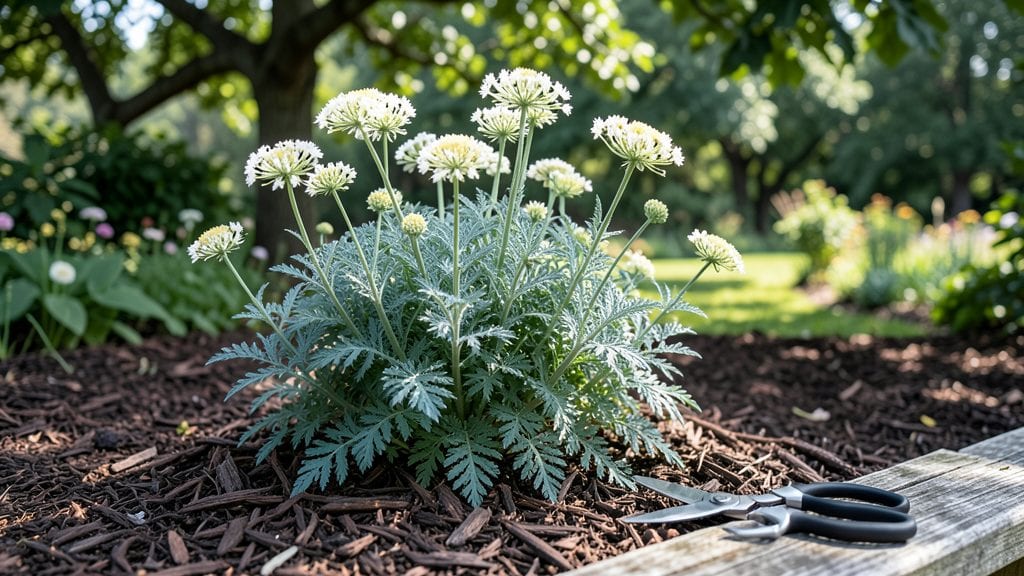
Pruning yarrow plants keeps them blooming like clockwork all summer long. 🌸 I learned the hard way that skipping this step means fewer flowers and leggy stems, but once I mastered the timing and technique, my yarrow transformed from ragged to showstopping.
The key is cutting back at the right moments—late winter for shape, and after each bloom cycle to encourage new growth.
You’ll need sharp pruners (dull blades crush stems) and a clear day to work. Cut back spent blooms to just above a set of healthy leaves, and trim back overgrown stems by about a third in early spring.
This isn’t just about looks—it also prevents yarrow from spreading too aggressively and keeps pests like aphids at bay.
What you’ll end up with is a bushy, vibrant plant that flowers from early summer until frost. The blooms stay fresh longer, and the foliage stays lush and green. Plus, yarrow’s natural drought tolerance means it thrives with less water once you’ve got the pruning routine down.
Works for both garden beds and containers, and adapts to full sun or partial shade. Once you see how much easier it is to maintain, you’ll wonder why you didn’t prune sooner.
📚 In This Guide
- What you need
- Instructions
- Tips and common mistakes
- Wrapping up and next steps
What you need
- ● Pruning shears or sharp bypass pruners – Choose clean, sterilized tools with sharp blades (4-6" length recommended) to avoid crushing stems.
- ○ Gloves (optional but handy) – Wear gardening gloves to protect your hands from thorns and sap.
- ● Disinfectant (rubbing alcohol or bleach solution) – Clean tools before and after pruning to prevent disease spread (1 part bleach to 9 parts water).
- ● Trash bag or compost bin – For removing spent blooms and debris.
- ● Watering can or hose – Keep plants hydrated before and after pruning.
- ● Hand pruners (for small stems) – Great for fine-tuning delicate cuts.
- ● Garden kneeler or stool – Makes pruning larger patches more comfortable.
- ● Mulch (straw or shredded leaves) – Helps retain moisture and protect roots post-pruning.
- ● Pruning saw (for thick stems) – Only needed if your yarrow has woody, overgrown bases.
Step-by-step instructions for pruning yarrow plants
Here's the straightforward method I use to keep my yarrow blooming all summer long.
✂️ Step 1: Identify and Remove Spent Blooms
Start by scanning your yarrow plants for faded or wilting flower heads—they'll look brownish and droopy instead of bright and perky. Grab your clean, sharp pruners and cut back each spent bloom cluster to just above a set of healthy leaves or a new side bud. This encourages the plant to redirect its energy into fresh growth rather than seed production.
I like to do this in the morning when the stems are still stiff with dew. The cooler temperatures mean less stress on the plant, and you'll avoid attracting pests that might be drawn to freshly cut stems. Work your way around the plant in a circular motion to keep everything neat.
✂️ Step 2: Lightly Trim Leggy Stems for Bushier Growth
After you've deadheaded all the spent blooms, look for stems that have grown too tall or leggy—these will be the ones stretching upward with fewer leaves. Using your pruners, trim these stems back by about one-third of their height. This might sound drastic, but yarrow is incredibly resilient and will bounce back with bushier, more compact growth.
Here's the thing—I always cut just above a leaf node or side bud. You'll see these as small bumps or clusters of leaves along the stem. This ensures the plant has a clear place to regrow from. Avoid cutting into bare, woody stems, as these won't produce new growth.
✂️ Step 3: Thin Overcrowded Centers for Better Airflow
Yarrow can get quite bushy, and sometimes the center of the plant becomes dense with too many stems growing close together. Use your pruners to thin out the oldest or most crowded stems, cutting them back to the base. This improves airflow and reduces the risk of fungal diseases like powdery mildew, which loves to take hold in tight, damp foliage.
I usually do this step after the initial deadheading and trimming. It’s easy to spot the stems that need removing—they’ll be the ones that look tired or have fewer leaves compared to the healthier stems around them. Aim to leave about 3-5 inches of space between the remaining stems for optimal airflow.
✂️ Step 4: Shape the Plant for a Neat Appearance
Once you've finished deadheading, trimming, and thinning, take a step back and assess the overall shape of your yarrow plant. Use your pruners to gently shape the plant by cutting back any stems that are growing in odd directions or spoiling the symmetry. You don’t need to be precise—just aim for a natural, balanced look that complements your garden design.
This is also a great time to remove any dead or diseased leaves or stems. Simply snip them off at the base. I always clean my pruners with rubbing alcohol between cuts to prevent spreading any potential infections. A little extra care here goes a long way in keeping your yarrow healthy and vibrant.
💧 Step 5: Water and Fertilize After Pruning
After you’ve finished pruning, give your yarrow a deep watering to help it recover. Water at the base of the plant rather than overhead to avoid wetting the foliage, which can encourage fungal issues. Yarrow is drought-tolerant, so you don’t need to overdo it—just enough to keep the soil lightly moist for a few days.
If your yarrow looks a bit tired after pruning, you can give it a light feeding with a balanced, water-soluble fertilizer diluted to half strength. This will help it bounce back quickly and produce even more blooms. I usually do this every 4-6 weeks during the growing season, but skip it if your soil is rich or you've recently added compost.
Tips & tricks for pruning yarrow plants
These little tricks will help you keep your yarrow looking fresh and blooming like crazy all season long.
Timing is Everything: I've found that pruning yarrow in the early morning is ideal—those cool temperatures and stiff stems make the job easier and less stressful for the plant. Plus, you'll avoid attracting pests that might be drawn to freshly cut stems. If you must prune later in the day, work in the shade to prevent wilting. The key is to always prune when the plants are cool and hydrated.
The One-Third Rule: When trimming leggy stems in Step 2, remember that "one-third" is your magic number. This might seem aggressive, but yarrow is tough and will bounce back beautifully. I like to visualize dividing the stem into three equal parts and cutting just above the middle section. This creates a fuller, bushier plant that produces more blooms. Don't be afraid to get your hands dirty—yarrow responds well to confident pruning!
Airflow Strategy: In Step 3, when thinning crowded centers, think of your yarrow like a well-ventilated room. You want that 3-5 inch spacing between stems to let air circulate freely. This isn't just about looks—proper airflow prevents fungal diseases like powdery mildew, which can turn your gorgeous blooms into a sad, dusty mess. Trust me on this: a little extra space now means fewer problems later.
Clean Tools Matter: Before you even start, make sure your pruners are clean and sharp. I always wipe mine down with rubbing alcohol between cuts, especially when removing diseased stems. Dull blades tear plant tissue, making it more vulnerable to infections. And here's a pro move: store your pruners in a dry place and occasionally sharpen them—it makes all the difference in how smoothly your pruning goes.
Pro Tips for Pruning Yarrow Plants
- These little tricks will help you keep your yarrow looking fresh and blooming like crazy all season long.
- Timing is Everything: I've found that pruning yarrow in the early morning is ideal—those cool temperatures and stiff stems make the job easier and less stressful for the plant.
- The One-Third Rule: When trimming leggy stems in Step 2, remember that "one-third" is your magic number.
Frequently asked questions
Got questions about pruning yarrow plants?
You’re not alone! Here are answers to the most common concerns—so you can keep your garden thriving with minimal fuss.
When is the best time to prune yarrow for continuous blooms?
Prune yarrow after the first flush of flowers fades (usually late spring or early summer). Cut back stems by ⅓ to ½ to encourage bushier growth and more blooms. For a second flush, repeat in late summer—just avoid pruning in fall or winter, as the plant needs energy to survive.
Should I cut yarrow all the way to the ground?
Nope! While yarrow is tough, cutting too aggressively can stress the plant. Leave 1–2 inches of stem above the base to protect the crown. Over-pruning risks exposing the roots to cold or pests. Think of it like a haircut—shape, don’t shave!
My yarrow looks leggy after pruning. What went wrong?
Leggy growth often means too much shade or over-pruning. Move your yarrow to full sun (6+ hours/day) and prune less aggressively next time. If the stems are woody, trim them back harder in early spring to encourage fresh growth. Patience pays off—yarrow bounces back!
Can I prune yarrow in the fall?
Fall pruning is a no-go for yarrow! The plant stores energy in its roots for winter, and cutting back now can weaken it. Instead, leave the stems (or lightly tidy up dead foliage in late winter). If you must clean up, wait until early spring before new growth starts.
Will pruning yarrow stop it from self-seeding everywhere?
Pruning helps reduce self-seeding, but yarrow is a prolific spreader. To curb it, deadhead spent blooms consistently and remove seed heads before they mature. For stubborn patches, dig up unwanted plants in early spring—gloves recommended!
Wrapping up and next steps
Pruning yarrow isn’t just about tidying up—it’s your secret weapon for bold, long-lasting blooms all season! 🌿 With the right tools, timing, and techniques, you’ll keep your plants thriving while attracting pollinators and warding off pests. Whether you’re a seasoned gardener or just starting out, these tricks make deadheading effortless.
Ready to transform your garden? Grab your shears and get pruning! Next, explore how to propagate yarrow cuttings to multiply your favorite varieties—because one happy plant deserves to become many! 🌸