
Pruning
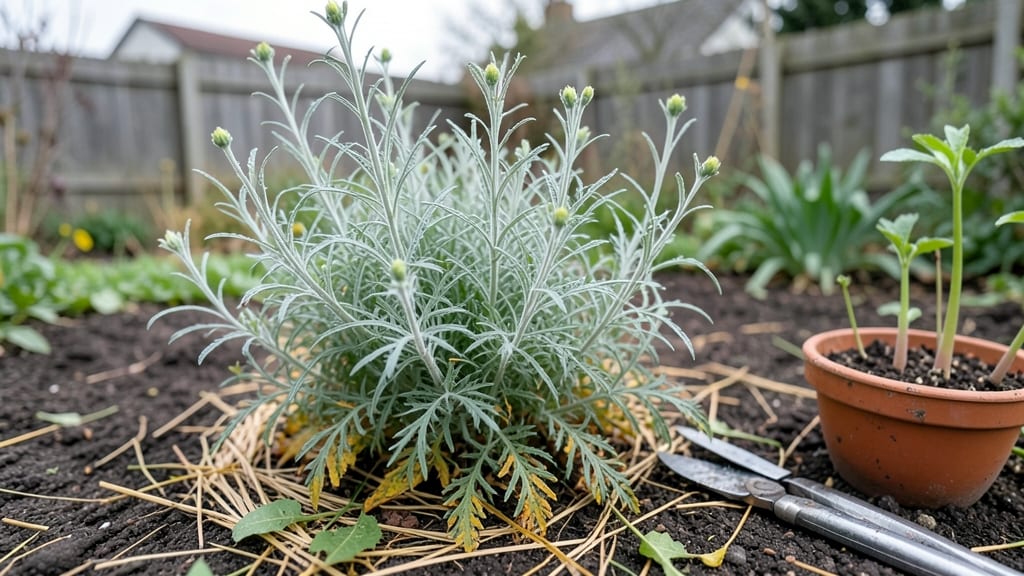
Pruning tarragon plants keeps them lush and productive for years—just three clean cuts a year make all the difference. 🌿 I learned this the hard way when my first plant turned woody and bitter after years of neglect, but now I prune like clockwork to keep the flavor sharp and the growth vigorous.
The secret is timing: prune right after harvest in early summer, again in late summer to shape the plant, and once more in early spring to remove dead growth. You’ll need sharp pruners and a steady hand—tarragon’s tender stems bruise easily, so clean cuts prevent disease.
Avoid cutting more than a third of the plant at once, or you’ll stress it into dormancy.
With proper pruning, your tarragon will stay compact, fragrant, and full of flavor for years. The stems stay tender, the leaves stay plentiful, and you’ll never have to deal with that bitter, woody taste that ruins dishes. Just remember: less is more—tarragon recovers quickly, but it hates harsh cuts.
Works for both potted plants and in-ground beds, and the same principles apply whether you’re growing French or Russian tarragon. Here’s how to do it right without killing your plant—even if you’re not the greenest thumb in the garden.
📚 In This Guide
- What you need
- Instructions
- Tips and common mistakes
- Wrapping up and next steps
What you need
- ● Sharp pruning shears – A bypass pruner (4-6 inch blades) for clean cuts; sterilize with rubbing alcohol before use.
- ● Clean, sharp scissors or garden knife – For trimming smaller stems or leaves (avoid dull tools to prevent damage).
- ○ Gloves (optional but recommended) – Lightweight gardening gloves to protect hands from thorns (some tarragon varieties have mild prickles).
- ● Disinfectant (rubbing alcohol or hydrogen peroxide) – 70% isopropyl alcohol or a 3% hydrogen peroxide solution to sterilize tools between cuts.
- ● Compost bin or bag – For disposing of pruned stems (tarragon regenerates easily, so avoid composting if pests are a concern).
- ● Watering can or hose with a gentle spray nozzle – To hydrate the plant post-pruning (tarragon prefers consistent moisture).
- ● Plant tie or soft twine – To secure tall stems if your tarragon is leggy or top-heavy.
- ● Pruning saw (for large, woody stems) – Only needed if your tarragon is over 3 years old and stems are thicker than a pencil.
- ● Labeling tags or marker – If you’re propagating cuttings, label them with the date and variety (e.g., "French Tarragon – May 2024").
- ● Drying rack or paper towels – To air-dry harvested sprigs for culinary use.
Step-by-step instructions for pruning tarragon plants
Tarragon thrives when pruned right—here’s how to keep it lush and productive all season.
✂️ Step 1: First Cut After Spring Growth Begins
Wait until tarragon has 4-6 inches of new growth in early spring—usually around late April to May in most climates. This first cut encourages bushier growth and prevents leggy stems. Use clean, sharp pruners to make your cut just above a leaf node (the point where leaves attach to the stem). This ensures new shoots will sprout from that spot.
Remove about one-third of the plant’s height at once. You’ll see dense clusters of leaves forming at the base, which signals the plant is responding well. Avoid cutting into old, woody stems—tarragon is a perennial and needs its established structure. If you accidentally cut too far, don’t worry; tarragon is forgiving and will recover.
🌿 Step 2: Mid-Season Trimming for Harvest and Shape
About 6-8 weeks after the first cut, tarragon will need another trim to maintain its shape and encourage more flavorful growth. This is also the perfect time to harvest sprigs for cooking. Look for stems that are 3-4 inches long—these are ideal for both pruning and culinary use. Cut just above a leaf node again, and you’ll see fresh new growth within 7-10 days.
Here’s the thing—tarragon grows best when it’s slightly crowded. If your plant looks too sparse, skip this trim and wait another 2-3 weeks. Over-pruning in summer can stress the plant, especially in hot, dry weather. Always prune on a cool morning to reduce stress on the plant and yourself.
✂️ Step 3: Late-Season Cleanup for Winter Prep
In late fall, after the first frost but before hard freezes, give tarragon a final trim. Cut back all stems to about 2-3 inches tall. This helps protect the plant’s crown from harsh winter winds and snow. Tarragon is hardy in USDA zones 4-8, but a little extra care in fall ensures it comes back stronger next spring.
Remove any dead, yellowed, or diseased leaves or stems—these can harbor pests or diseases that might overwinter. Don’t worry if the plant looks bare; tarragon stores energy in its roots over winter. Mulch around the base with 2-3 inches of organic mulch (like shredded leaves or straw) to insulate the roots. This step is critical for plants in colder zones.
🌱 Step 4: Optional Renewal Pruning for Older Plants
If your tarragon is 3+ years old, it may start looking woody and less productive. In early spring, give it a rejuvenation cut: trim back half the plant’s height, focusing on the oldest, most woody stems. This encourages new, softer growth from the base. You’ll likely see new shoots within 3-4 weeks. Older tarragon plants can become less flavorful, so this step helps revive them for another season or two.
Real talk: tarragon doesn’t live forever. After 5-6 years, it’s time to replace it with a new plant. But with these pruning steps, you’ll get years of robust, flavorful harvests from each plant. Keep an eye on the growth pattern—if you see more bare stems than leaves, it’s time to start planning a replacement.
Tips & tricks for pruning tarragon plants
A few simple tricks will help you keep your tarragon thriving and productive throughout the year—without the guesswork.
Timing is Everything: The 6-8 week window between your first and second cuts is crucial. If you wait too long, you risk over-stressing the plant during summer's heat. I mark my calendar after the first spring trim to ensure I don't miss this mid-season window. For those in warmer climates, you might need to trim slightly earlier—watch for stems reaching 3-4 inches rather than relying strictly on the calendar.
Leaf Node Location Matters: When making your cuts just above leaf nodes in Steps 1 and 2, you're essentially telling the plant where to grow next. I always count up from the base—there should be at least 2-3 healthy leaves remaining below your cut. This ensures new shoots emerge from a strong position rather than weak, lower stems. If you accidentally cut too close to the base, don't panic—tarragon's resilient nature means it'll still recover.
Seasonal Preparation: For the late fall cleanup in Step 3, timing is everything. Wait until after your first frost when temperatures drop below freezing at night but don't stay cold for extended periods. This gives the plant time to harden off naturally. In colder zones (4-5), I often add an extra 1-2 inches of mulch compared to the recommended 2-3 inches—this extra insulation makes all the difference for winter survival. The goal is to protect the crown while still allowing airflow to prevent rot.
Renewal Strategy: When performing the optional rejuvenation cut for older plants, focus on removing the oldest, most woody stems first. I like to work in sections—trim half the plant's height in one session, then wait 2-3 weeks before tackling the other side. This gradual approach reduces stress on the plant and gives you time to observe how it's responding. You'll know it's working when you see fresh, green growth emerging from the base within those 3-4 weeks.
Pro Tips for Pruning Tarragon Plant
- A few simple tricks will help you keep your tarragon thriving and productive throughout the year—without the guesswork.
- Timing is Everything: The 6-8 week window between your first and second cuts is crucial.
- Leaf Node Location Matters: When making your cuts just above leaf nodes in Steps 1 and 2, you're essentially telling the plant where to grow next.
Frequently asked questions
Got questions about keeping your tarragon thriving with the right cuts? Here are answers to the most common pruning dilemmas—so you can enjoy fresh, aromatic leaves all season long!
When is the best time to prune tarragon?
Prune tarragon in early spring (just as new growth starts) and after harvests (late summer/fall). Avoid heavy pruning in winter—tarragon is semi-hardy but can struggle with cold stress. Light trims to shape or remove dead growth are fine year-round, though!
How much can I cut back without harming the plant?
Never remove more than ⅓ of the plant’s foliage at once. For established tarragon, aim for 6–12 inches of new growth left after pruning. Over-cutting stresses the plant and may reduce flavor. If your tarragon is young (<1 year old), limit cuts to 20% of growth per session.
What if my tarragon looks leggy or sparse after pruning?
Leggy growth usually means it needs more light or a harder prune. Trim back ⅓ of the longest stems to encourage bushier regrowth. If the center is bare, prune just above a leaf node to stimulate new shoots. Pro tip: Pinch off flower buds early—they drain energy from foliage!
Can I propagate tarragon from cuttings?
Take 4–6 inch cuttings from healthy stems, remove lower leaves, and root them in water or moist soil. Keep them in bright, indirect light and maintain humidity. Roots form in 2–4 weeks. French tarragon (the best for cooking) is sterile, so cuttings are your only way to expand!
What should I do if my tarragon dies back in winter?
Tarragon is semi-hardy—it may look dead in winter but often regrows in spring. If the stems are black or mushy, it’s likely dead. In cold climates (<20°F), mulch heavily or grow tarragon in containers for winter protection. Russian tarragon (hardier) is a better choice for harsh winters.
Still stumped? Drop your tarragon troubles below—we’re happy to help!
Wrapping up and next steps
Pruning your tarragon plant is a simple yet rewarding task that keeps it thriving and packed with flavor! 🌿 With just three clean cuts—spring, summer, and fall—you’ll encourage lush growth, prevent woody stems, and enjoy a steady harvest of aromatic leaves.
Whether you’re a seasoned gardener or just starting out, these easy steps make maintaining tarragon effortless.
Ready to elevate your herb garden? Grab your pruners and give your tarragon the care it deserves—your taste buds (and future recipes!) will thank you. Happy pruning! 🌱