
Pruning
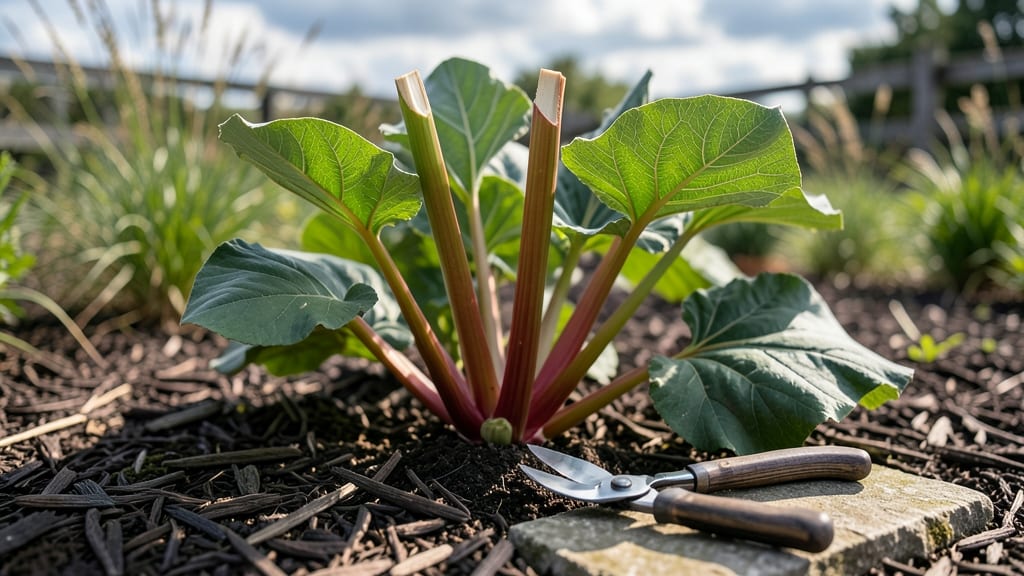
Pruning rhubarb plants isn't just about cutting back—it's the secret to year-long harvests that taste sweeter and grow bigger every season. I've been growing rhubarb for eight years, and the difference between a neglected clump and a thriving patch comes down to two simple cuts made at the right time.
The first happens after harvest, the second in early spring, and both take less than 10 minutes.
Here's the thing—most gardeners prune too late or too aggressively, which stresses the plant. Rhubarb stores energy in its thick roots, so you want to leave enough leaves to feed it while removing only what's necessary.
Grab a pair of clean pruners and focus on dead or yellowed stalks first, then cut healthy ones at the base when they reach 8-10 inches tall. Never remove more than a third of the stalks at once, or you'll stunt next year's growth.
What you'll end up with is a rhubarb patch that produces thick, vibrant stalks from early spring through summer, with some varieties even yielding into fall. The plants become more productive each year, and the stalks grow longer and sweeter.
The key is consistency—stick to this routine, and you'll never buy rhubarb again.
This method works for both new and established plants, whether you're growing in garden beds or containers. The only real mistake is cutting too early in spring before the soil warms, or waiting until the stalks get woody.
Let's get those pruners sharp and make this the year your rhubarb patch takes over the garden.
📚 In This Guide
- What you need
- Instructions
- Tips and common mistakes
- Wrapping up and next steps
What you need
- ● Pruning shears or secateurs: A sharp, bypass-style pair (avoid anvil types—they crush stems). Look for 4- to 6-inch blades for precision cutting.
- ● Gloves: Heavy-duty gardening gloves (preferably with cut-resistant palms) to protect against thorns and rough stems.
- ○ Disinfectant (optional but recommended): A 70% isopropyl alcohol or bleach solution (1 part bleach to 9 parts water) to sterilize tools between cuts and prevent disease spread.
- ● Compost bin or bag: For disposing of pruned stems (they’re edible for composting!).
- ● Watering can or hose: To rehydrate the plant post-pruning (especially after heavy cuts).
- ● Timing: Prune in early spring (March–April) before new growth starts or in late fall (October–November) after harvest. Avoid pruning during active frost or extreme heat.
- ● Plant age: Wait until rhubarb plants are 2–3 years old before pruning to ensure they’ve established strong roots.
- ● Weather: Choose a dry, overcast day to minimize stress on the plant and reduce the risk of fungal infections.
- ● Safety: Wear long sleeves and pants to avoid thorn pricks (rhubarb leaves are toxic if ingested—keep kids/pets away!).
Instructions for pruning rhubarb plants
Here's the straightforward approach I use to keep rhubarb productive and healthy all season.
Remove Old and Weak Stems in Early Spring
Start pruning in early spring, just as new shoots begin to emerge. Look for any stems that are brown, mushy, or hollow—these are last year's growth that won't produce well. Cut these at the base with clean, sharp pruners, leaving the crown intact. I usually remove about one-third of the oldest stems to encourage fresh growth.
This first cut is all about clearing out the dead wood so energy goes to healthy new stalks. Avoid cutting into the crown itself—rhubarb is sensitive to damage there. If you see any blackened or moldy stems, remove them immediately to prevent disease from spreading.
Harvest Mature Stalks Throughout the Season
Once new stalks reach about 12 inches tall and are at least ½ inch thick, they're ready for harvest. Cut them at the base with a sharp knife or pruners, leaving the leaf attached—those leaves protect the crown and help feed the plant. I harvest no more than one-third of the stalks at a time to avoid stressing the plant.
Harvesting in the morning gives you the freshest stalks, and always leave at least three stalks per plant to ensure the plant can continue growing. If you see any thin, weak, or pale stalks, leave them—they won’t be as productive. Overharvesting in the first year can weaken the plant, so be patient.
Clean Up in Late Fall or Early Winter
After the first frost, or in late fall, remove any remaining stalks and dead leaves. Cut them back to about 2 inches above the ground, leaving the crown and any new growth untouched. This cleanup helps prevent pests and diseases from overwintering in the debris.
I also rake away any fallen leaves or plant waste around the base—rhubarb crowns can rot if left in damp, decaying material. If your climate stays mild, you can wait until early winter to do this, but don’t leave old stalks standing through a harsh winter.
Protect the Crown Over Winter (If Needed)
In cold climates, add a 2-3 inch layer of mulch (like straw or shredded leaves) around the crown after the ground freezes. This insulates the plant and prevents heaving from freeze-thaw cycles. Remove the mulch in early spring once new growth appears.
If you live in a warmer zone, no extra protection is needed—rhubarb handles mild winters just fine. Just avoid disturbing the crown during dormancy, as new growth starts from the center and can be damaged by digging or heavy foot traffic.
Tips & tricks for pruning rhubarb plants
A few simple tricks will help you keep your rhubarb thriving and productive all season long.
Timing is Everything: In Step 1, when you're removing those old stems in early spring, don't rush the process. Wait until you see new shoots emerging—this usually happens when daytime temperatures consistently stay above 40°F for a few days. The new growth signals that the plant is ready to focus energy on fresh stems instead of maintaining last year's weak ones. I've found that pruning too early can actually stress the plant before it's ready to rebound.
Harvesting Strategy: When you reach Step 2 and begin harvesting mature stalks, remember that patience pays off. While it might be tempting to take every stalk you see, sticking to the one-third rule prevents overstressing the plant. I've learned this the hard way—after harvesting too aggressively my first year, my rhubarb produced only a handful of weak stalks the following season. Always leave those three stalks as a safety net, and you'll be rewarded with stronger growth next year.
Tool Preparation: Before you begin any pruning, take a moment to clean and sharpen your pruners. Dull blades can crush stems instead of making clean cuts, which invites disease. I like to wipe my pruners with rubbing alcohol between cuts when dealing with diseased stems. This simple step can make a huge difference in keeping your rhubarb healthy throughout the season.
Seasonal Adaptation: In Step 3, when cleaning up in late fall, pay attention to your local climate. In colder regions, that 2-inch height guideline for cutting back works perfectly. But in milder climates, you might find your rhubarb continues growing through winter. In that case, simply remove only the truly dead material and leave the rest until spring—rhubarb is surprisingly resilient when given proper care.
Pro Tips for Pruning Rhubarb Plants
- A few simple tricks will help you keep your rhubarb thriving and productive all season long.
- Timing is Everything: In Step 1, when you're removing those old stems in early spring, don't rush the process.
- Harvesting Strategy: When you reach Step 2 and begin harvesting mature stalks, remember that patience pays off.
Frequently asked questions
Got questions about pruning rhubarb? You’re not alone!
Here are answers to the most common concerns—from timing to troubleshooting—so you can keep your plants thriving and your harvests bountiful.
When is the best time to prune rhubarb?
Prune rhubarb after harvest in early spring (March–April) to remove old leaves and encourage new growth. For fall cleanup, prune after the first frost (October–November) to tidy up before winter. Avoid pruning in late summer—it can stress the plant before dormancy.
Do I need to cut the stalks all the way to the base?
No! Only trim the stalks just above the crown (the thick, fleshy base where leaves meet the stalk). Cutting too low can damage the plant’s energy reserves. For leaves, remove them entirely at the base to redirect nutrients to the stalks you’ll harvest next season.
What if my rhubarb leaves turn yellow or wilt after pruning?
Yellowing or wilting can signal stress, but it’s often temporary. Ensure the plant gets 1–2 inches of water weekly (especially in dry spells) and mulch around the base to retain moisture. If yellowing persists, check for pests (like crown rot) or nutrient deficiencies (add compost or balanced fertilizer).
Can I prune rhubarb in its first year?
No pruning is needed in a rhubarb plant’s first year—let it focus on root and crown growth. In year two, you can lightly trim dead or damaged leaves in early spring, but avoid harvesting stalks until the third year to ensure a strong plant.
What’s the difference between pruning and harvesting?
Harvesting removes only the stalks (never the leaves) during the growing season (spring–early summer). Pruning, however, involves cutting leaves and stalks at specific times (post-harvest or fall) to shape the plant, improve airflow, and prep for dormancy. Think of it as a spa day for your rhubarb!
Pro Tip:
Label your rhubarb crowns if you have multiple varieties—some (like Victoria) are more cold-hardy than others (Cherry). This helps you prune and harvest strategically based on their unique needs!
Wrapping up and next steps
Pruning rhubarb isn’t just about tidying up—it’s the secret to bigger, healthier harvests year after year! By mastering those two simple cuts (early spring and late summer), you’ll encourage stronger growth, prevent disease, and enjoy plump, vibrant stalks for seasons to come. 🌱✨
Ready to put your new skills to work? Grab your pruners, head to the garden, and give your rhubarb plants the care they deserve. Your future breakfasts are waiting!