
Tools
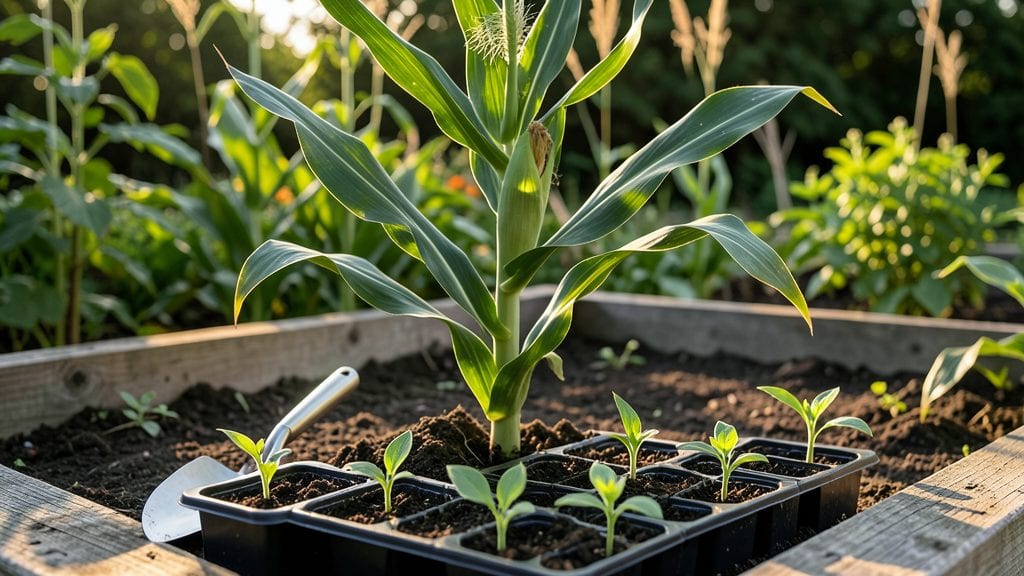
Planting sweet corn in your garden means golden ears waiting to be picked—if you nail the spacing. I’ve learned the hard way that too-crowded rows mean fewer ears and more disease, while perfect spacing turns a good harvest into a staggering one.
The secret isn’t just dropping seeds in the dirt; it’s giving each plant room to stretch its leaves and tassels without competing for sunlight or nutrients.
Start with loamy, well-draining soil mixed with compost—corn loves to sink its roots deep. Plant seeds 1 inch deep in rows spaced 24–36 inches apart, with individual plants 8–12 inches apart within the row.
If you’re short on space, try bush varieties or close-staggered rows (like a checkerboard) to maximize yield. And don’t forget: corn thrives in full sun (6+ hours daily) and needs consistent moisture, especially during pollination.
By mid-summer, you’ll see tassels forming and silks emerging—signs your plants are ready to produce. A steady watering schedule (1–2 inches per week) keeps ears plump and sweet, while a light mulch (straw or grass clippings) locks in moisture and keeps weeds at bay.
The payoff? Rows of juicy, buttery corn that outshine anything from the store.
Pro tip: Plant in blocks, not single rows, to ensure cross-pollination. And if squirrels or raccoons raid your patch, try chicken wire barriers or planting near onions or peppers—they’re natural corn deterrents.
With these spacing secrets, you’ll go from scraggly stalks to a harvest that feeds the neighborhood.
📚 In This Guide
- What you need
- Instructions
- Tips and common mistakes
- Wrapping up and next steps
What you need
- ● Sweet corn seeds: 1–2 lbs (depending on garden size; choose a variety like Bodacious or Silver Queen for reliability).
- ● Well-draining soil: Test for pH 6.0–6.8; amend with compost if needed (2–3 inches mixed into top 6 inches of soil).
- ● Fertilizer: Balanced 10-10-10 or organic options like bone meal (1–2 lbs per 100 sq ft) at planting + side-dress with nitrogen-rich fertilizer (e.g., blood meal) mid-season.
- ● Water: Consistent moisture (1–1.5 inches per week); drip irrigation or soaker hoses work best.
- ○ Stakes or trellis (optional but helpful): 4–6 ft tall for tall varieties (e.g., Peaches and Cream).
- ● Garden trowel or transplanting spade (for digging holes).
- ● Measuring tape or spacing marker (to maintain 12–18 inches between plants, 24–36 inches between rows).
- ● Gloves (to protect hands from soil and sharp corn stalks).
- ● Pruners or sharp knife (for removing tassels if pollination is an issue).
- ● Mulch (straw or grass clippings) (2–3 inches thick to retain moisture and suppress weeds).
- ● Corn planter or seedling tray (for precise spacing if direct sowing feels tricky).
- ● Row covers (to protect seedlings from pests or late frosts).
- ● Corn silage or hybrid seed varieties (for higher yields or disease resistance).
- ● Soil thermometer (to ensure seeds are planted when soil is at least 60°F).
Instructions for planting sweet corn with perfect spacing
Here's how to plant sweet corn so your stalks grow strong, pollinate properly, and produce ears packed with kernels.
Prepare the Soil for Maximum Germination
Sweet corn thrives in loose, fertile soil with a pH between 6.0 and 6.8. Work the 3-4 inches of topsoil in your planting area until it crumbles easily between your fingers. Remove any rocks or debris larger than ½ inch—corn roots need unobstructed access to nutrients.
Incorporate 2-3 inches of well-aged compost into the soil before planting. This improves drainage and provides the nitrogen corn craves. If your soil feels heavy or clay-like, mix in 1 part sand for every 3 parts soil to create a lighter texture. Test the soil moisture by squeezing a handful—it should hold together but not feel damp to the touch.
Plant Seeds in Blocks for Cross-Pollination
Corn is wind-pollinated, so planting in blocks (not single rows) ensures better pollination. For 4 plants, arrange seeds in a 2x2 grid with each seed 1 inch deep and 4-6 inches apart. This spacing gives roots room to spread without competing for nutrients.
Press the soil gently around each seed to eliminate air pockets. Avoid compacting the soil—corn roots need loose soil to penetrate easily. Water the area lightly after planting to settle the soil without disturbing the seeds. Place a small marker at each corner of the block to track growth and avoid accidentally disturbing the plants later.
Thin Seedlings for Stronger Stalks
Once seedlings reach 4-6 inches tall (about 2-3 weeks after planting), thin them so only the strongest plant remains in each 12-inch square. Use scissors to snip weak stalks at the base—this prevents disturbing the roots of the remaining plants.
Thinning ensures each plant has enough nutrients and space to develop 12-18-inch stalks with strong ear production. If you notice any seedlings with yellow or wilted leaves, remove them immediately—they may be diseased or struggling. Water the remaining plants at the base to encourage deep root growth.
Maintain Consistent Moisture and Fertility
Sweet corn needs 1-1.5 inches of water per week, delivered evenly at the soil level. Water deeply 2-3 times per week rather than lightly daily—this encourages roots to grow downward. Avoid wetting the leaves to prevent fungal diseases like rust or blight.
Apply a balanced fertilizer (10-10-10) when plants reach 12 inches tall, following package instructions for application rates. Corn is a heavy feeder, so side-dress with additional compost when tassels begin to form. Watch for silking (the appearance of white strands at the top of stalks)—this is when corn needs the most water and nutrients.
Monitor for Pests and Harvest at Peak Ripeness
Check plants weekly for corn earworms or aphids. Handpick larger pests or use neem oil spray for organic control. If you see silk clipping (where insects cut the silks), cover the ears with paper bags to protect developing kernels.
Harvest when the silks turn brown and kernels are plump and milky when pierced with a fingernail. Cut stalks with a sharp knife, leaving 2-3 inches of stem attached. Store ears in the refrigerator for 5-7 days or blanch and freeze for long-term storage. Overripe corn turns starchy and loses sweetness quickly—harvest promptly once silks dry.
Tips & tricks for perfect sweet corn planting
Sweet corn thrives when you pay attention to details that most gardeners overlook. These insights will help you avoid common pitfalls and maximize your harvest.
Soil Preparation: Don't just till the soil—focus on creating an ideal environment for those deep corn roots. The 3-4 inches of topsoil you work should feel like crumbly cake, not dense clay. I've found that mixing in 1 part sand to 3 parts soil transforms heavy garden beds into perfect corn-growing conditions. This prevents root binding and improves drainage, which is critical for preventing fungal diseases like root rot.
Block Planting Strategy: The 2x2 grid arrangement in Step 2 isn't just about spacing—it's about creating wind corridors for pollination. When planting your 4 seeds, imagine you're creating a mini ecosystem where pollen can flow freely between plants. I recommend using biodegradable markers at each corner of your block to track growth without disturbing the soil later. This simple step prevents accidental damage to emerging seedlings.
Thinning Technique: The 2-3 week window for thinning in Step 3 is your chance to set up each plant for success. When you're down to one strong seedling per 12-inch square, make sure to snip at the base with clean scissors—not pull. This prevents disturbing the root systems of your remaining plants. I've seen gardens where pull-thinning created gaps that weeds filled, competing with corn for nutrients.
Watering Wisdom: The 1-1.5 inches of water per week recommendation is non-negotiable for sweet corn, but timing matters just as much. Water deeply in the morning so foliage has time to dry before evening—this prevents fungal diseases like rust and blight. I use a rain gauge to track weekly totals and supplement with irrigation when needed. The key is consistent moisture at the soil level, not occasional heavy watering.
Pro Tips for Planting Sweet Corn In Garden
- Sweet corn thrives when you pay attention to details that most gardeners overlook.
- Soil Preparation: Don't just till the soil—focus on creating an ideal environment for those deep corn roots.
- Block Planting Strategy: The 2x2 grid arrangement in Step 2 isn't just about spacing—it's about creating wind corridors for pollination.
Frequently asked questions
Got questions about growing sweet corn? You’re not alone! Here are answers to the most common concerns—from timing to troubleshooting—to help you grow a golden harvest with confidence.
When is the best time to plant sweet corn?
Sweet corn thrives in warm soil, so wait until 2–3 weeks after your last frost date when soil temps hit 60°F (15°C) or warmer. For a longer harvest, plant in successive batches every 2 weeks (if your growing season is long). Early varieties can handle cooler temps, but avoid planting too soon—cold soil slows germination!
How far apart should I space sweet corn plants?
Spacing depends on your variety, but most sweet corn needs 12–18 inches apart in rows spaced 24–36 inches apart. Dwarf varieties can be closer (10–12 inches), while standard or supersweet types need more room to prevent overcrowding. Check your seed packet for specifics—proper spacing = fewer diseases and better ears!
What should I do if my sweet corn plants look wilted or chewed?
Wilting often means underwatering (corn needs 1–1.5 inches of water weekly) or root rot from soggy soil. Chewed leaves? Corn earworms or cutworms might be the culprits. Try row covers early on or handpick pests. For wilting, water deeply at the base (not overhead) and mulch to retain moisture.
Can I grow sweet corn in containers or small spaces?
Yes! Bush varieties (like ‘Silver Queen’ or ‘Ambrosia’) are perfect for containers—plant 1–2 plants per 5-gallon pot with well-draining soil. For small gardens, try interplanting with shallow-rooted veggies (like beans or lettuce) to maximize space. Just ensure pots get full sun (6+ hours daily) and fertilize regularly.
How long does it take for sweet corn to mature?
Most sweet corn matures in 60–100 days, depending on the variety. Early varieties (like ‘Peaches and Cream’) take 60–70 days, while late-season types can reach 90–100 days. Check the seed packet for “days to maturity” and plant accordingly—aim to harvest when silks turn brown and kernels are milky, not starchy!
Wrapping up and next steps
Planting sweet corn in your garden is a rewarding journey that combines patience, precision, and a little bit of magic! 🌱 With the right spacing, soil prep, and care, you’ll soon be harvesting ears so sweet and juicy they’ll taste like summer in every bite.
Don’t let a few challenges discourage you—every gardener starts somewhere, and your first batch will be just the beginning.
Now that you’re armed with spacing secrets and pro tips, it’s time to roll up your sleeves and get planting! Start small—whether it’s a single row or a full patch—and let your confidence (and corn!) grow.
Once those stalks are thriving, you’ll be eager to experiment with varieties, try new recipes, or even share your harvest with neighbors. Happy gardening! 🌽✨