
Flowers
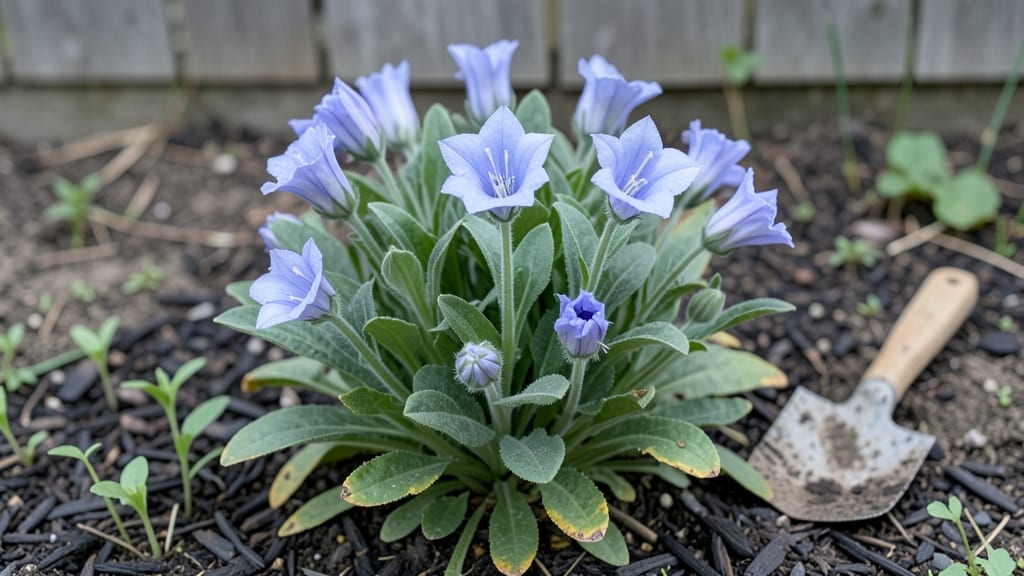
Planting balloon flowers (Platycodon grandiflorus) transforms your garden into a vibrant, pollinator-friendly showstopper with their striking striped blooms. 🌟 I've grown them for years, and they're shockingly resilient once you get the basics right—sunny spots, well-draining soil, and minimal fuss after planting.
The key is timing: seeds need a cold period to germinate, while transplants thrive when soil warms to 50°F in spring.
Start with 3-4 inch deep holes spaced 12-18 inches apart for transplants, or scatter seeds thinly in fall for spring blooms. Balloon flowers love full sun to partial shade and tolerate most soil types as long as it drains well—sandy loam is ideal.
Pair them with catmint, black-eyed Susans, or daylilies for a bold, textured garden combo that attracts bees and butterflies all summer.
After planting, water deeply once a week (more in extreme heat) and mulch with 2-3 inches of straw to retain moisture. Fertilize lightly in spring with 5-10-10 at half strength—these plants reward patience with 3-foot-tall spikes of lavender-blue blooms that open like little parachutes.
Deadhead spent flowers to encourage more blooms until frost.
They're drought-tolerant once established and return every year, making them a foolproof perennial for sunny borders or cottage gardens. The secret? Don't overwater—they hate soggy roots. With proper spacing and sunlight, you'll have neighbor-jealousy levels of blooms by midsummer.
📚 In This Guide
- What you need
- Instructions
- Tips and common mistakes
- Wrapping up and next steps
What you need
- ● Balloon flower seeds (Platycodon grandiflorus) – Choose heirloom or hybrid varieties (e.g., ‘Astra Double’ or ‘Miyako Blue’). Buy 1–2 seed packets (each contains ~50–100 seeds).
- ● Well-draining potting mix or garden soil – 5–10 gallons (for containers) or amend 1 cubic yard of garden soil with 2–3 inches of compost.
- ● Organic fertilizer (balanced, 10-10-10 or 5-5-5) – 1–2 cups per 10 sq ft of planting area.
- ● Mulch (straw, wood chips, or shredded leaves) – 2–3 inches to retain moisture and suppress weeds.
- ● Garden trowel or hand shovel – For digging holes 6–12 inches deep.
- ● Watering can or hose with a gentle spray nozzle – Keep soil consistently moist (not soggy!).
- ○ Gloves (optional but recommended) – Protects hands from soil and thorns (if pruning later).
- ● Measuring tape or ruler – Spacing seeds 12–18 inches apart for optimal airflow.
- ● Sunlight – Full sun (6+ hours/day) or partial shade (4–6 hours) in hot climates.
- ● pH-balanced soil – Aim for 6.0–7.0 pH (test with a soil kit if unsure).
- ● Patience! – Germination takes 2–4 weeks; full blooms appear in 90–120 days.
Step-by-step instructions for planting balloon flowers
Here's how to grow these striking striped beauties with minimal fuss—just follow these clear steps.
🌱 Step 1: Select the Perfect Planting Location
Balloon flowers thrive in full sun—at least 6-8 hours of direct sunlight daily. Choose a spot with well-draining soil, as they despise soggy roots. I always test drainage by digging a 6-inch deep hole and filling it with water; if it drains within 1 hour, the site is perfect.
These plants tolerate a range of soil types but perform best in slightly alkaline conditions (pH 6.0-7.5). If your soil is heavy clay, mix in 2-3 inches of compost to improve aeration. You'll see the most vibrant blooms when they receive consistent afternoon sun.
🪴 Step 2: Prepare the Soil and Planting Site
Loosen the soil to a depth of 12 inches using a garden fork or tiller. Remove any weeds or debris, as competition will stunt your balloon flowers' growth. If planting in fall for spring blooms, incorporate 2-3 inches of organic matter like composted leaves or aged manure.
For spring planting, work in a 1-2 inch layer of bone meal to provide phosphorus for strong root development. Space plants 12-18 inches apart in rows 18-24 inches apart—this gives them room to develop their signature striped blooms without overcrowding. You'll notice healthier stems and more abundant flowers when spacing is correct.
💧 Step 3: Plant with Proper Depth and Watering
Dig a hole twice as wide as the root ball but only as deep as the container's base. Gently remove the plant from its container and place it in the hole, ensuring the top of the root ball sits just below soil level. Balloon flowers hate being buried too deep, which can cause stem rot.
Backfill with native soil, pressing lightly to eliminate air pockets. Water immediately after planting to settle the soil and encourage root contact. Use 1-2 gallons of water per plant, applied slowly at the base to avoid runoff. You'll see the soil settle naturally within 10-15 minutes—this confirms proper watering.
☀️ Step 4: Establish a Watering Routine
Water newly planted balloon flowers deeply 2-3 times per week during their first growing season. Aim for 1-1.5 inches of water weekly, delivered at the soil level rather than overhead. These plants develop deep taproots, so consistent moisture at depth encourages stronger growth.
Once established, balloon flowers are remarkably drought-tolerant. You'll notice mature plants wilt slightly during dry spells but recover quickly after a deep watering. Mulch with 2-3 inches of organic mulch around the base to retain moisture and suppress weeds. Keep mulch 2 inches away from stems to prevent rot.
✂️ Step 5: Maintain for Continuous Blooms
Deadhead spent blooms by cutting stems back to the nearest set of leaves. This encourages more flowers and prevents the plant from putting energy into seed production. I always use clean, sharp pruners and make cuts at a 45-degree angle just above a leaf node.
Fertilize lightly in early spring with a 10-10-10 balanced fertilizer applied at half-strength. Balloon flowers respond well to occasional feeding but prefer not to be overfed. You'll see the most vibrant striped blooms when plants receive consistent care without excessive nutrients.
Tips & tricks for perfect balloon flower planting
Took me years of trial-and-error to master these sun-loving beauties—and here's what nobody tells you about growing them successfully.
Sunlight Strategy: While 6-8 hours of direct sunlight is ideal, balloon flowers actually thrive with morning sun and afternoon shade in hotter climates. I've noticed the most vibrant striped blooms develop when plants receive at least 4 hours of intense morning sunlight paired with afternoon shade during peak summer months. This prevents leaf scorch while maintaining that signature bold coloration.
Soil pH Secret: The pH range of 6.0-7.5 might seem broad, but I've found that testing your soil's exact pH makes a noticeable difference. Balloon flowers develop their most vibrant stripes when soil pH is between 6.5-7.0. If your soil tests lower, add a handful of wood ash to the planting hole—it's a natural way to raise pH slightly without over-alkalizing. Test again after adding amendments.
Planting Depth Watch: Getting the depth right is critical—balloon flowers absolutely hate being buried too deep. I learned this the hard way after planting several too-deep and watching them develop stem rot. When placing your plant, ensure the top of the root ball sits just below soil level, never deeper. A good trick is to draw a line around the container before removing the plant, then match that line with the surrounding soil level.
Watering Wisdom: The 2-3 times per week watering guideline assumes average rainfall conditions. In my experience, newly planted balloon flowers actually benefit from daily watering for the first 2 weeks after planting to establish strong root systems. After that initial period, you can gradually reduce to the recommended schedule. Always water at the base rather than overhead—this prevents fungal issues that can develop on the striped blooms.
Pro Tips for Planting Balloon Flowers
- Took me years of trial-and-error to master these sun-loving beauties—and here's what nobody tells you about growing them successfully.
- Sunlight Strategy: While 6-8 hours of direct sunlight is ideal, balloon flowers actually thrive with morning sun and afternoon shade in hotter climates.
- Soil pH Secret: The pH range of 6.0-7.5 might seem broad, but I've found that testing your soil's exact pH makes a noticeable difference.
Frequently asked questions
Got questions about growing these eye-catching blooms? Here are some common ones—and their answers—to help you plant with confidence!
When is the best time to plant balloon flowers?
Balloon flowers thrive when planted in early spring (after the last frost) or early fall. This gives roots time to establish before summer heat or winter cold. If planting in containers, you can start indoors 6-8 weeks before the last frost for earlier blooms.
How much water do balloon flowers need?
Keep soil consistently moist but not soggy, especially during the first growing season. Once established, they’re drought-tolerant but will reward you with bigger blooms if watered 1-2 inches per week. Mulch helps retain moisture and suppress weeds.
Can I grow balloon flowers in containers?
They’re perfect for pots, hanging baskets, or window boxes. Use a well-draining potting mix and a container at least 12 inches deep. Choose a sunny spot and fertilize lightly every 4-6 weeks for continuous blooms.
Why aren’t my balloon flowers blooming?
Common culprits include too much shade (they need full sun), over-fertilizing with nitrogen (which encourages foliage over flowers), or crowded roots. Deadhead spent blooms to encourage more flowers, and ensure they get at least 6 hours of sunlight daily.
What are some low-maintenance alternatives to balloon flowers?
If you want similar bold colors and easy care, try:
- Black-eyed Susans (drought-tolerant, long-blooming)
- Coneflowers (attract pollinators, thrive in sun)
- Bee balm (vibrant blooms, deer-resistant)
- Russian sage (drought-proof, fragrant)
Wrapping up and next steps
Planting balloon flowers is a rewarding way to add bold, striped blooms to your garden with minimal fuss! These sun-loving beauties thrive in well-drained soil and bright light, making them perfect for borders, containers, or cottage-style gardens.
Whether you’re a seasoned gardener or just starting out, their ease of care and striking appearance will brighten up your outdoor space in no time.
Ready to get growing? Start by gathering your supplies and choose a sunny spot—then watch your garden transform with these cheerful, eye-catching flowers! 🌸