
Pests
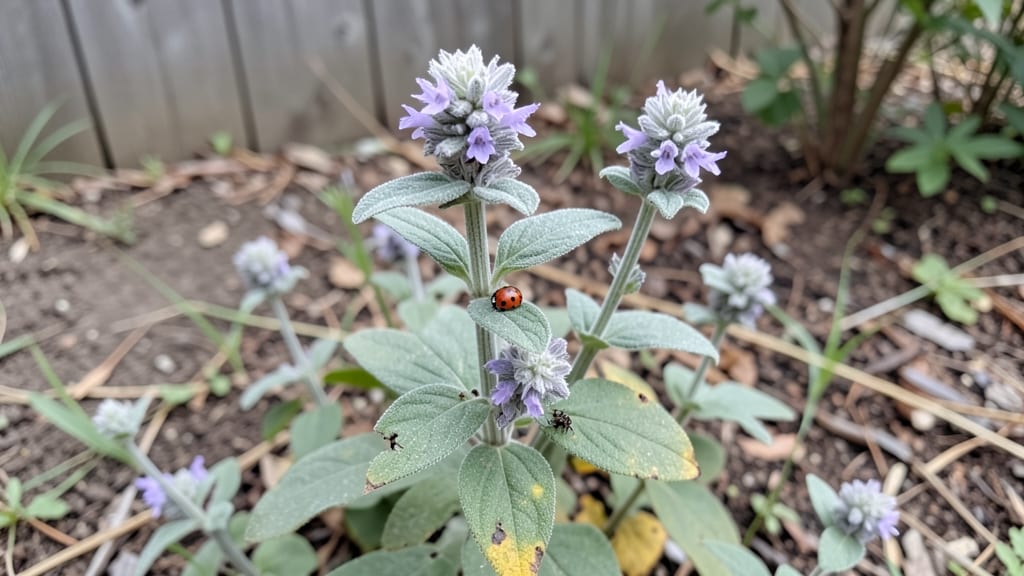
Pest-controlling plants saved my struggling garden last summer when aphids turned my roses into sticky messes. 🌿 Instead of reaching for chemicals, I planted marigolds along the edges and basil near the tomatoes—within weeks, the pests vanished without harming my veggies or pollinators.
The best part? These plants work in multiple ways: some repel insects with strong scents, others attract beneficial predators, and a few even deter larger pests like rabbits.
You can tuck them into borders, interplant them with vulnerable crops, or let them stand alone as living shields around the garden perimeter.
By late summer, my garden thrived with fewer pests and no chemical residue. The key was strategic placement—lavender near walkways kept mosquitoes away, while nasturtiums lured aphids off my brassicas. Even my black thumb couldn’t mess this up.
Just watch for pet-safe varieties and avoid toxic plants like foxglove near children or animals. The results speak for themselves: healthier plants, happier pollinators, and a garden that actually produces food instead of fighting pests.
The Hidden Triggers Behind Pest Attacks
Pests don’t just show up uninvited—they’re drawn to your garden for specific reasons, often tied to the environment, plant health, or even human habits. Understanding these triggers is the first step to using pest-controlling plants effectively.
Below, we break down the science behind why pests invade, so you can strategically place your natural defenses.
Healthy plants naturally repel pests through chemical signals, tough textures, or unappealing flavors. But when plants are stressed, they become easy targets. Here’s why:
- Nutrient Deficiencies: Plants lacking nitrogen, phosphorus, or potassium produce weaker cell walls, making them vulnerable to chewing insects like aphids or beetles. Example: Yellowing leaves (a sign of nitrogen deficiency) can attract sap-sucking pests.
- Water Stress: Overwatering or drought weakens plants, reducing their ability to produce defensive compounds (e.g., tannins or alkaloids). Example: Wilting basil is more prone to spider mites.
- Disease or Damage: Fungal infections or physical harm (e.g., from hail or animals) create entry points for pests. Example: Powdery mildew on roses invites aphids, which feed on the weakened tissue.
Actionable Fix: Regularly fertilize with compost or balanced organic fertilizers, and monitor soil moisture. Strong plants are less appealing to pests!
Pests have keen senses—they’re drawn to plants that smell or taste like a buffet. Some compounds in plants act as chemical invitations:
| Pest | What Attracts Them | How to Counter |
|---|---|---|
| Cabbage Worms | Sulfur compounds in brassicas (cabbage, broccoli) | Interplant with dill or mint, which mask the scent. |
| Aphids | High sugar content in new growth (e.g., roses, beans) | Use garlic or chives nearby—their pungent oils deter them. |
| Squash Bugs | Cucurbitacins in squash and cucumbers (bitter compounds) | Plant nasturtiums as a trap crop—they’re even more attractive. |
Pro Tip:💡 Rotate crops yearly to disrupt pest scent trails and avoid creating a "pest hotspot."
Even the best pest-controlling plants can’t outsmart poor garden practices. Here’s how humans accidentally roll out the welcome mat:
- Overcrowding Plants: Tight spacing reduces airflow, trapping humidity and pests like slugs or fungal gnats. Example: Wet tomato leaves invite blight—and the pests that follow.
- Ignoring Debris: Leaves, mulch, and old plant matter provide hiding spots for overwintering pests (e.g., earwigs, cutworms). Example: A pile of straw mulch near your garden is a cozy bug hotel.
- Monoculture Planting: Growing large blocks of one plant (e.g., a vegetable patch of only tomatoes) creates a pest feast. Example: Colorado potato beetles target entire potato fields.
Quick Fix:🌡️ Mulch sparingly (2–3 inches) and use straw or wood chips that dry out quickly. Space plants to improve airflow!
Pests are opportunists—they time their attacks based on weather and plant cycles. Key triggers include:
- Warm, Humid Conditions: Ideal for soft-bodied pests like aphids and whiteflies, which thrive in temperatures above 75°F (24°C). Example: Sudden heat waves can explode aphid populations overnight.
- Dry Spells: Drought-stressed plants produce more sugars, attracting sap-suckers like mealybugs. Example: Citrus trees in drought become magnets for scale insects.
- Seasonal Emergence: Some pests (e.g., squash vine borers) emerge in sync with host plants’ growth cycles. Example: Borers appear when squash flowers bloom.
Strategic Move:✨ Plant marigolds or basil near heat-loving crops—their strong scents disrupt pest life cycles.
By addressing these root causes, you’re not just reacting to pests—you’re rewriting the rules of your garden’s ecosystem. The next section will show you how to deploy pest-controlling plants like a pro!
Natural Fixes for Common Garden Pests
When pests invade your garden, the last thing you want is to reach for harsh chemicals that harm your plants—or your health. 🌱 The good news? Many plants act as natural pest repellents, and with the right strategies, you can keep your garden thriving without toxic interventions.
Below, we’ll break down common pest problems and the best plant-based solutions to tackle them, along with prevention tips to keep your garden pest-free long-term.
Cause: Ants are drawn to sweet nectar, aphids, and moisture, creating trails that disrupt plant health. Fix:
- Plant marigolds, mint, or lemon balm near entry points—these emit strong scents ants dislike.
- Sprinkle diatomaceous earth (food-grade) lightly around ant trails to dehydrate them naturally.
- Use vinegar spray (1:1 vinegar-water mix) on ant hills to disrupt their scent trails.
Prevention Tip: 💡 Keep your garden free of standing water and fallen fruit, which attract ants. Place small barriers like cinnamon sticks or coffee grounds around plant bases.
Cause: Aphids cluster on tender leaves, draining sap and spreading viruses. Fix:
- Plant garlic, chives, or rosemary nearby—these release sulfur compounds aphids avoid.
- Introduce ladybugs or lacewings, natural aphid predators, by planting dill, fennel, or yarrow to attract them.
- Spray neem oil (mixed with water and a drop of dish soap) directly on infested areas for a quick kill.
Prevention Tip: ✨ Inspect new plants before bringing them indoors—aphids often hitch rides on leaves!
Cause: Stagnant water and high humidity create breeding grounds for mosquitoes. Fix:
- Plant citronella grass, lavender, or basil in pots near seating areas—their scents repel mosquitoes.
- Add a small fountain or moving water feature to prevent standing water where larvae thrive.
- Crush fresh basil leaves and rub them on skin or add to water for a natural repellent.
Prevention Tip: 🌡️ Empty saucers under pots and clean birdbaths weekly to eliminate breeding sites.
Cause: Slugs and snails thrive in damp, shaded areas, munching on young seedlings and leaves. Fix:
- Plant thyme, sage, or wormwood—their strong aromas deter slugs.
- Create copper tape barriers around raised beds (slugs receive a mild electric shock when touching copper).
- Use crushed eggshells or coffee grounds as a natural abrasive around plants.
Prevention Tip: 🔥 Water plants early in the day so soil dries faster, making it less inviting for slugs.
Cause: These tiny beetles chew irregular holes in leaves, stunting plant growth. Fix:
- Interplant radishes or nasturtiums—both repel flea beetles with their strong scent.
- Apply kaolin clay (a natural mineral) as a barrier spray to make leaves less appealing.
- Handpick beetles in the early morning when they’re sluggish and drop them in soapy water.
Prevention Tip: 🎯 Rotate crops yearly to prevent beetle buildup in the soil.
No single plant can solve every pest problem, but a diverse, well-maintained garden reduces vulnerabilities.
Here’s how to stay ahead: - Interplant flowers with veggies (e.g., marigolds with tomatoes) to confuse pests. - Encourage beneficial insects like bees and predatory wasps by planting milkweed, sunflowers, or alyssum. - Mulch with straw or wood chips to deter burrowing pests like cutworms. - Inspect plants weekly for early signs of trouble—catch pests before they spread!
Final Thought: 🌿 The key to pest control isn’t elimination but balance. By strategically placing repellent plants and maintaining garden health, you’ll create a space where pests think twice before crashing the party. Happy gardening!
Frequently asked questions about natural pest control plants
Which plants work best for repelling mosquitoes?
Citronella grass, lavender, and basil are top choices for keeping mosquitoes away. Plant them in pots near seating areas or along garden borders—their strong scents create a natural barrier. For extra protection, crush fresh basil leaves and rub them on skin or add to water for a DIY repellent.
Can pest-repelling plants harm my other garden plants?
Most pest-controlling plants are safe, but some (like mint or wormwood) can be invasive. Plant them in containers or isolated areas to prevent spreading. Always research a plant’s growth habits before adding it to your garden—overcrowding can stress vulnerable crops.
How quickly will I see results after planting pest-repelling plants?
Results vary by pest and plant, but many gardeners notice a difference within 2-4 weeks. For example, marigolds deter aphids almost immediately, while larger plants like rosemary take longer to establish their scent barrier. Consistency in placement is key—don’t expect miracles overnight!
Are these plants safe for pets and children?
Most pest-repelling plants are non-toxic, but always verify before planting. Avoid foxglove (toxic) or pyrethrum chrysanthemums (can cause skin irritation). Safe alternatives include lavender, basil, and marigolds—just keep them out of reach if your pets have a habit of nibbling plants.
What’s the best way to combine pest-repelling plants with my existing garden?
Use the "three P’s" strategy: Perimeter (plant marigolds or lavender along borders), Proximity (place basil near tomatoes), and Pockets (tuck thyme between veggies). This creates layered protection while maintaining your garden’s aesthetic and functionality.