
Planting
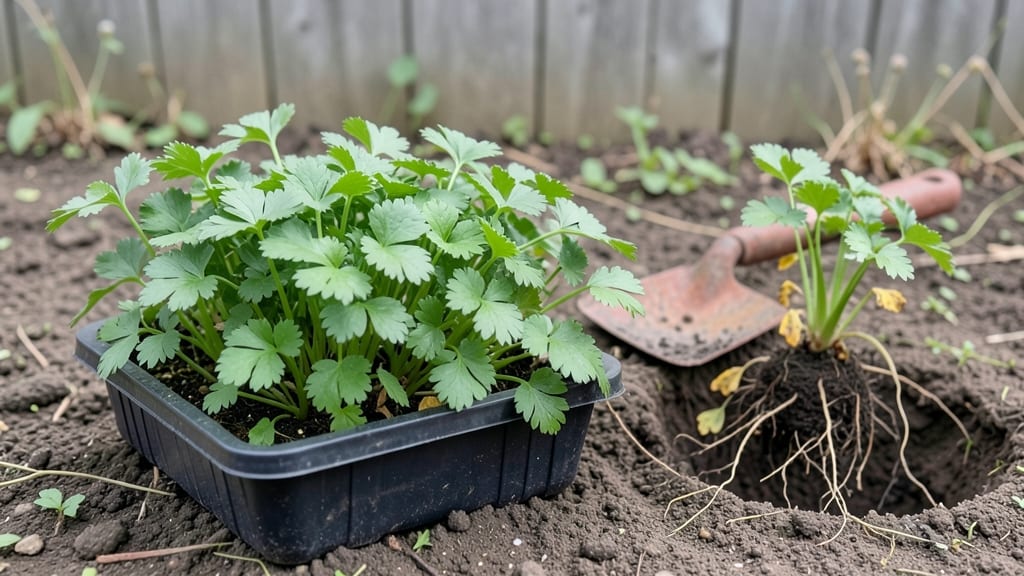
The right parsley planting distance—12–18 inches apart—is the game-changer for those dense, vibrant clumps you crave, and I’ll tell you why cramming seedlings too close backfires. 🌿 I learned the hard way that leggy, sparse plants bolt before they even get tasty.
The right spacing lets roots spread without competing for sunlight or nutrients, giving you thick, flavorful stems all season.
For rows, keep them 18–24 inches apart to allow airflow and easy harvesting. Parsley loves full sun (6+ hours daily) and well-draining soil—amend clay with compost if needed. Plant in early spring or late summer for best results, and avoid overcrowding clusters unless you're growing it strictly for garnishes.
The payoff? A parsley patch that lasts for years with minimal effort.
📚 In This Guide
- What you need
- Instructions
- Tips and common mistakes
- Wrapping up and next steps
What you need
- ● Parsley seeds – Choose between flat-leaf (e.g., Italian) or curly-leaf varieties. Aim for 1 packet (≈ 1,000 seeds) for a small garden or 2–3 packets for larger harvests.
- ● Well-draining potting mix or garden soil – 1–2 cubic yards (for in-ground planting) or 5–10 gallons (for containers). Amend with compost (20–30%) for nutrient-rich soil.
- ○ Containers (optional but handy) – 5–6 inch diameter pots (for 1–2 plants each) or long, shallow trays (12+ inches wide) for closer spacing.
- ● Watering can or hose with a gentle spray nozzle – Keep soil evenly moist (not soggy!) during germination.
- ○ Garden twine or stakes (optional) – Useful for marking parsley planting distance rows (e.g., 6–12 inches apart for bushy growth).
- ● Fertilizer (balanced or herb-specific) – 5–10–10 or 10–10–10 NPK ratio, applied every 4–6 weeks.
- ● Mulch (straw or shredded leaves) – 1–2 inches thick to retain moisture and suppress weeds.
- ● Sunlight: 6+ hours of full sun daily (parsley thrives in bright, open spaces!).
- ● Climate: Plant after last frost date (parsley is cold-hardy but dislikes frost). Ideal temps: 50–75°F.
- ● pH Level: Aim for 6.0–7.0 (slightly acidic to neutral). Test soil if unsure!
- ● Spacious layout: Plan for 12–18 inches between rows (or 6–12 inches apart in containers) to allow airflow and prevent overcrowding.
How to space parsley for full, fluffy growth
Parsley thrives when given room to spread—here’s how to plant it for maximum yield and bushiness.
🌱 Step 1: Prepare the Soil and Planting Site
Parsley grows best in well-draining soil with a slightly acidic to neutral pH (around 6.0-7.0). Loosen the top 6 inches of soil with a garden fork or tiller to break up compacted areas. Mix in a 2-inch layer of compost to improve fertility and drainage. Avoid fresh manure—it can burn young seedlings.
Choose a location with partial shade to full sun (at least 4-6 hours of sunlight daily). Too much direct sun, especially in hot climates, can cause parsley to bolt (flower prematurely). If your area gets intense afternoon sun, plant near taller vegetables or shrubs that provide dappled shade.
🌿 Step 2: Plant Seeds at the Right Depth and Spacing
Parsley seeds are tiny, so I like to pre-mix them with fine sand to make them easier to handle. Plant seeds ¼ inch deep in rows or clusters. For bushy growth, space seeds ½ inch apart in all directions. This close spacing encourages the plants to fill in quickly and develop a dense, leafy structure.
If you’re planting multiple rows, space them 12-18 inches apart to allow for airflow and easy harvesting. Thin seedlings to the strongest 3-4 inches apart once they develop 2-3 true leaves. This prevents overcrowding and reduces competition for nutrients.
☀️ Step 3: Water and Maintain Moisture for Healthy Growth
Keep the soil consistently moist but not soggy after planting. Water deeply once a week, providing about 1 inch of water total. Use a soaker hose or drip irrigation to deliver water at the base of the plants—this prevents wetting the leaves, which can lead to fungal diseases like mildew.
Parsley has a deep taproot, so mulch around the plants with 2 inches of straw or shredded leaves to retain moisture and suppress weeds. Avoid piling mulch directly against the stems to prevent rot. You’ll know your parsley is happy when the leaves stay vibrant green and the stems feel sturdy when gently pinched.
✂️ Step 4: Prune for Bushier Growth and Continuous Harvest
To encourage parsley to grow fuller and bushier, pinch back the top sets of leaves when the plants reach about 6 inches tall. This redirects energy to side shoots, creating a denser plant. Use clean, sharp scissors or your fingers to snip just above a set of leaves where new growth is emerging.
Harvest outer leaves regularly to promote continuous growth. Avoid cutting more than one-third of the plant at a time—this prevents stress and ensures a steady supply of fresh parsley. If your parsley starts to flower, cut the stems back to the base to encourage leafy regrowth. With proper spacing and care, your parsley will stay lush and productive for months.
Tips & tricks for perfect parsley planting
Took me a while to figure out these spacing secrets—here's how to grow parsley that looks like it came from a garden center.
Spacing Secret: The ½-inch spacing between seeds in Step 2 might seem tight, but trust me on this—it's perfect for bushy growth. When seedlings reach 2-3 true leaves, thin to 3-4 inches apart as instructed. This prevents overcrowding and allows each plant to develop a full, rounded shape instead of stretching toward sunlight.
Light Management: That 4-6 hours of sunlight daily in Step 1 is non-negotiable for parsley. Too much direct sun causes bolting (flowering), which turns your parsley bitter and woody. If your garden gets intense afternoon sun, plant near taller vegetables like tomatoes or basil that provide natural shade during peak heat hours.
Soil Prep Pro Tip: Don't skip that 6-inch soil loosening in Step 1—parsley has a deep taproot that needs room to grow. I like to add a handful of perlite to the 2-inch compost layer for even better drainage, especially if you have clay soil. This helps prevent waterlogging, which can rot those delicate roots.
Pruning Strategy: When you pinch back the top sets of leaves at 6 inches tall in Step 4, you're not just shaping the plant—you're telling it to grow wider. This technique creates those lush, full parsley bushes you see in grocery stores. Just make sure to use clean scissors or your fingers to avoid spreading disease between plants.
Pro Tips for Parsley Planting Distance
- Took me a while to figure out these spacing secrets—here's how to grow parsley that looks like it came from a garden center.
- Spacing Secret: The ½-inch spacing between seeds in Step 2 might seem tight, but trust me on this—it's perfect for bushy growth.
- Light Management: That 4-6 hours of sunlight daily in Step 1 is non-negotiable for parsley.
Frequently asked questions
Got questions about parsley planting distance?
You’re not alone! Here are some of the most common queries—plus quick, practical answers to help you grow lush, thriving parsley every time.
What’s the ideal parsley planting distance for flat-leaf vs. curly parsley?
Flat-leaf parsley thrives with 6–12 inches apart in rows spaced 12–18 inches apart. Curly parsley, which grows bushier, can be planted slightly closer—4–8 inches apart—since its compact habit reduces competition. Either way, leave extra space if you’re growing in containers!
Can I plant parsley too close together? What happens if I do?
Yes, but expect stunted growth, poor airflow, and increased disease risk (like powdery mildew). Crowded parsley competes for nutrients and light, resulting in sparse, leggy plants. Thin seedlings to the recommended spacing ASAP—it’s worth the effort for bushy, flavorful stems!
Does parsley planting distance change based on climate (hot vs. cool)?
In hot climates, space parsley slightly wider (up to 12 inches apart) to improve airflow and reduce stress. In cool or humid areas, stick to the standard 6–8 inches—parsley handles moisture better but still needs room to dry between leaves. Mulch helps regulate soil temp!
Can I interplant parsley with other herbs or veggies?
Parsley pairs well with carrots, tomatoes, asparagus, and peppers—its shallow roots won’t compete aggressively. Avoid planting near celery or fennel (they’re in the same family and can cross-pollinate). For containers, mix it with basil or lettuce for a compact, aromatic combo.
My parsley looks sparse—how can I fix overcrowding after planting?
If your parsley is already too close, thin it gradually by snipping off excess seedlings at the base (don’t pull—they’ll disturb roots). For stubborn crowds, divide mature plants in early spring by digging up clumps, separating roots, and replanting with proper spacing. Patience pays off—healthy parsley rewards you with bold flavor!
Wrapping up and next steps
Mastering the parsley planting distance is your secret weapon for lush, thriving herbs! Whether you’re growing flat-leaf or curly parsley, proper spacing ensures strong roots, vibrant foliage, and fewer pests.
With the right tools and techniques, you’re well on your way to a bountiful harvest—so get out there and plant with confidence!
Next steps:
- Mark your garden beds with stakes or a simple string line.
- Plant your seeds or seedlings at the ideal distance (6–12 inches apart).
- Water gently and watch your parsley flourish!