
How To
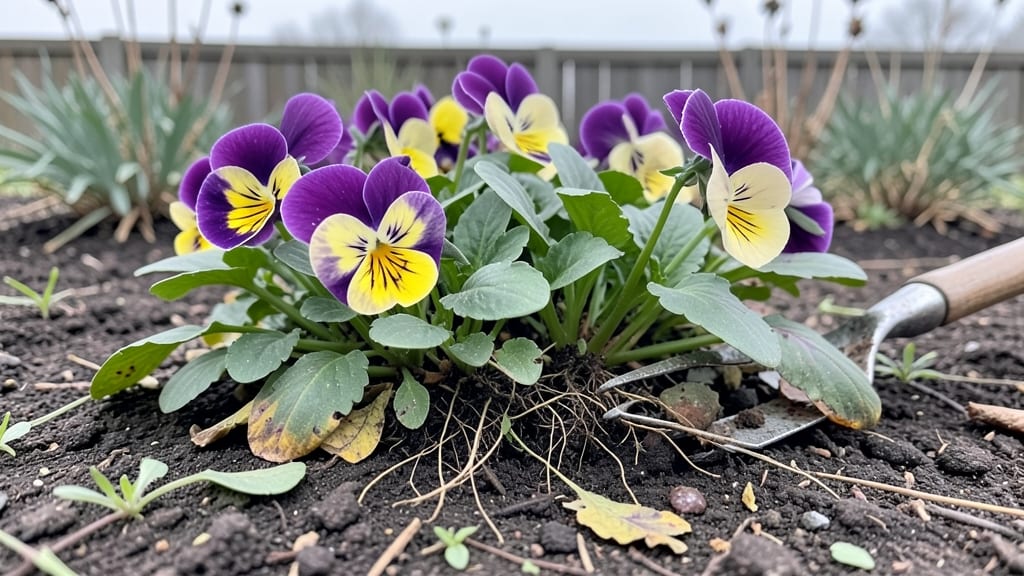
Perfect pansy planting distance turns a patch of dirt into a nonstop 🌸 show—if you get it right.
Struggling to create vibrant pansy blooms that last all season? The secret isn’t just in the soil—it’s in the spacing. Plant pansies too close, and you’ll choke their growth; too far apart, and your garden will look sparse.
Here’s how to master the perfect spacing for lush, continuous color that keeps coming back.
Most gardeners assume 8-12 inches works for everything, but that’s not always true. Dwarf varieties need half the room, while giant pansies thrive with extra elbow space. Even your soil type plays a role—clay holds moisture longer, so you might need to adjust spacing to prevent rot.
Below, I break down the exact distances for borders, containers, and hanging baskets, plus how to fix overcrowded patches without losing a single bloom. Ready to turn your garden into a year-round rainbow?
Optimal pansy planting distance by variety and garden type
Pansies are one of my favorite cool-season flowers because they thrive in both spring and fall, but their planting distance can make or break your garden’s visual impact. Too close, and you’ll smother their growth; too far apart, and your garden will look patchy.
The right spacing ensures abundant blooms, better airflow, and fewer pests. Let’s dive into the specifics for dwarf, standard, and giant pansies in different garden settings.
Most gardeners focus on soil and sunlight, but proper spacing is just as critical. For example, dwarf pansies in containers need tight spacing, while giant varieties in borders require more room.
Even the way you arrange them—whether in mass plantings, edge borders, or hanging baskets—changes the ideal distance. Let’s break it down by variety and garden type so you can plan your year-round color clusters like a pro.
| Variety | Garden Type | Spacing (inches) | Bloom Density | Notes |
|---|---|---|---|---|
| Dwarf Pansies | Containers (6" pots) | 3-4" | High | Ideal for window boxes and hanging baskets. |
| Dwarf Pansies | Borders/Edges | 6-8" | Very High | Perfect for edge planting and rock gardens. |
| Standard Pansies | Borders/Mass Planting | 8-10" | Moderate-High | Best for color blocks and mixed borders. |
| Standard Pansies | Hanging Baskets | 4-6" | High | Use trailing varieties for cascading effect. |
| Giant Pansies | Borders/Focal Points | 12-15" | Moderate | Great for specimen planting and cut flowers. |
| Giant Pansies | Succession Planting | 10-12" | High (over time) | Plant in staggered rows for continuous blooms. |
For dwarf pansies, I recommend a 3-4 inch spacing in containers to maximize their compact growth. In borders or edges, stretch that to 6-8 inches so they don’t compete for nutrients.
These little powerhouses pack a punch, so tight spacing works—just avoid overcrowding in well-draining soil to prevent root rot.
When planting standard pansies in borders, aim for 8-10 inches between plants. This spacing allows them to spread naturally while creating a dense, colorful carpet of blooms. For hanging baskets, reduce the distance to 4-6 inches to encourage trailing and cascading.
If you’re using them in mass plantings, consider a checkerboard pattern to blend colors seamlessly.
Giant pansies are the showstoppers of the group, so give them room to shine. In borders or as focal points, space them 12-15 inches apart. This ensures their large blooms stand out without overpowering nearby plants. If you’re practicing succession planting for extended color, plant them in staggered rows with 10-12 inches between plants. This way, as the first batch fades, the next wave of blooms takes over.
Pro tip: If you’re
Common pansy spacing mistakes and how to fix them
Pansies are resilient, but even these hardy flowers struggle when spacing goes wrong. I’ve seen overcrowded patches where plants compete for nutrients, and sparse arrangements that look more like a science experiment than a garden.
The key is finding that sweet spot where airflow circulates, roots expand freely, and blooms thrive without fighting for space.
One of the biggest mistakes is assuming "closer is better" for a lush look. While mass planting can create stunning visuals, cramming pansies too tightly invites disease and pests.
On the flip side, spacing them too far apart wastes garden real estate and leaves gaps that weeds or other plants can easily fill. Let’s fix these common errors with practical solutions.
⚠️
Start by assessing your existing pansy patches. If plants are touching leaves or stems are intertwined, they’re too close. Use a ruler or tape measure to check the distance between centers—8-12 inches is ideal for most varieties.
For dwarf pansies, you can reduce spacing to 6-8 inches, but avoid going below that unless you’re using them as edging plants.
To fix overcrowded areas, gently transplant excess plants to another spot in your garden or share them with fellow gardeners. Dig carefully to preserve root systems, and water thoroughly after replanting.
If you’re dealing with a container garden, consider thinning out weaker plants to give the remaining ones more room to flourish. A 5-gallon pot can comfortably hold 3-4 pansies spaced evenly.
For uneven growth, focus on the soil quality and sunlight exposure. Pansies in shadier spots may stretch toward light, creating a leggy appearance. If you notice this, try pruning the leggy stems just above a leaf node to encourage bushier growth.
Additionally, ensure all plants receive consistent watering—uneven moisture can lead to stunted growth on one side of your garden bed.
Prevent future spacing issues by planning ahead. Sketch a simple garden layout before planting, marking the ideal spacing for each variety. Use mulch to suppress weeds and retain moisture, which helps maintain even growth.
If you’re planting pansies as a border, stagger them slightly to create a natural, flowing look rather than a rigid grid.
With the right spacing, your pansies will reward you with vibrant blooms all season long. Remember, the goal is balance—enough space for each plant to thrive without leaving your garden looking sparse or neglected. Happy planting! 🌸